
PIEMONTE
Stellantis extends Turin Fiat 500 shutdown as supplier shortages bite
Parts delays force extra week of downtime at Mirafiori plant, signalling supply-chain stress across European automotive
Lorenzo Ferraris381 wordsEdition №34Friday, 3 July 2026 — Edition № 34
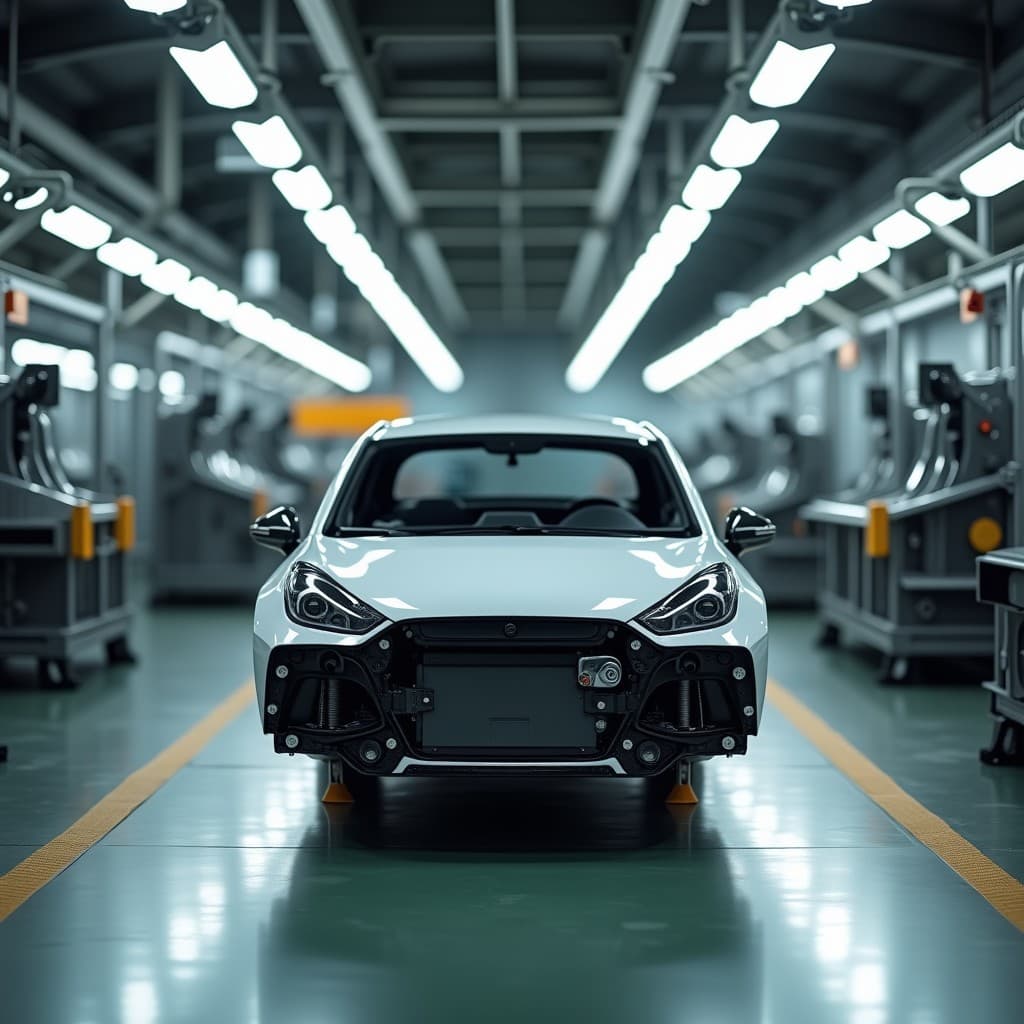
Stellantis has extended its summer production stoppage at the Fiat 500 factory in Turin by one week, citing supply delays from component makers, Reuters reported on June 29. The move comes as the Italian carmaker navigates a tightening supply chain across Europe, where parts availability has emerged as a recurring constraint on output. The FIM Cisl trade union confirmed the additional downtime at the Mirafiori plant, a flagship Stellantis facility in the Piedmontese capital.
The Turin shutdown reflects broader pressures facing European automotive manufacturing. Stellantis, formed from the 2021 merger of Fiat Chrysler and France's PSA, has faced repeated production challenges across its Italian and European plants as suppliers struggle with their own capacity and logistics. The Fiat 500, a volume model that anchors Stellantis's European compact-car portfolio, is particularly sensitive to supply disruptions; any halt in its line reduces cash flow from a core revenue stream.
The extended stoppage underscores the fragility of just-in-time manufacturing in an era of supply-chain volatility. European automotive firms have worked to shorten downtime since the semiconductor shortages of 2021–2022, but component availability remains uneven. Stellantis did not specify which suppliers or parts were affected, according to Reuters, but the pattern mirrors delays reported across the sector when logistics, raw-material costs or labour constraints in Eastern European supply bases disrupt the flow of components to Western European assembly lines.
For Turin and the Piedmontese economy, the shutdown carries weight. The Mirafiori plant employs thousands of workers directly and supports a dense network of local parts makers and logistics firms. Extended summer stoppages, while standard in Italian manufacturing, can compress cash flow and strain the finances of smaller suppliers who depend on steady component sales to carmakers. The broader context—China's EV surge forcing Stellantis to shelve its South African factory plans, and competition from lower-cost Chinese rivals reshaping global automotive competition—adds pressure on European volume producers to maintain efficiency and cost control.
The Turin facility has undergone significant investment in recent years to produce hybrid and electric versions of the Fiat 500, positioning it as a centre for Stellantis's transition to electrified powertrains. Supply delays that interrupt that production run risk disrupting the carmaker's ability to meet demand for the hybrid 500 in European markets, where the model competes with rivals from Toyota, Hyundai and other makers increasingly offering affordable electrified options. Reuters did not report when the extended shutdown would conclude or whether further delays were anticipated.