
PUGLIA
Fourteen regions brace for storms as Italy's deadly heatwave finally breaks
Extreme heat that gripped the nation for weeks gives way to severe weather, but relief comes with risk
Francesca Lazzari378 wordsEdition №33Thursday, 2 July 2026 — Edition № 33
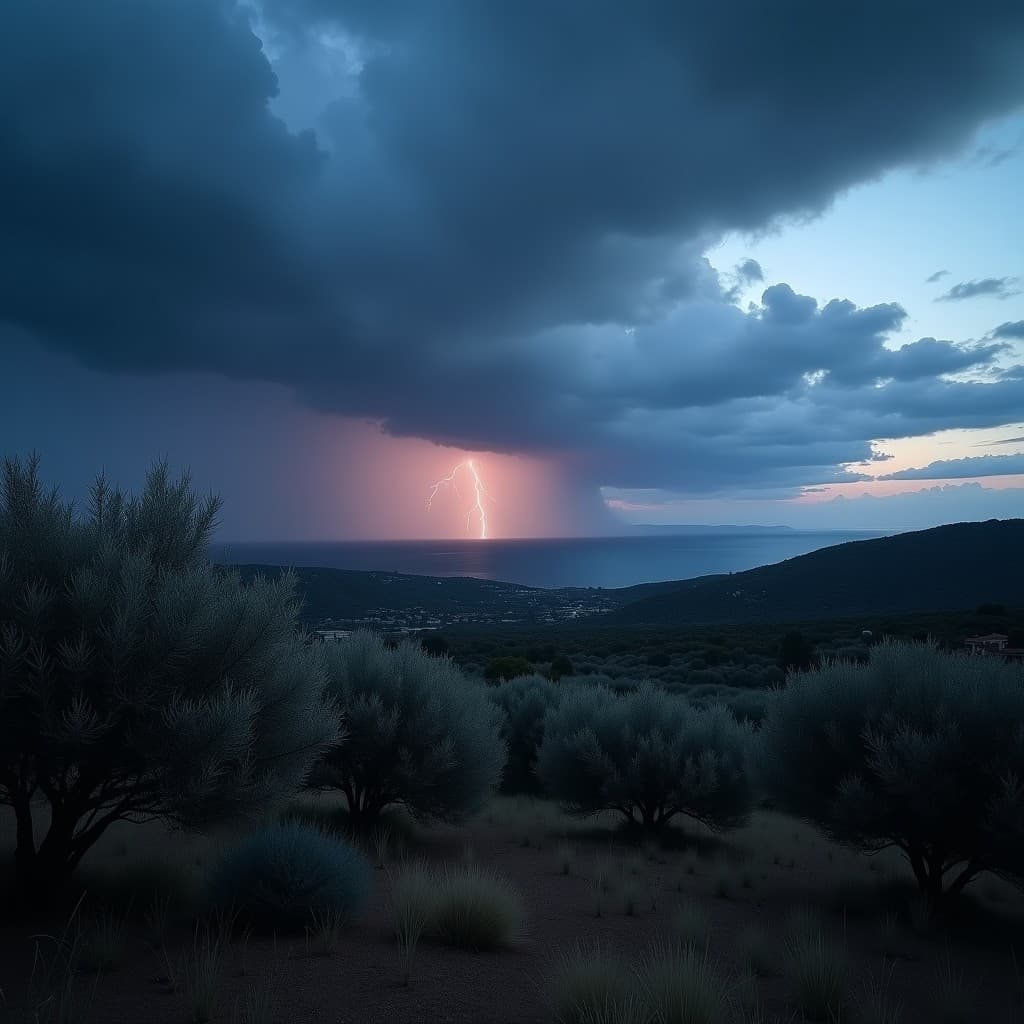
The Local Italy reported Wednesday that fourteen Italian regions are under storm alerts as forecasters signal an imminent break in the heatwave that has gripped the nation. The shift marks a turning point after weeks of dangerous heat that pushed temperatures toward 40 degrees Celsius in major cities and strained infrastructure, water supplies, and public health systems across the peninsula.
For Puglia, the storm alerts carry particular weight. The region has endured the Mediterranean's most intense heat stress, with agriculture and tourism both vulnerable to extreme swings in weather. Olive groves, already weakened by xylella disease in parts of Salento, face additional stress from rapid temperature shifts. The agricultural calendar—harvest timing, irrigation schedules, pest management—depends on predictable seasonal patterns; violent storms can damage crops and disrupt logistics.
The timing is critical for the region's summer economy. Tourism peaks in July, and severe storms could deter visitors or disrupt coastal activities and port operations in Bari and Brindisi. Local authorities will need to manage both the immediate hazard of storms and the longer-term question of whether relief from heat brings lasting respite or merely a brief interlude before conditions intensify again.
The Local Italy noted that forecasters expect the heatwave to ease from Wednesday onward, though the transition will be turbulent. Southern regions, including Puglia, face the highest risk of severe storms as cooler air masses collide with residual heat. Lightning, hail, and flash flooding pose risks to infrastructure—particularly in areas where drainage systems have been taxed by months of drought.
Puglia's water crisis has been acute. The Taranto steelworks, which requires enormous quantities of cooling water, has operated under strain. Agricultural irrigation in the Salento peninsula, where olive oil production is concentrated, has competed with municipal supplies. Storms could replenish reservoirs, but only if rainfall is distributed evenly; localized downpours often cause flooding without addressing underlying deficits.
The broader pattern reflects climate volatility that Europe is experiencing with increasing frequency. The Guardian's recent coverage of smaller nations' climate efforts highlighted how Mediterranean countries bear disproportionate risk from extreme weather, even as their emissions remain modest. For Puglia, the cycle of heat and storms illustrates the region's exposure to climatic instability—a challenge that will shape agricultural viability, tourism reliability, and infrastructure investment for years to come.