
CULTURA
Tarot's artistic journey from 15th-century Italy to modern divination
A new exhibition traces how playing cards became tools of mysticism and art
Eleonora Vanzetti312 wordsEdition №32Wednesday, 1 July 2026 — Edition № 32
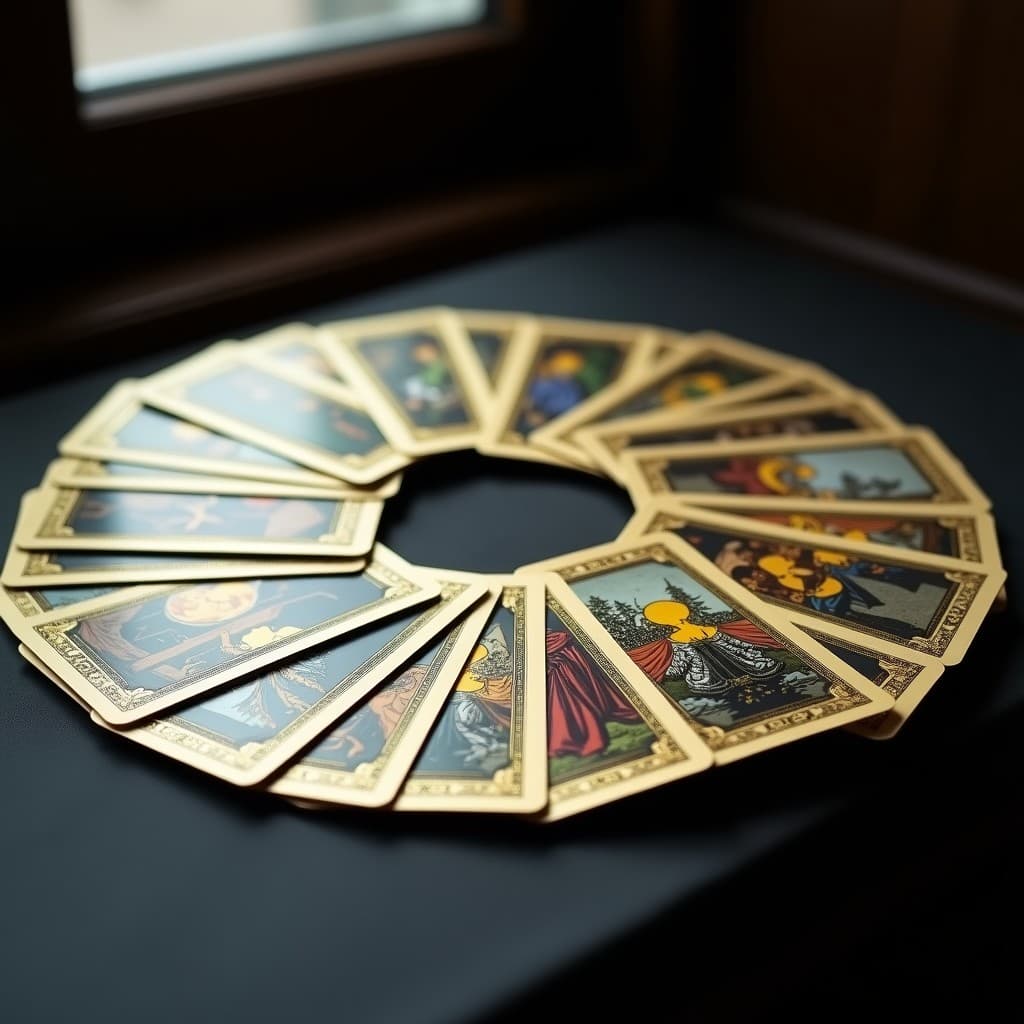
The Guardian reported this week on a new exhibition that traces tarot's unlikely artistic history, beginning with its emergence in 15th-century Italy as a card game before its transformation into a tool of divination and creative expression. The show charts the path from that early Italian origin through centuries of artistic reinterpretation, culminating in its modern association with mysticism and bohemian culture.
Among the figures central to tarot's artistic elevation was Pamela Colman Smith, an illustrator whose work on the cards won the admiration of photographer Alfred Stieglitz and brought her into the circle of William Butler Yeats. Her designs helped establish tarot as a vehicle for artistic vision rather than mere fortune-telling, demonstrating how a commercial product born in Renaissance workshops could become a canvas for serious creative practice.
The exhibition, according to the Guardian, positions tarot within a broader history of Italian cultural export—a narrative that extends beyond the cards themselves to encompass the aesthetic principles and artistic ambitions they embody. Italy's role as the birthplace of tarot sits alongside its later dominance in visual culture, design, and the decorative arts, all subjects that shape how the international press frames Italian soft power.
The story reflects a recurring theme in foreign coverage of Italian culture: the longevity and reinvention of forms that originate in the Italian peninsula. Tarot cards, like Renaissance painting or Venetian glass, demonstrate how Italian-born aesthetic traditions absorb influence and meaning across centuries and continents, becoming tools for artists and mystics far removed from their original context. The exhibition invites viewers to trace that genealogy, seeing in tarot not merely a game or superstition but a document of how artistic practice migrates and transforms.