
OPINION
The Ground Beneath Us
Editorial Board407 wordsEdition №66Monday, 3 August 2026 — Edition № 66
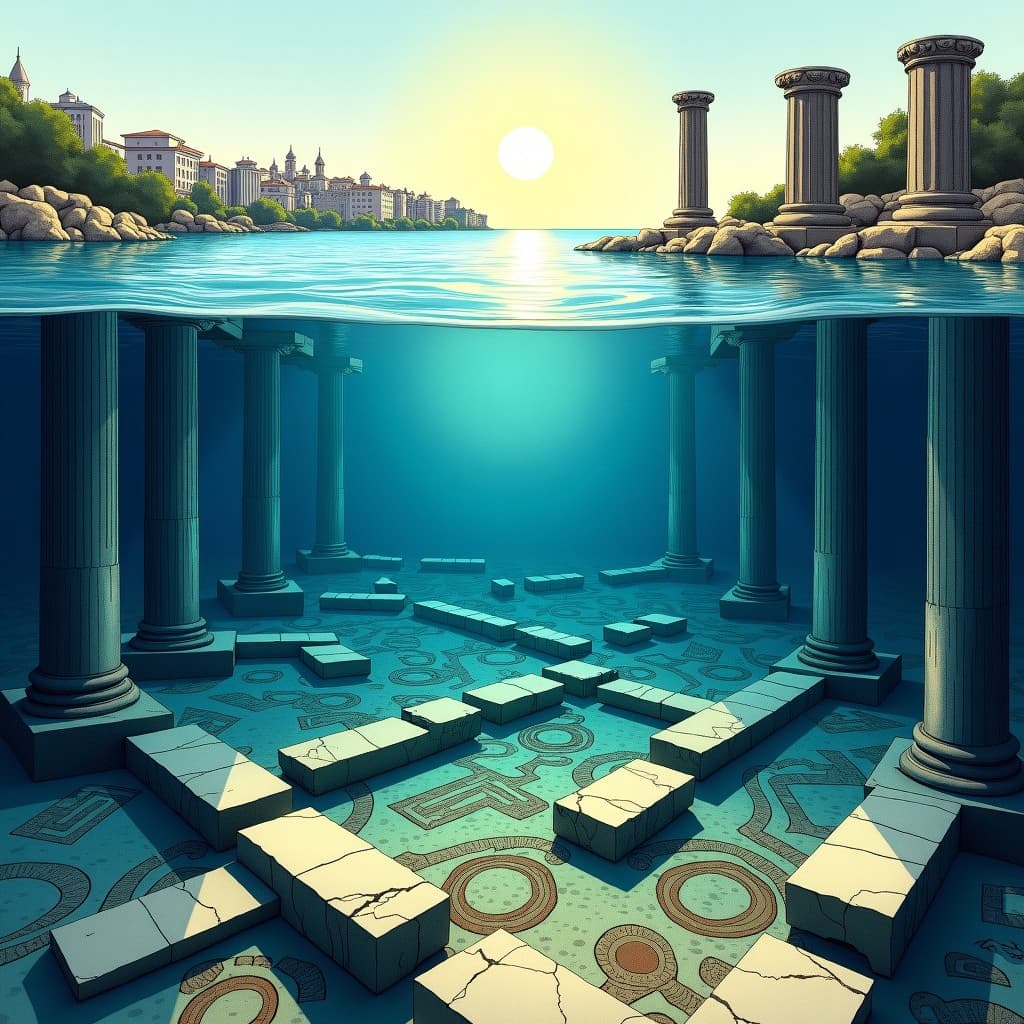
Two stories from the past week, seemingly unrelated, converge in our pages. The first is the earthquake that struck near Naples, a 4.7-magnitude tremor that injured dozens and forced hundreds to evacuate, as The Guardian reported. The second is the slow, patient work of archaeologists at Baiae, the submerged Roman city west of Naples, which France 24 recently visited. One is a sudden rupture; the other, a gradual sinking. Together, they speak of a land that is never still.
The Campi Flegrei, the volcanic field that cradles Pozzuoli and Baiae, is a landscape of both creation and destruction. The Romans built their thermal baths there, drawn by the same subterranean forces that now threaten them. The ground that once rose to accommodate their villas has since subsided, swallowing an entire city beneath the sea. The earthquake this week is a reminder that this process is not merely historical; it is ongoing, and it is measured in human terms of injury and displacement.
The international coverage of the quake has focused on the immediate toll, the evacuations, the injured. But we would draw attention to a longer view. Italy's heritage, the very stones that draw millions of visitors each year, is not a static inheritance. It is a living, shifting thing, subject to the same geological forces that created it. The archaeologists at Baiae work to preserve what the sea has claimed; the residents of Pozzuoli work to rebuild what the earth has shaken. Both are acts of care, and both are precarious.
The world often sees Italy as a museum, a place of fixed beauty and ancient permanence. The events of this week tell a different story. The ground moves, the water rises, and the people who live among these monuments must adapt or be displaced. It is a lesson that extends beyond geology. A nation's identity, like its terrain, is not a given; it is a continuous negotiation with forces beyond its control.
We do not offer easy consolation. The earthquake and the submerged city are not metaphors to be neatly resolved. They are realities that demand a response, from engineers and historians alike. But we note that the same forces that unsettle the ground also enrich it, that the volcanic soil that trembles is the same soil that has sustained life here for millennia. To live in such a place is to accept a bargain with the earth, and to hope that the balance holds.