
OPINION
When a ruler chooses to skin rather than shear
Editorial Board364 wordsEdition №25Wednesday, 24 June 2026 — Edition № 25
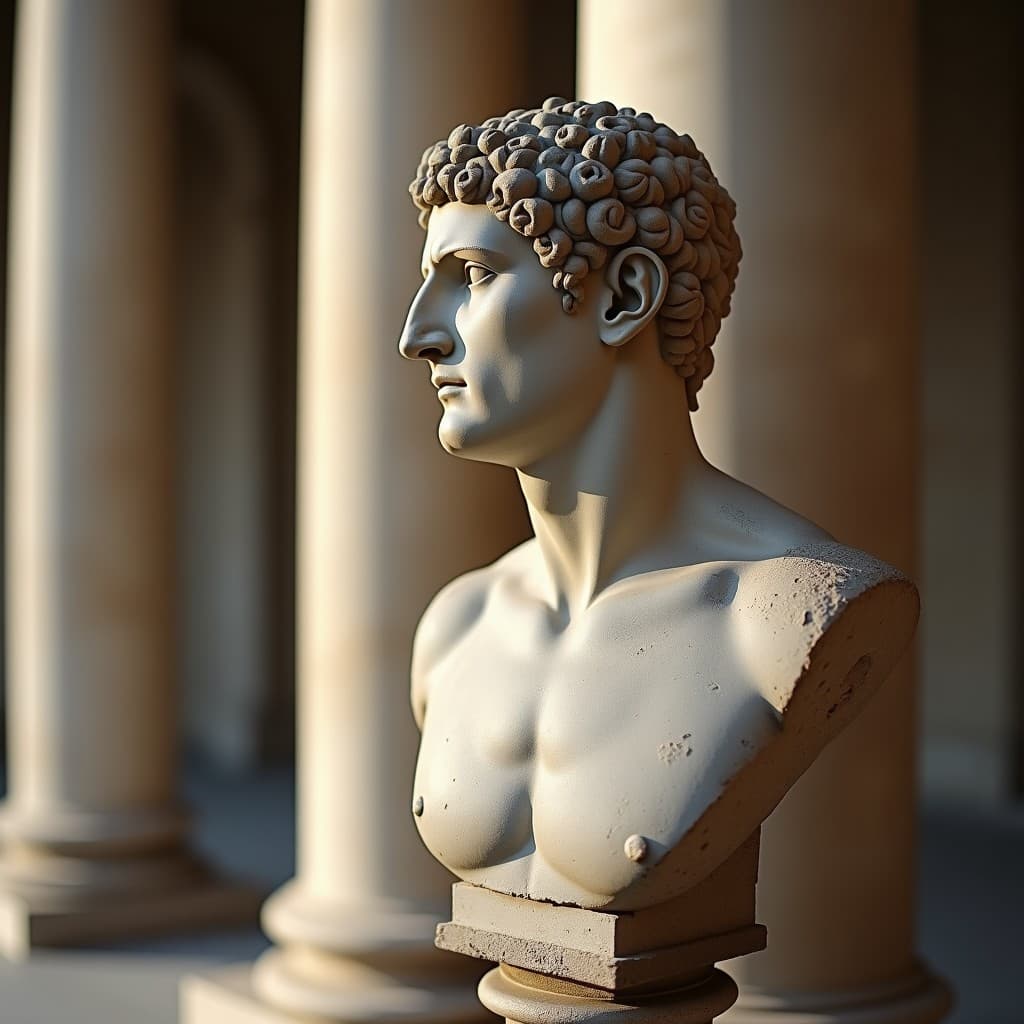
Project Syndicate this week revived an old Roman aphorism: the choice between shearing sheep year after year—extracting tax from productive activity—or skinning them alive once, for immediate gain. The distinction matters because it separates sustainable rule from predatory seizure. When a government uses its apparatus not to govern but to enrich those who control it, the social contract frays. Italy has watched this dynamic play out across centuries and continents, and the foreign press's invocation of Tiberius suggests the world is asking whether democratic states can still distinguish between the two.
The Italian state itself has long grappled with the tension between extraction and investment. A debt-to-GDP ratio among the highest in the eurozone means Rome cannot afford to squander legitimacy on the perception of pillage. When citizens lose faith that their taxes fund the common good—schools, roads, courts—rather than private enrichment, tax compliance falls, the informal economy swells, and the state's fiscal position worsens. The cycle is self-reinforcing and, once begun, difficult to reverse. Italy's experience suggests that a ruler who chooses the knife does not merely impoverish the country; he poisons the very idea of public obligation.
What makes the classical metaphor apt is its recognition that predatory governance is ultimately self-defeating. A state that skins its sheep cannot shear them next year. It must find new sheep, or new methods of extraction—or it collapses. The world's press, in reaching for Tiberius, is asking whether the American republic has begun this descent. For Italy, the question carries weight. A weakened or delegitimised United States affects the Atlantic alliance, the eurozone's security, and the balance of power in the Mediterranean. We watch not as distant observers but as a country whose own stability depends on the stability of the wider order.
The editorialist's point is not that all taxation is legitimate or that all governments are equally trustworthy. It is simpler: that a state which openly uses its power to enrich the few at the expense of the many has abandoned the pretence of rule. It has chosen the knife. History suggests that such choices do not end well—not for the ruler, and not for those who depend on the order he disrupts.