
REGIONAL
Italian towns crack down on tourists as summer unruliness spreads
Mountain resorts join coastal hotspots imposing dress codes and behaviour rules as over-tourism strains local tolerance
Klara Hofer410 wordsEdition №44Monday, 13 July 2026 — Edition № 44
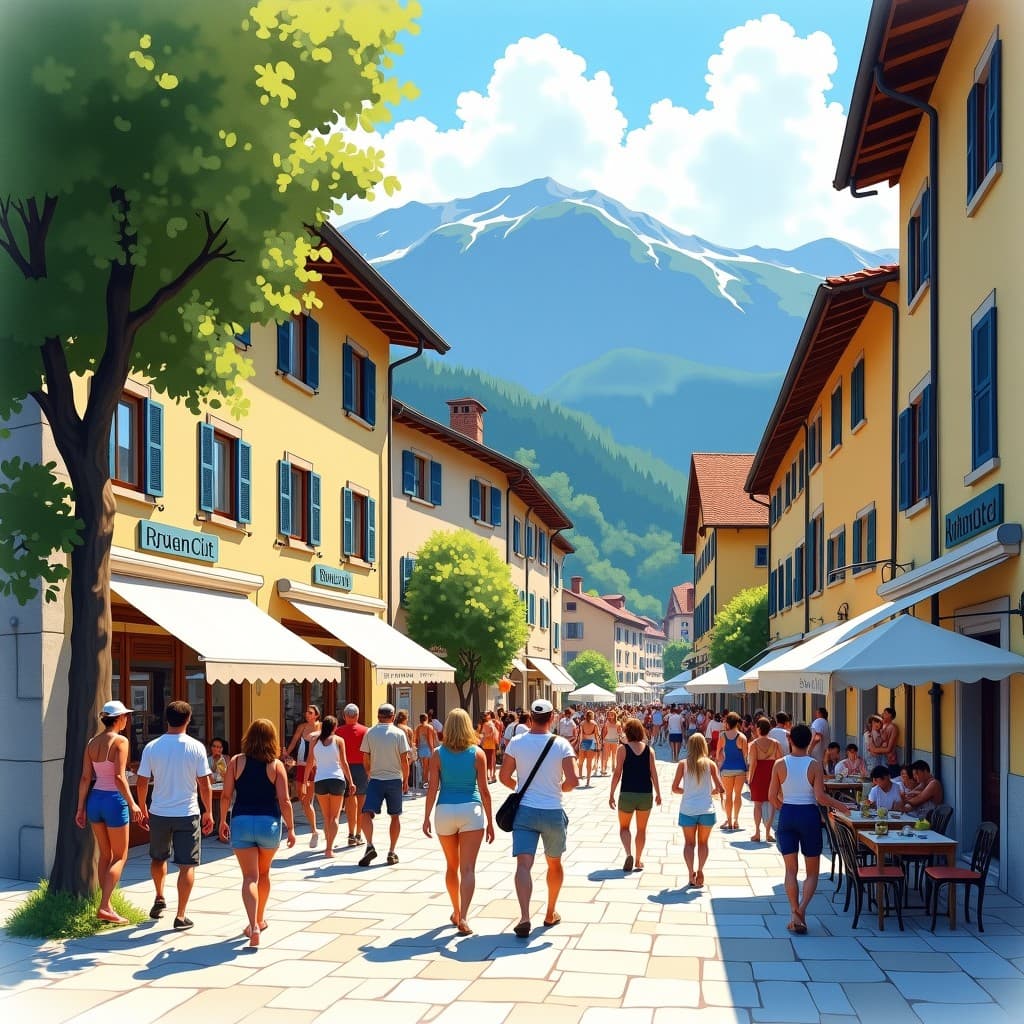
A growing number of towns across Italy are taking aim at unruly tourists, with more local authorities than ever imposing rules on attire and behaviour this summer, according to The Local Italy. The crackdown, which began in coastal and urban centres, is now spreading to Alpine and mountain destinations, where summer visitor numbers have climbed sharply in recent years as international travel to Italy has rebounded.
Trentino-Alto Adige has not yet announced formal dress codes or behaviour ordinances, but the region's major resorts—Merano, the Dolomite valleys, and lakeside towns around Lake Garda—have seen record booking numbers and rising complaints from residents about noise, littering, and disrespect for local customs. The tension mirrors patterns documented by The Local Italy in Venice, Florence, and other over-touristed destinations, where local governments have begun restricting visitor access and imposing fines for inappropriate conduct.
The regional tourism board in Bolzano has historically marketed Trentino-Alto Adige as a high-value, low-volume destination, emphasizing outdoor recreation and cultural heritage over mass tourism. But rising international demand and competitive pressure from other Alpine regions have pushed visitor numbers upward, straining mountain communities that rely on tourism revenue but fear losing character and quality of life to the volume and behaviour of summer crowds.
The summer 2026 season has seen particular friction. The Local Italy reported that Italian towns are increasingly issuing warnings to tourists about dress codes—particularly prohibiting beachwear and revealing clothing in town centres and religious spaces—and imposing fines for public intoxication, noise after hours, and disrespect to monuments. Some municipalities have begun turning away visitors deemed unsuitably dressed or unruly.
In Trentino, the issue is less acute than in Venice or Rome, but local mayors and tourism officials are watching closely. The region's autonomy gives it authority over tourism regulation and local ordinances, and several valley communities have begun discussing whether to adopt similar rules. The Dolomites attract serious hikers and families, but summer crowds now include larger numbers of younger tourists seeking nightlife and Instagram-friendly backdrops, creating friction with the region's quieter outdoor-recreation culture.
The broader pattern suggests a turning point in European tourism. As The Local Italy noted, residents in major destinations are losing patience with the economic benefits of mass tourism when they come at the cost of livability, environmental damage, and cultural erosion. For Trentino, which has built its brand on quality and sustainability, the question is how to grow revenue without surrendering the Alpine character and mountain ecology that make the region distinctive. A formal behaviour code, if adopted, would signal that the region intends to defend its identity even at the cost of visitor volume.