
REGIONAL
Trieste eyes Balkan gateway as EU expands eastern trade routes
Single permit rule enforcement opens logistics opportunity for Italy's northeastern port amid EU legal push on member states
Sergio Madrussan362 wordsEdition №51Monday, 20 July 2026 — Edition № 51
The European Commission launched legal action this week against 17 member states over the implementation of the new single permit directive, which combines work and residence permits for non-EU nationals into a unified procedure. According to reporting from The Local, the enforcement action targets countries failing to apply the rules correctly, creating administrative friction that could redirect trade and labour flows toward more compliant ports and border crossings.
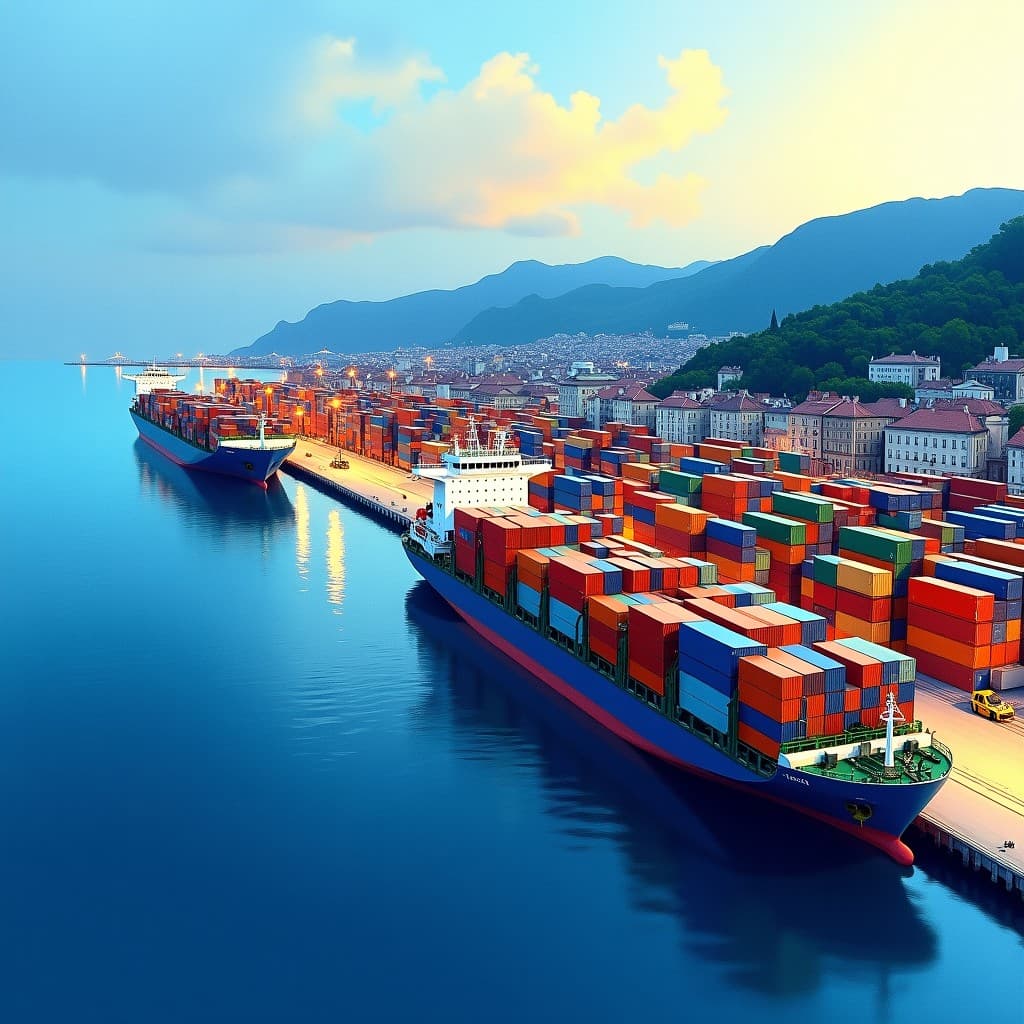
For Trieste, the region's primary maritime and logistics hub, the timing offers a strategic advantage. The port already serves as Italy's main gateway to the Balkans and Central Europe, with established infrastructure for containerised cargo and customs processing. A clearer, faster single-permit regime could accelerate the movement of third-country workers and goods through northeastern Italy, strengthening Trieste's position in the pan-European supply chain that connects the Mediterranean to Vienna, Budapest and beyond.
The single permit directive, introduced to streamline bureaucracy for employers and migrants alike, has faced uneven adoption across the EU. The Commission's legal action signals frustration with member states that have dragged implementation or created workarounds that fragment the labour market. For a region like Friuli-Venezia Giulia, which depends on cross-border mobility and serves as a physical and administrative bridge between Italy and the Balkans, this enforcement matters directly.
Trieste's port authority and the regional government have long positioned the city as the preferred Italian entry point for Central European trade, particularly as competition from northern European ports intensifies and supply chains shift eastward. A functioning single-permit system removes one layer of friction at the border, allowing goods and workers to move faster through customs and into the broader European economy. The port's existing relationships with Slovenian and Croatian counterparts, and its role in the Mediterranean Corridor and Baltic-Adriatic Corridor transport networks, give it natural leverage.
The EU's legal action also reflects broader pressures on Italy's migrant processing systems. The Commission has previously cited Italy's handling of work permits and residence documentation as a bottleneck. If Trieste and the northeastern region can demonstrate faster, clearer compliance with the single-permit rules, the port could attract logistics operators and employers seeking reliable gateway access. This positions Friuli-Venezia Giulia not just as a border region, but as a compliance leader in a fragmented European labour and goods market.