
NATIONAL
Trieste port seizes €286m cocaine haul hidden in banana shipment
Record drug bust underscores Italy's role as Mediterranean gateway for trafficking networks
Sergio Madrussan338 wordsEdition №53Wednesday, 22 July 2026 — Edition № 53
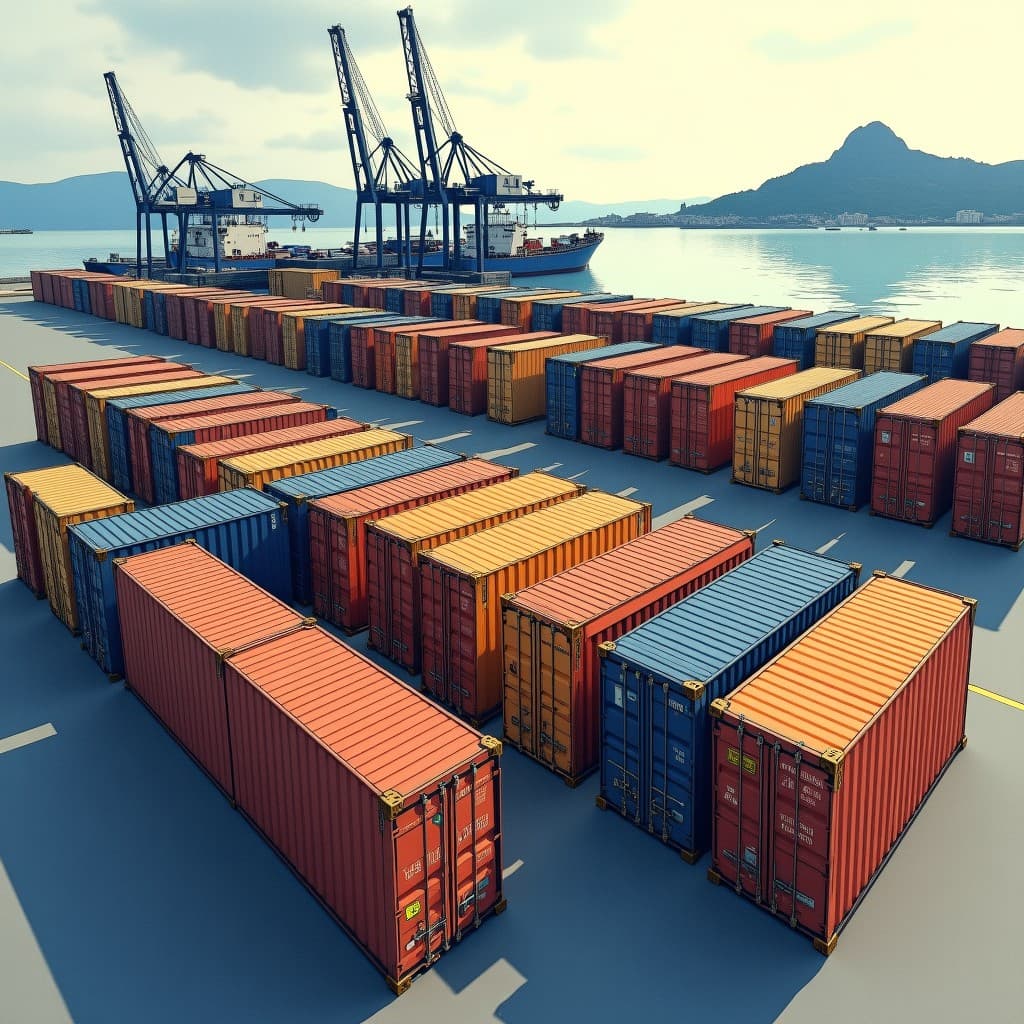
Italian police announced on Tuesday the seizure of pure cocaine with an estimated street value of €286 million hidden inside containers of bananas at a port in northwest Italy, according to CBS News. The 1,700-pound haul represents the latest in a series of large-scale drug discoveries concealed in shipments of the tropical fruit, underscoring the persistence of trafficking networks that exploit Italy's ports as entry points into Europe.
The seizure illustrates a broader pattern: Italy's Mediterranean gateways—particularly the Port of Trieste and other northern facilities—have become focal points in international drug trafficking. These ports handle enormous volumes of containerised cargo from Africa and South America, creating both economic opportunity and vulnerability to organised crime. The scale of this interception suggests sophisticated smuggling operations with access to legitimate shipping infrastructure.
Trieste's position as Italy's largest port and a major Adriatic hub makes it a natural target for trafficking networks seeking to move contraband into Central Europe. The port's role in regional trade with the Balkans and Central Europe, combined with its container capacity, has drawn the attention of law enforcement and, according to international crime reporting, criminal organisations seeking alternative routes as Atlantic ports face increased scrutiny.
CBS News reported that banana shipments have become a recurring vector for cocaine trafficking into Europe, with similar discoveries made in recent years. The method exploits the scale of fruit imports and the speed at which perishable cargo must be processed—creating windows for concealment that outpace inspection capacity. Italian authorities have expanded port security protocols in response, though the frequency of large seizures suggests demand and supply networks remain robust.
The discovery underscores Italy's persistent challenge as a transit nation for drugs destined for Northern Europe and the eurozone. While the seizure represents a significant enforcement success, it also signals the continued sophistication of trafficking operations willing to move multi-hundred-million-euro shipments through ports that have become better-known to international authorities. The case reinforces the port's strategic importance not only to Italian and EU commerce but to the criminal logistics networks that shadow legitimate trade.