
FRIULI-VENEZIA GIULIA
Trieste's gender-divided beach divides tourists as Europe's last segregates
The 123-year-old Trieste Lido faces scrutiny as visitors protest Europe's only remaining gender-segregated bathing site.
Sergio Madrussan428 wordsEdition №30Monday, 29 June 2026 — Edition № 30
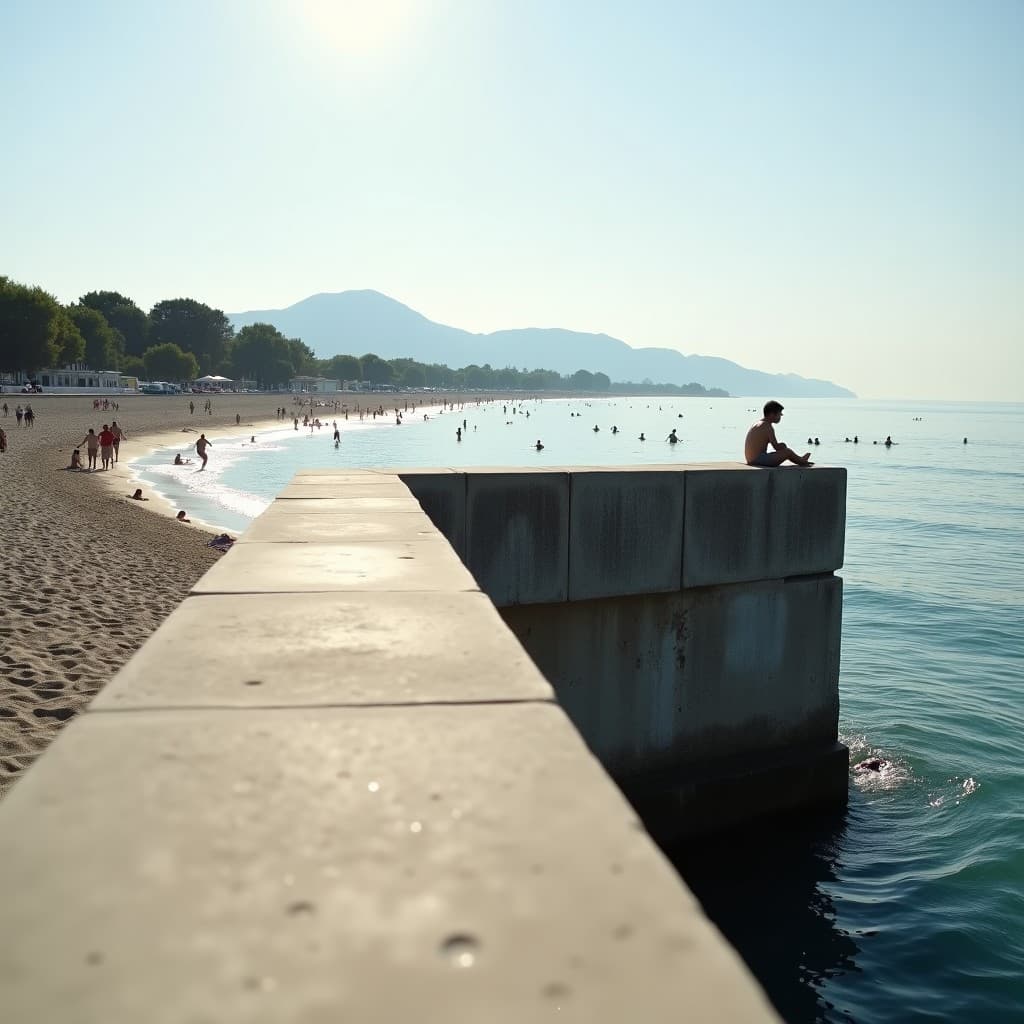
A wall dividing men and women at Trieste's Lido has stood for 123 years, a relic of early twentieth-century bathing customs that have vanished elsewhere across Europe. The segregated beach, a feature of the Austro-Hungarian era that shaped Friuli-Venezia Giulia's culture and architecture, now attracts scrutiny from visitors who see it as outdated and discriminatory. According to Yahoo News, the row has broken out over the beach's status as the last remnant of what was once widespread custom in European seaside resorts.
The Lido's division reflects the region's historical position as a crossroads between Italian, Central European and Mediterranean worlds. Trieste's identity has always been shaped by overlapping influences—Austrian administration until 1918, Italian rule thereafter, and Slovenian proximity across the border. The segregated beach sits at the intersection of these currents: a monument to the conservative social codes of the Austro-Hungarian coast, now challenged by the cosmopolitan expectations of twenty-first century tourism.
The tension raises questions about what a border city preserves and what it abandons. Trieste's museums, architecture and street names carry the weight of contested history; the beach's wall is another such marker. For the port city, which trades on its position as a gateway between Europe's east and west, the debate over the Lido's future touches on how it narrates its own past to the world.
The beach's defenders argue it serves those who prefer single-sex bathing for religious or cultural reasons. Yet the international coverage suggests a widening gap between the site's historical logic and modern sensibilities. Yahoo News reported that tourists have begun to protest the arrangement, viewing it as incompatible with contemporary values about equality and access.
For Trieste, the controversy arrives as the city courts investment and tourism in its role as a logistics and cultural hub. The port authority and research institutions have positioned the city as a modern European crossroads; a gender-segregated beach complicates that narrative. Whether the Lido's wall remains or falls will signal to visitors and investors alike what Trieste chooses to preserve from its past and what it leaves behind.