
FRIULI-VENEZIA GIULIA
Trieste's gender-divided beach draws renewed fire from foreign tourists
Europe's last segregated bathing site, established in 1903, faces fresh pressure as visitors question its place in modern Italy.
Sergio Madrussan342 wordsEdition №27Friday, 26 June 2026 — Edition № 27
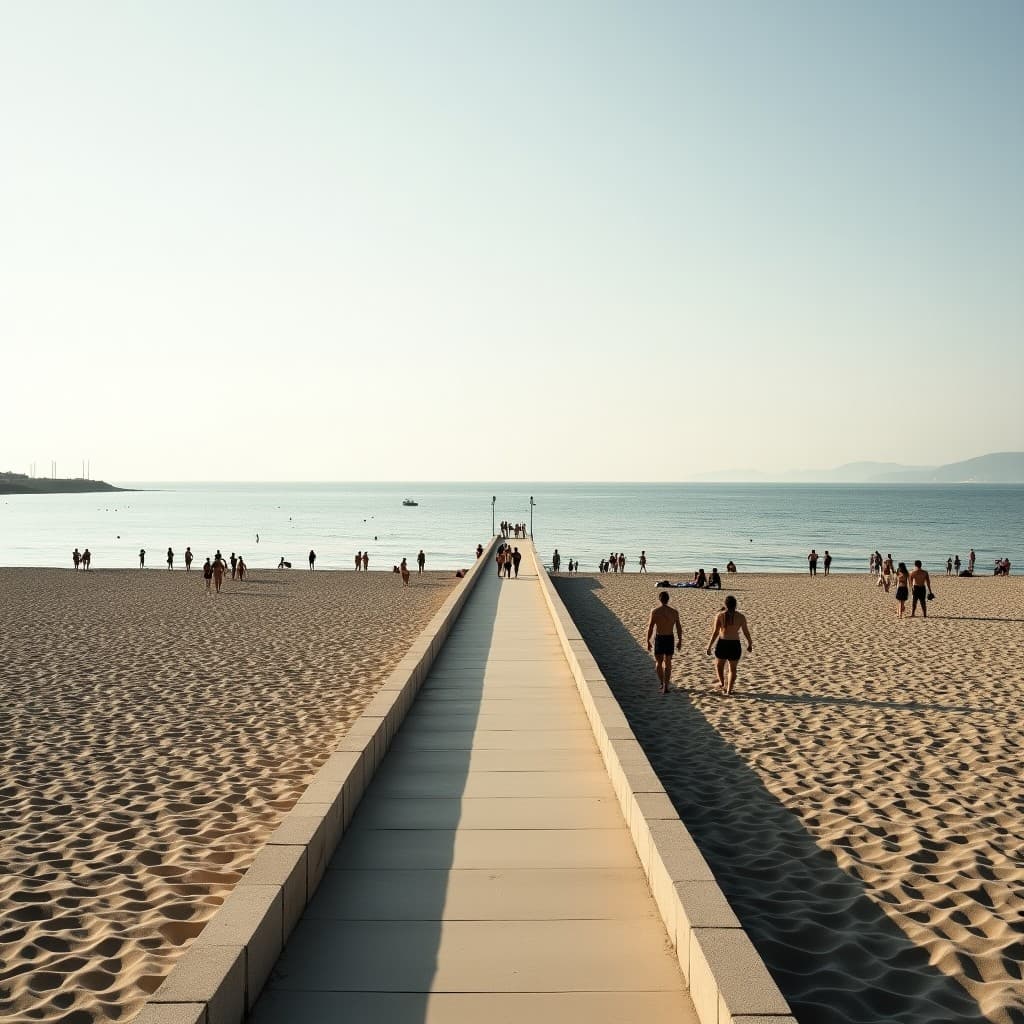
A row has broken out over Trieste's gender-segregated beach, according to Yahoo News, with tourists protesting against the division of the shoreline by a wall that separates men and women. The beach, established in 1903, is said to be the last remnant in Europe of what was once a widespread custom whereby bathing sites were segregated to preserve women's modesty. The practice, rooted in the city's Austro-Hungarian past, has persisted while similar divisions elsewhere on the continent were dismantled decades ago.
The beach sits at the heart of Trieste's identity as a crossroads between Italian, Central European and Mediterranean cultures, yet its continued operation raises questions about how heritage and modern values coexist in a tourism economy. The segregation, critics argue, reflects assumptions about female propriety that contradict contemporary European norms around gender equality. For a city that markets itself as a cosmopolitan port and research hub, the wall has become an uncomfortable symbol of an earlier era.
The controversy reflects broader tensions in Italy's relationship with its past. Trieste, once the Austro-Hungarian Empire's principal port and now home to science institutes and a major container terminal, presents itself as forward-looking and European. Yet the segregated beach persists as a working reminder of the imperial structures that shaped the city until 1918. Visitors—particularly from Western Europe—have begun to question whether a feature marketed as a cultural curiosity aligns with the region's stated values around inclusion and equality.
The beach's defenders argue that it serves those who prefer gender-separated bathing for religious or cultural reasons, and that its existence alongside open beaches elsewhere in Trieste offers choice rather than compulsion. However, the symbolic weight of maintaining Europe's last segregated bathing site has drawn attention from international observers who see it as inconsistent with the EU's equality frameworks. Yahoo News noted that the row has intensified as summer tourism peaks, bringing more visitors into contact with the practice and prompting them to voice objections.