
REGIONAL
Tuscan leather supply chain fractures as 830 firms close since 2019
Florence production workers strike as fashion crisis deepens across the region's historic industry
Costanza Bardi437 wordsEdition №41Friday, 10 July 2026 — Edition № 41
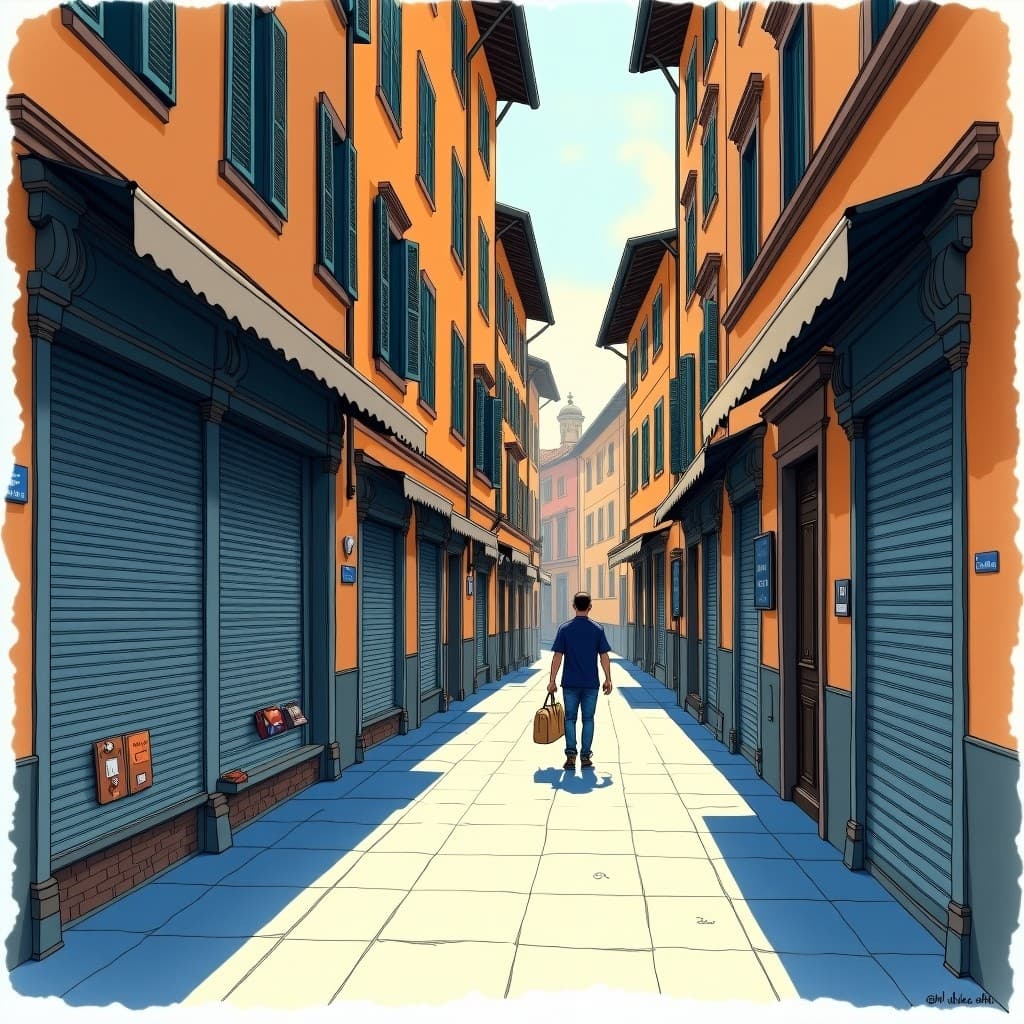
Production workers in Tuscany are preparing to strike on July 9 as calls for a restructuring of the supply chain landscape escalate, according to FashionUnited. The walkout reflects deepening strain across the region's historic leather industry, which has contracted sharply over the past seven years. According to figures provided by local trade unions cited by FashionUnited, 830 leather goods companies in the province of Florence have closed since 2019, displacing approximately 7,000 workers.
The strike signals a broader crisis in the supply chain that underpins Tuscany's global image as a centre of craftsmanship and luxury production. Florence has long marketed itself as a hub of artisanal leather work—a cornerstone of the region's soft power and tourist appeal. Yet the scale of closure suggests structural problems that go beyond cyclical downturns: consolidation, offshoring, and the pressure of mass-market competition have hollowed out the mid-tier producers that once formed the backbone of Tuscan manufacturing.
The timing of the action, during peak summer tourism season, underscores the disconnect between Tuscany's postcard image and the working reality behind it. Visitors to Florence encounter leather goods at every turn—markets, workshops, boutiques—yet the workers who produce them are increasingly scarce. The strike signals that those who remain are pushing back against the conditions that have driven so many of their peers out of the industry entirely.
FashionUnited did not detail the specific demands of the striking workers, but the closure figures paint a picture of an industry in retreat. The loss of 830 firms in a single province over seven years represents not gradual adjustment but accelerated collapse. Local trade unions, as cited by FashionUnited, appear to be signalling that piecemeal responses are no longer sufficient—hence the call for a comprehensive restructuring of the supply chain landscape.
Tuscany's leather sector has long depended on a particular model: small, family-owned workshops producing high-value goods for global luxury brands. That model has been tested by rising labour costs, competition from lower-wage regions, and the consolidation of retail power in the hands of large international conglomerates. Many smaller producers have either closed or been absorbed into larger entities, reducing the diversity and independence that once characterized the sector.
The strike comes as Tuscany itself faces pressure from over-tourism, which has transformed Florence's historic centre into a commercial zone dominated by chain retailers and tourist-oriented shops. The irony is sharp: while the region attracts millions of visitors seeking an encounter with authentic Italian craft, the actual production of that craft has been steadily dismantled. The July 9 action may force a reckoning with that contradiction—and with the question of whether Tuscany's economy can survive on tourism alone when the artisanal base that gave it meaning has largely disappeared.