
VALLE D'AOSTA
Ancient DNA rewrites wine's origins in Tuscany
Researchers map genetic history of 2,000-year-old grape seeds from a single Tuscan site.
Camille Bréan141 wordsEdition №16Monday, 15 June 2026 — Edition № 16
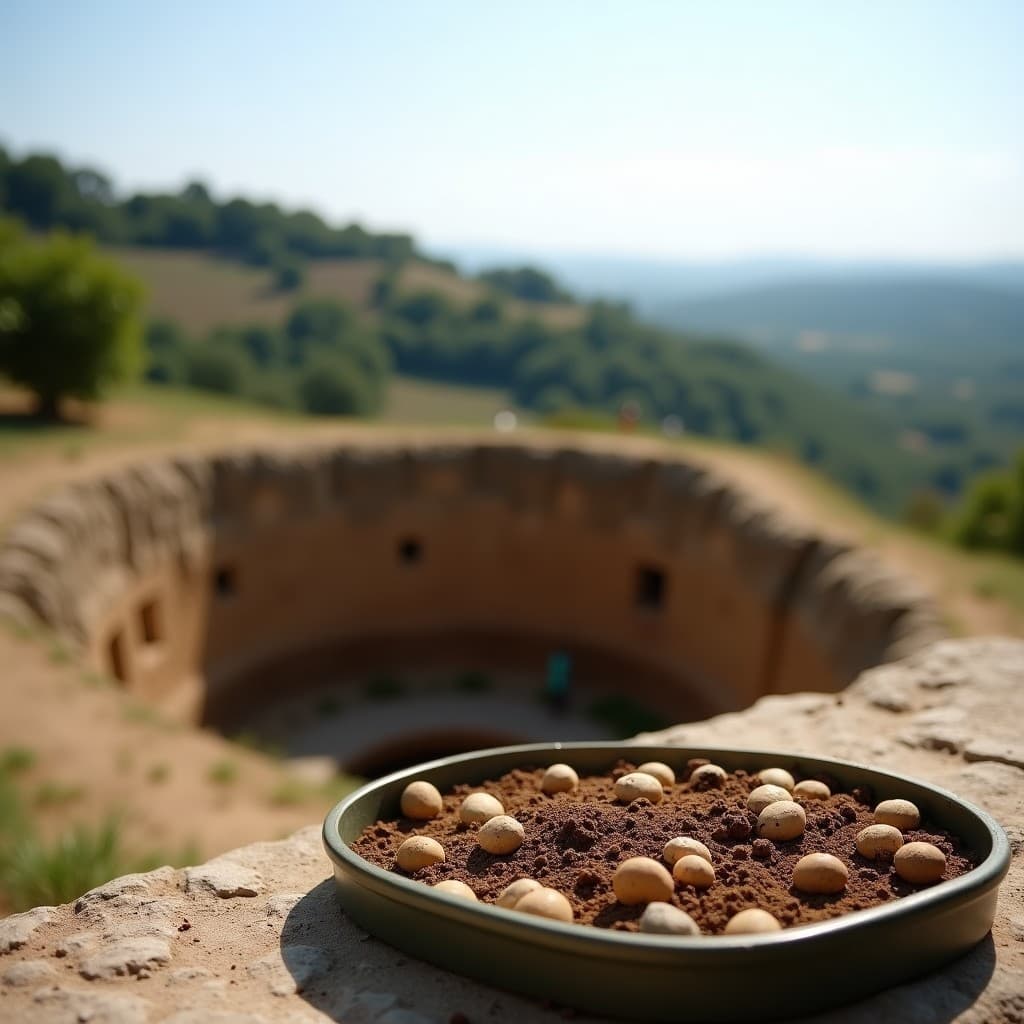
DNA extracted from 2,000-year-old grape seeds found in ancient wells in Tuscany has enabled scientists to map the most extensive genetic history of grapevines recovered from a single site, according to the Guardian. The research revealed that ancient vines of Chianti, famed today for red wines, produced white fruit—a finding that shifts how archaeologists and viticulturists understand the evolution of European winemaking from the Roman period onward.
The Tuscan research, conducted through genetic analysis of seeds preserved in waterlogged archaeological contexts, shows how vine varieties migrated and hybridized across Roman territories. The Guardian's reporting notes that these findings help explain not only how specific grape types spread through the peninsula but also how Roman agricultural practices shaped the viticultural landscape that modern Italy inherited.
The work suggests that understanding modern Italian wine requires understanding millennia of selection, trade, and climate adaptation.