
SCIENCE
DNA from ancient Tuscan vines rewrites the story of Roman wine
Two-thousand-year-old grape seeds reveal Chianti's ancestors produced white fruit, upending assumptions about classical viticulture.
Costanza Bardi315 wordsEdition №16Monday, 15 June 2026 — Edition № 16
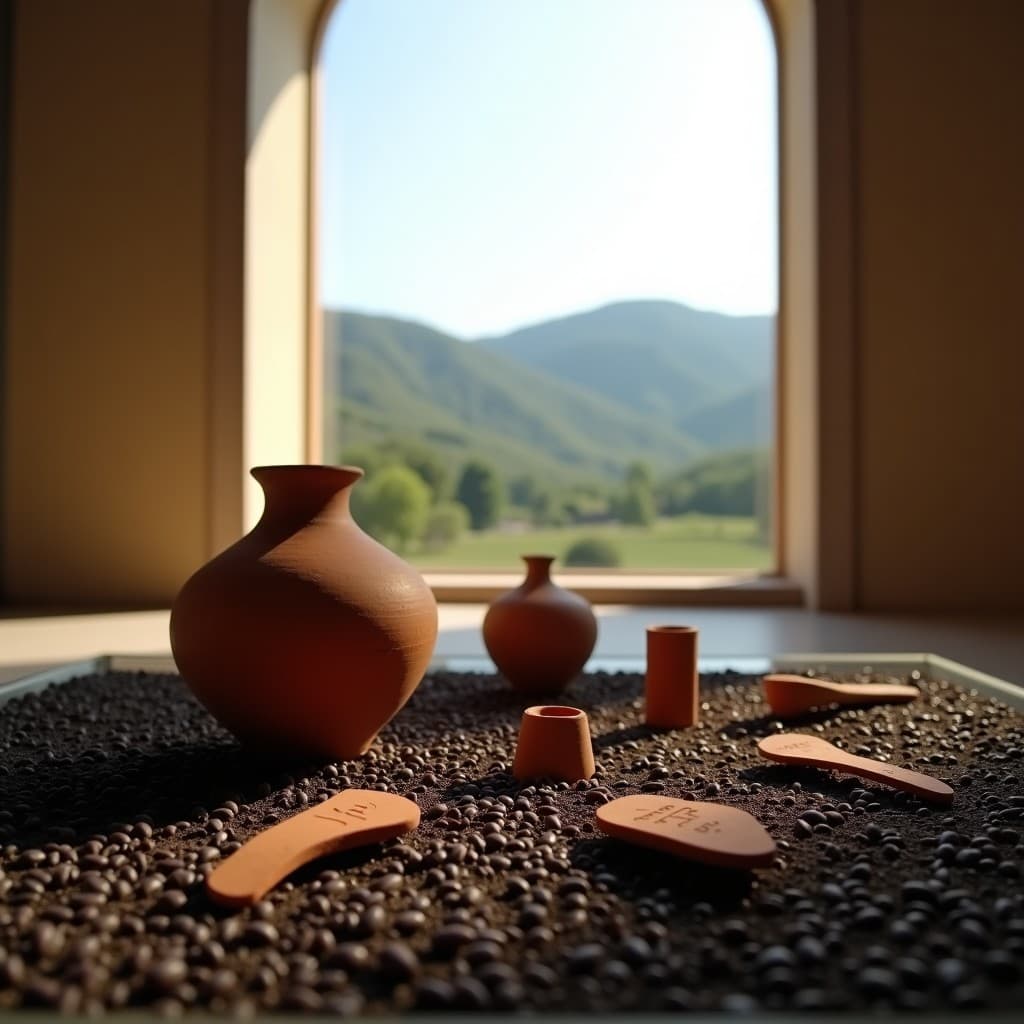
DNA extracted from 2,000-year-old grape seeds found in ancient wells across Tuscany has enabled scientists to trace the genetic lineage of vineyards that supplied the Roman empire's sophisticated agricultural network, according to the Guardian. The discovery challenges long-held assumptions about classical viticulture: the vines that grew in the hills now synonymous with Chianti's red wines produced white fruit in antiquity. The findings represent the most extensive genetic history of grapevines recovered from a single archaeological site.
The research illuminates how Roman viticulturists managed their vineyards and which varieties they cultivated across the region. Ancient wells in Tuscany, preserved by anaerobic conditions, yielded seeds whose DNA could be sequenced and compared with modern cultivars, allowing researchers to trace both continuity and change in the region's winemaking traditions. The Guardian's reporting indicates the study reveals how these ancient vineyards formed part of Rome's larger agricultural infrastructure, suggesting deliberate cultivation strategies across the empire's territories.
The discovery arrives as Tuscany's wine industry confronts a different kind of genetic challenge: climate stress. While the ancient seeds speak to Roman resilience and adaptation in viticulture, modern Tuscan producers face rising temperatures and altered growing seasons that threaten the terroir that has defined the region's identity for centuries. The genetic record offers a historical perspective on how vine varieties have shifted in response to environmental pressures—a pattern that may inform contemporary decisions about which cultivars to plant as the climate warms.
For a region where wine tourism and the mythology of timeless countryside anchor much of the world's image of Tuscany, the genetic findings carry symbolic weight. They demonstrate that the postcard idyll of unchanging vineyards is a fiction; Tuscan viticulture has always been dynamic, shaped by deliberate human choice and environmental constraint. The research suggests that adaptation—not preservation—has been the constant in the region's winemaking heritage, a narrative that may prove useful as producers navigate the uncertainties ahead.