
BASILICATA
Ancient Tuscan vines yield DNA secrets of modern winemaking
Two-thousand-year-old seeds from wells reshape understanding of viticulture's origins; implications for southern grape cultivation
Pietro Lasorsa412 wordsEdition №16Monday, 15 June 2026 — Edition № 16
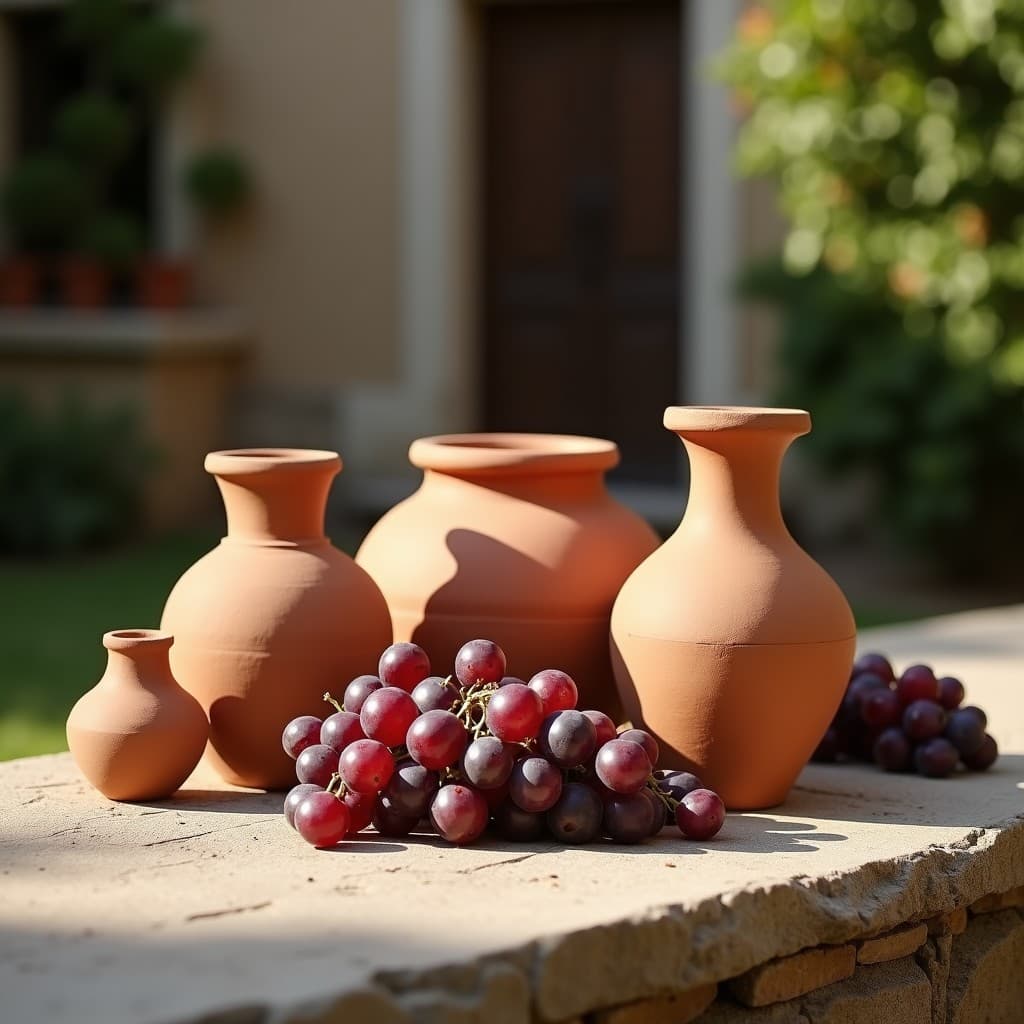
Researchers extracting DNA from 2,000-year-old grape seeds discovered in ancient wells across Tuscany have mapped the most extensive genetic history of grapevines recovered from a single archaeological site, according to the Guardian. The findings point to the origins of modern winemaking practices and reveal that the vines cultivated in what is now Chianti produced white grapes, not the red fruit associated with the region today.
The discovery traces the genetic lineage of viticulture across two millennia, showing how ancient viticultural practices shaped the varieties grown in central Italy. The research suggests that the domestication and selective breeding of grapes during the Roman period established the foundation for the winemaking traditions that persist in Tuscany and beyond.
For Basilicata, a region with its own ancient viticultural heritage and a growing reputation for quality wines, the Tuscan findings carry broader implications about how Mediterranean agriculture evolved and adapted over centuries. The Guardian's reporting suggests that genetic analysis of ancient seeds offers a new method for understanding how regional wine traditions developed from shared Roman-era stock.
Basilicata's wine sector, concentrated in areas such as Vulture and Aglianico production zones, sits within the same southern Italian winemaking continuum that traces its roots to antiquity. The research underscores how modern viticulture across the South draws from deep historical roots, even as contemporary producers distinguish their varieties through terroir and technique. Understanding the genetic ancestry of grape varieties may inform how southern Italian regions position their wines in an increasingly competitive global market, where heritage and provenance carry commercial weight.
The study also reflects a broader international trend in archaeology and genetics: using DNA analysis to reconstruct ancient agricultural practices. As the Guardian noted, the work from Tuscany demonstrates how molecular science can illuminate the history of food production in ways that traditional archaeology alone cannot, opening new avenues for understanding how climate, soil and human choice shaped the crops that sustained ancient societies and continue to define regional identity today.