
MOLISE
Ancient Tuscan grapes reveal winemaking origins; Molise's own heritage trails behind
DNA from 2,000-year-old seeds maps genetic history of Italian viticulture, but southern regions lack comparable research investment.
Antonio Petrella387 wordsEdition №16Monday, 15 June 2026 — Edition № 16
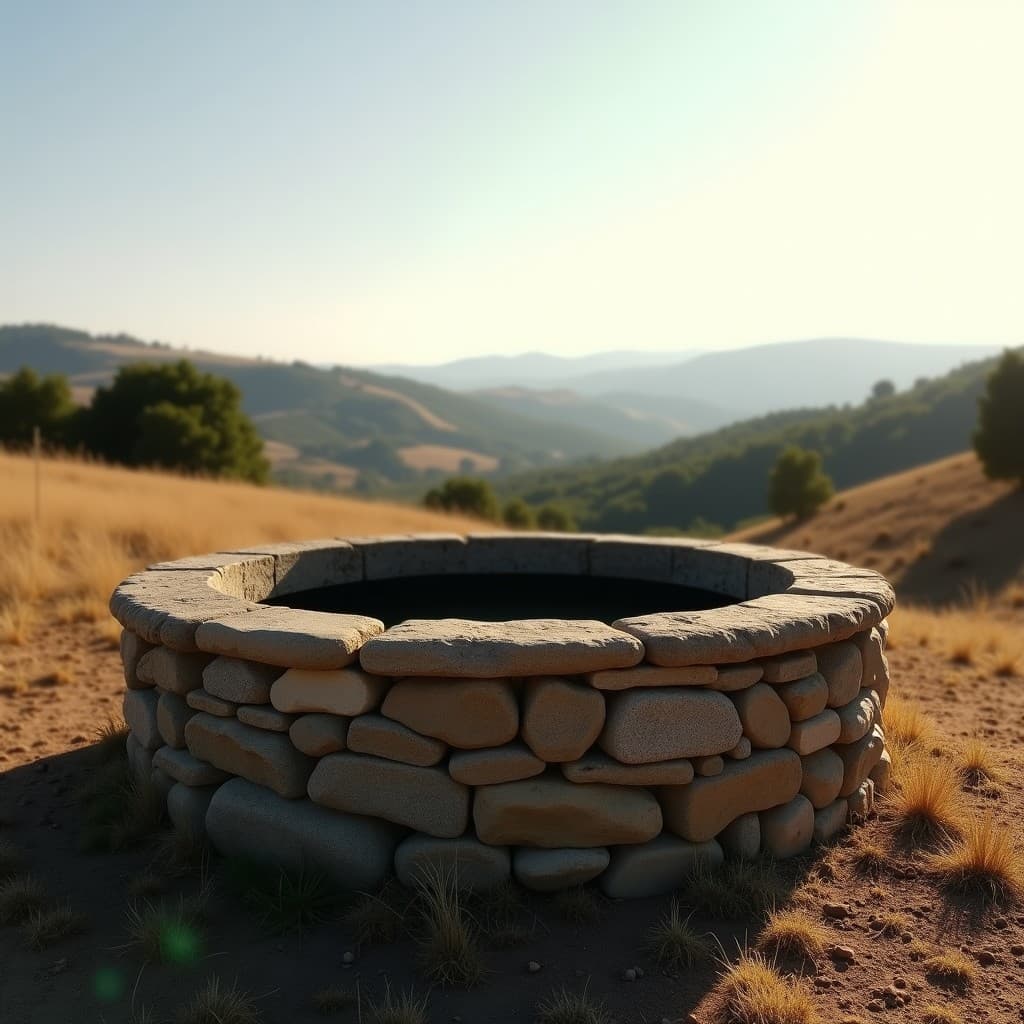
Scientists have extracted DNA from 2,000-year-old grape seeds discovered in ancient wells in Tuscany to reconstruct the most extensive genetic history of grapevines recovered from a single Italian site, according to the Guardian. The research reveals that the ancient vines of Chianti, now famed for red wines, once produced white fruit—a finding that reframes the region's viticultural trajectory and demonstrates how molecular archaeology can illuminate the deep history of European agriculture.
The discovery underscores a familiar divide in Italian research funding and heritage investment. Tuscany's wine industry commands international attention and attracts both academic study and tourism revenue; its agricultural past is systematically excavated, analysed and marketed. Molise, by contrast, produces cereals, vegetables and livestock on small holdings across its interior plateaus and coastal plains, yet its own agricultural heritage—transhumance routes, ancient grain cultivation, the seasonal movement of flocks along the tratturi—remains largely invisible to international scholarship.
The Tuscan study represents the kind of deep-historical research that typically flows toward regions with established wine prestige and the institutional resources to attract grants and research teams. Molise's agricultural economy, shaped by emigration and the gradual abandonment of subsistence farming, has generated little comparable scientific attention. The region's tratturi—the ancient droving paths that cross Molise and connect it to Apulia—carry a heritage as old as Tuscany's vines, yet they are documented chiefly in heritage tourism brochures rather than in peer-reviewed genetic or archaeological studies.
The Guardian's reporting on the Tuscan seeds frames the discovery as a window into 'the origins of modern winemaking' across Europe. For a region like Molise, the absence of similar research means its own agricultural past remains largely opaque to international science. When northern regions command research investment and international media coverage, the southern interior's claim to historical significance weakens—a pattern that reinforces the economic and cultural distance between the prosperous north and the depopulating south.
The implications extend beyond scholarship. Wine tourism drives Tuscan prosperity; archaeological prestige attracts visitors, funding and investment. Molise's agricultural heritage, equally ancient and equally integral to Italian identity, lacks the same apparatus of study, promotion and economic return. Until research institutions and international funders direct comparable attention to the south's own deep history, the region's past will remain a footnote to narratives written elsewhere.