
TOSCANA
Heatwave tests Tuscany's summer tourism machine
Record temperatures grip the region as Florence and wine country brace for peak season under red alert
Costanza Bardi385 wordsEdition №28Saturday, 27 June 2026 — Edition № 28
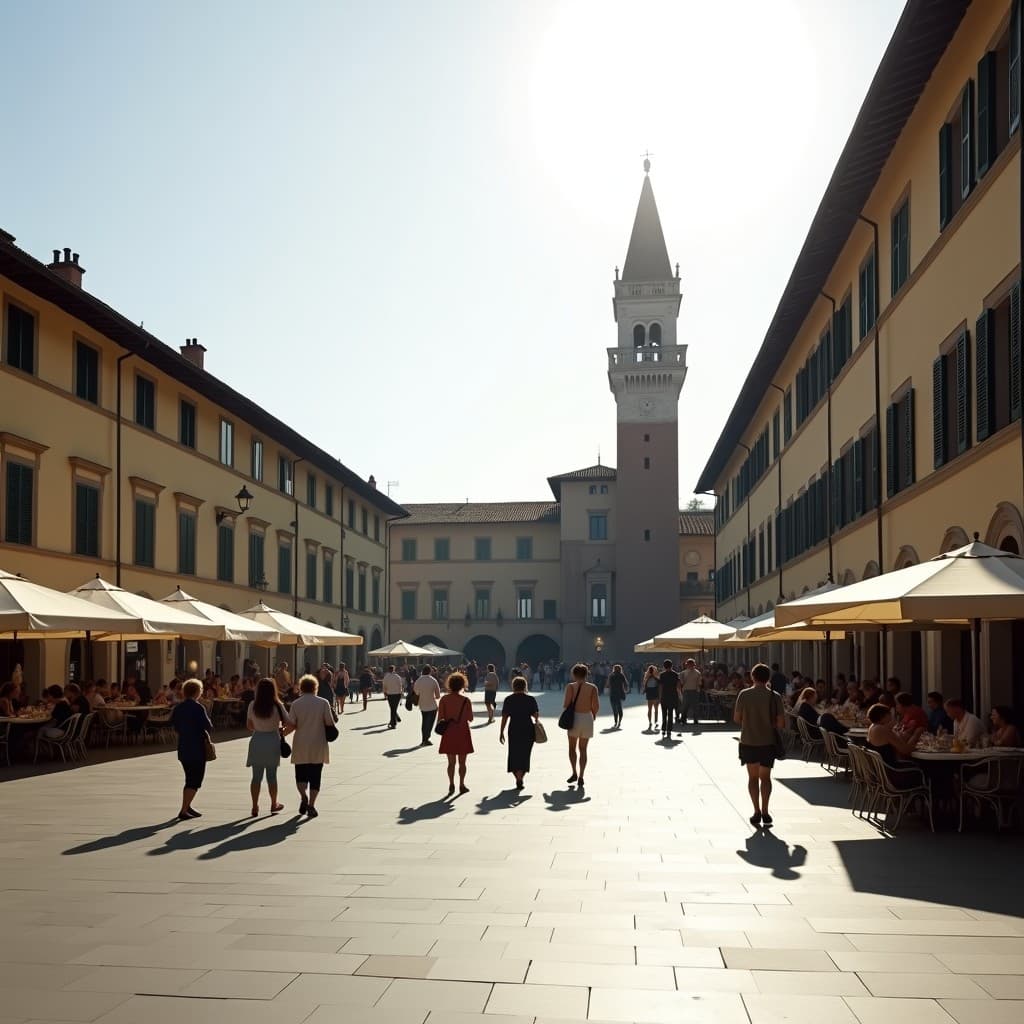
A severe heatwave has gripped western Europe, with France, Spain and Italy hardest hit, according to the BBC. Italy remains under red heat alert as temperatures reach record levels across the country. Tuscany, which draws millions of international visitors annually to Florence, the countryside and wine regions, faces particular pressure as the region enters its peak summer tourism season during extreme heat conditions.
The convergence of record temperatures and peak visitor volumes poses distinct challenges for Tuscany's heritage infrastructure and outdoor attractions. Florence's museums, already managing visitor flows through their galleries, must now contend with climate control demands during peak demand. The Uffizi Gallery and other major sites have reported air-conditioning failures during previous heat events, forcing temporary closures and ticket halts. Outdoor sites—the vineyards of Chianti, the thermal pools of Montecatini, the medieval hill towns—face strain from both environmental stress and visitor concentration during dangerous heat conditions.
The heatwave compounds existing tensions in Tuscan tourism. The region's economy depends heavily on visitor spending, yet the postcard image of leisurely summer travel across the countryside collides with the reality of extreme heat, infrastructure limits, and conservation pressures. Foreign travel media has increasingly framed Italy's summer season as a test of whether the country can sustain mass tourism under climate stress—a question that Tuscany, as Italy's most visited region outside Rome, cannot avoid.
Euronews reported that Rome's Bioparco zoo is using frozen treats, chilled pools and climate-controlled shelters to help animals survive the heatwave. The broader crisis of heat management across Italian institutions suggests that Tuscany's cultural and tourism infrastructure faces similar adaptation demands. Museums, hotels and outdoor attractions across the region must now balance visitor access with the operational limits imposed by extreme temperatures.
The timing compounds the challenge. Tuscany's summer season, which typically generates substantial revenue for Florence's centre, smaller towns and rural hospitality, now unfolds under conditions that discourage outdoor activity during peak daylight hours and exhaust cooling systems. Foreign travel operators and tour companies marketing Tuscany to international audiences must now navigate messaging around heat risk alongside the region's traditional positioning as an idyllic summer destination. The disconnect between the marketed Tuscany—golden light, leisurely meals, countryside drives—and the lived reality of record heat introduces friction into the tourism narrative that has long defined the region's international appeal.