
TOSCANA
Tuscany's Rental Boom Hits Ceiling as Earnings Fall 16%
Short-term lettings that drove post-pandemic recovery now face sharp downturn; Florence and hill towns brace for market correction.
Costanza Bardi1,247 wordsEdition №10Wednesday, 10 June 2026 — Edition № 10
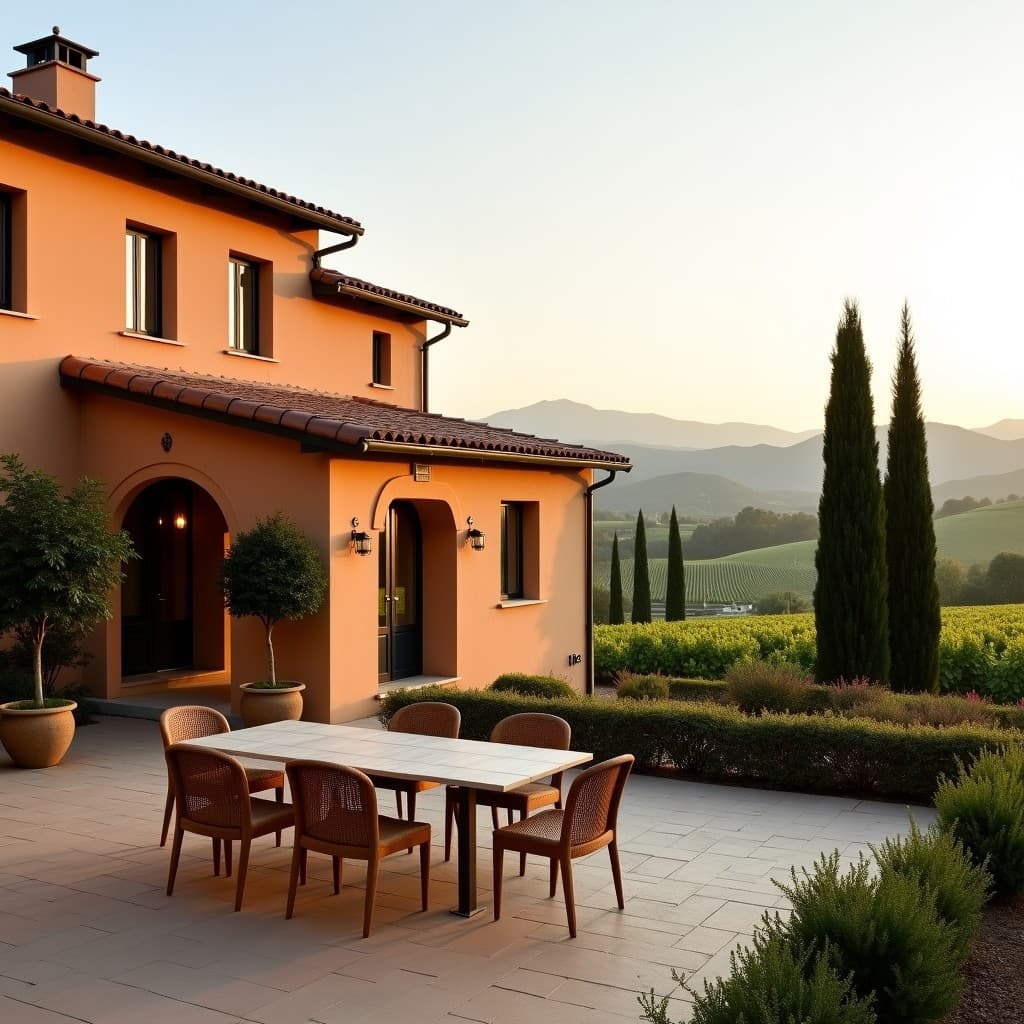
The short-term rental market that revived Italy's tourism economy after 2020 is now showing signs of exhaustion. According to tourism-review.com, earnings in the sector have fallen nearly 16% on average as the market faces what analysts describe as tougher conditions ahead. The decline marks a reversal for an industry that had rebounded strongly over the previous two years, suggesting the easy gains from pent-up travel demand have been exhausted.
For Tuscany, where holiday lets have become central to the rural and urban economy, the contraction carries particular weight. The region's countryside—the Val d'Orcia, the Chianti hills, the villas around Montepulciano—has been systematically converted into short-term rental inventory, marketed to international tourists as the authentic Tuscan experience. Florence's historic centre, meanwhile, has been hollowed by the same trend: residential apartments transformed into tourist accommodation, long-term tenants displaced, the city's working population thinned to a skeleton.
The earnings drop signals that the model may be reaching saturation. When supply of rental properties far exceeds demand, prices compress and occupancy rates fall. The foreign press has noted this pattern across European cities—Barcelona, Venice, Amsterdam—where over-tourism and over-supply of short-term lets have collided. Tuscany's turn may now be coming.
The timing of the downturn is significant. Tourism-review.com reported the decline as a shift from the immediate post-pandemic recovery, when international travel rebounded sharply and every available property could command premium rates. That surge has now moderated. The market is normalizing—or, from the perspective of property owners who invested heavily in conversion and furnishing, contracting.
The regional consequence is already visible in Florence. Last month, La Veduta reported that the city council had moved to ban short-term rentals in nine neighbourhoods, a direct response to the hollowing of the historic centre. That ban was framed as heritage protection, but it was also an admission: the rental model had gone too far, and the city's residential fabric was collapsing. Now, with earnings falling, the economics of short-term letting are becoming less compelling even without regulation.
Outside Florence, in the Tuscan countryside, the picture is more complex. Rural properties—farmhouses, villas, converted barns—have been marketed as luxury holiday lets to wealthy international tourists. The earnings from a single week's rental in July or August can exceed what a year's agricultural use might generate. But that calculation depends on high occupancy and high nightly rates. A 16% drop in average earnings suggests both are falling.
The foreign travel press, which has long promoted Tuscany as a destination for second-home buyers and long-term renters, has begun to shift its tone. Publications that once celebrated the Tuscan countryside as an investment opportunity are now asking whether the market has overheated. The question is whether owners will hold onto properties in hopes of a recovery, or begin to exit the market—converting back to residential use, or selling to larger operators who can absorb lower margins.
For Florence specifically, the rental downturn may paradoxically ease some of the pressure on the historic centre. If short-term letting becomes less profitable, some property owners may return apartments to long-term rental or sale. That could begin to restore residential life to streets that have become tourist corridors. But it could also accelerate the exit of younger Florentines who cannot afford rents inflated by tourism competition.
The broader context is Italy's struggle with tourism as an economic model. The country depends heavily on international visitors—they spend roughly €200 billion annually, according to various international sources—but that dependence has created distortions. In Venice, Rome, Florence, and now across Tuscany, the pursuit of tourism revenue has reshaped cities and regions in ways that damage their character and livability. The short-term rental boom was the mechanism: it allowed rapid, distributed conversion of residential stock into tourist accommodation without formal planning or regulation.
Now that mechanism is faltering. The question is whether the correction will be orderly or chaotic. Tourism-review.com noted that the market faces 'early signs of weakening,' but did not speculate on what comes next. Will owners adjust their expectations and accept lower returns? Will they exit the market? Will regulation accelerate the process? The answers will determine whether Tuscany's cities and countryside begin to recover their residential character, or whether they remain hollowed by tourism economics.
The rental downturn also intersects with Florence's broader demographic crisis. Tuscany's population is ageing and shrinking. Young people leave for Milan, Rome, or abroad. The city needs residents, not tourists. A contraction in short-term letting could create space—literally and economically—for that to happen. But it requires deliberate policy: zoning that protects residential use, rental controls that keep long-term housing affordable, incentives for young families to stay or return.
International observers have watched Italy's tourism struggles with interest. The foreign press has framed over-tourism as a problem of success—too many visitors, too little infrastructure, too much pressure on heritage sites. But the deeper problem is economic: tourism revenue is unequally distributed, volatile, and corrosive to the communities that depend on it. Tuscany, more than most regions, embodies that paradox. It is wealthy because of tourism, and impoverished by it.
The 16% earnings drop may be the first sign that the model is unsustainable. If the trend continues, it could force a reckoning. Property owners will have to decide whether to hold or sell. Cities will have to decide whether to regulate or accommodate. And residents will have to decide whether to stay or leave. For Tuscany, the next few years will be decisive.