
TOSCANA
Australian operator brings running tours to Tuscany's hills in shift toward active travel
New venture targets athletes seeking regional Italy over crowded Florence; launches in 2027 with small-group model.
Costanza Bardi408 wordsEdition №30Monday, 29 June 2026 — Edition № 30
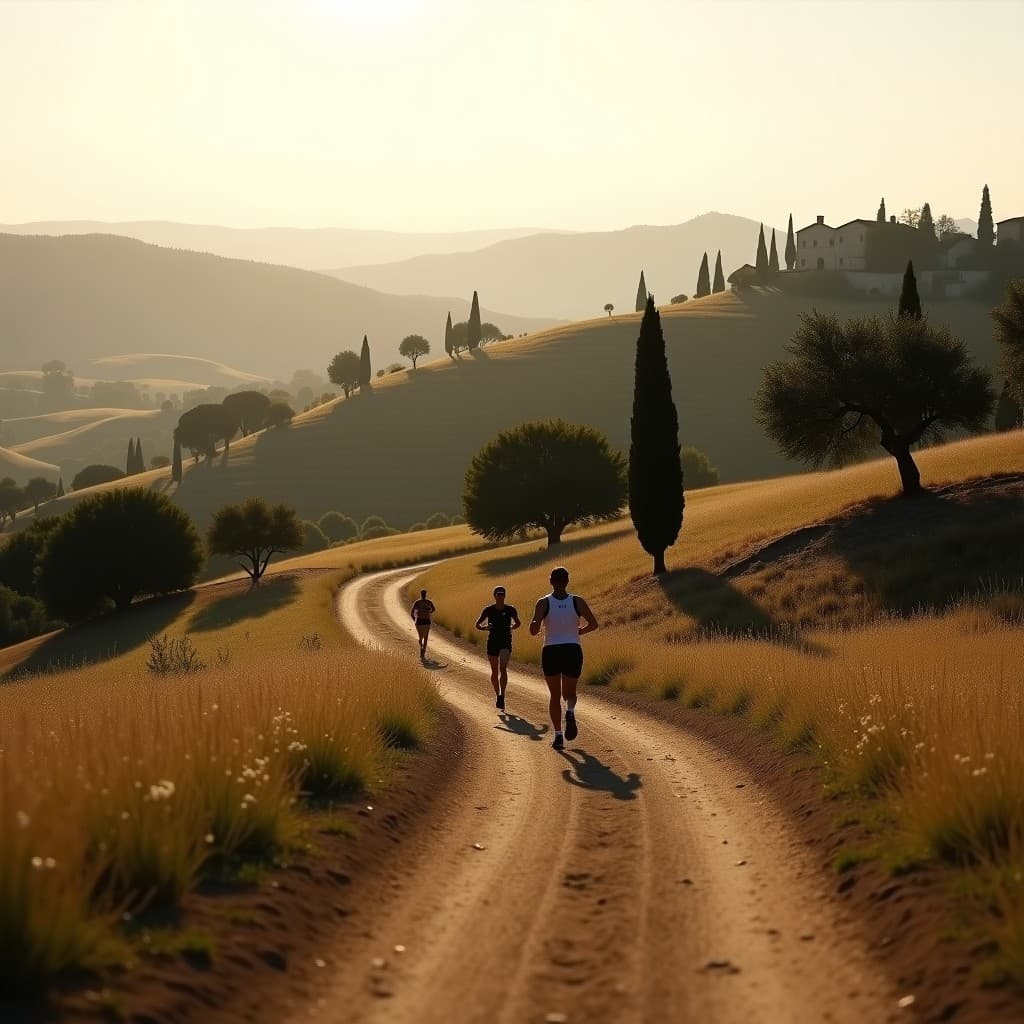
Travel Weekly Australia reported that a new Australian-owned tour operator is launching small-group running tours through regional Italy starting in 2027, a move that reflects a broader pivot in how international tourism is approaching Tuscany. The operator, drawing on years of on-the-ground relationships with local race organisers and running communities, is positioning the tours as an alternative to the conventional museum-and-wine-tasting circuit that has long defined international visits to the region. The venture targets active travellers—runners seeking authentic engagement with the landscape rather than the curated postcard version of Tuscany that dominates global marketing.
The timing and positioning of this venture speaks to a quiet shift in how tour operators are rethinking regional Italy. Rather than competing for space in Florence's overcrowded galleries and Siena's medieval squares, the Australian operator is betting that international visitors want to move through the Tuscan countryside on foot, encountering the working landscape—farms, villages, local running clubs—rather than the heritage-branded experience. This model aligns with broader trends in global tourism toward 'active' and 'wellness' travel, where movement and physical engagement are central rather than incidental. For Tuscany, it offers a potential relief valve: dispersing visitors across the region's hills and smaller towns rather than concentrating them in the three or four global-brand destinations.
The regional implications are significant. Tuscany's economy has long depended on tourism revenue concentrated in Florence and, to a lesser extent, Siena and San Gimignano. But that concentration has created acute strain: overcrowding in the historic centres, pressure on infrastructure, and the slow hollowing out of smaller towns as service workers migrate to where the tourist money is. Running tours—by definition small-group, dispersed across the landscape, and focused on movement rather than stationary sightseeing—could distribute both visitor numbers and revenue across a wider geography. The Australian operator's relationships with local race organisers suggest that the model is embedded in existing Tuscan running culture rather than imposed from outside.
The venture also reflects a recognition that Tuscany's primary international appeal—its landscape, its wine, its sense of historical continuity—is best experienced in motion through the countryside rather than queuing in museums. Running tours, by this logic, are not a niche product but a more authentic way of engaging with what Tuscany actually is: a working agricultural region with a particular aesthetic and cultural identity. For international visitors seeking an alternative to the Florence-Venice-Rome triangle, this kind of active dispersal offers both novelty and a more genuine encounter with regional Italy. Whether the model can scale—and whether it genuinely reduces pressure on Florence while building sustainable tourism in smaller towns—will depend on how many tour operators follow the Australian lead.