
TOSCANA
Religious tourism reshapes European travel; Tuscany's sacred routes find new audiences
As faith-based tourism booms across Europe, Tuscan pilgrimage routes attract visitors seeking spiritual experience alongside wine and heritage
Costanza Bardi1,456 wordsEdition №3Wednesday, 3 June 2026 — Edition № 3
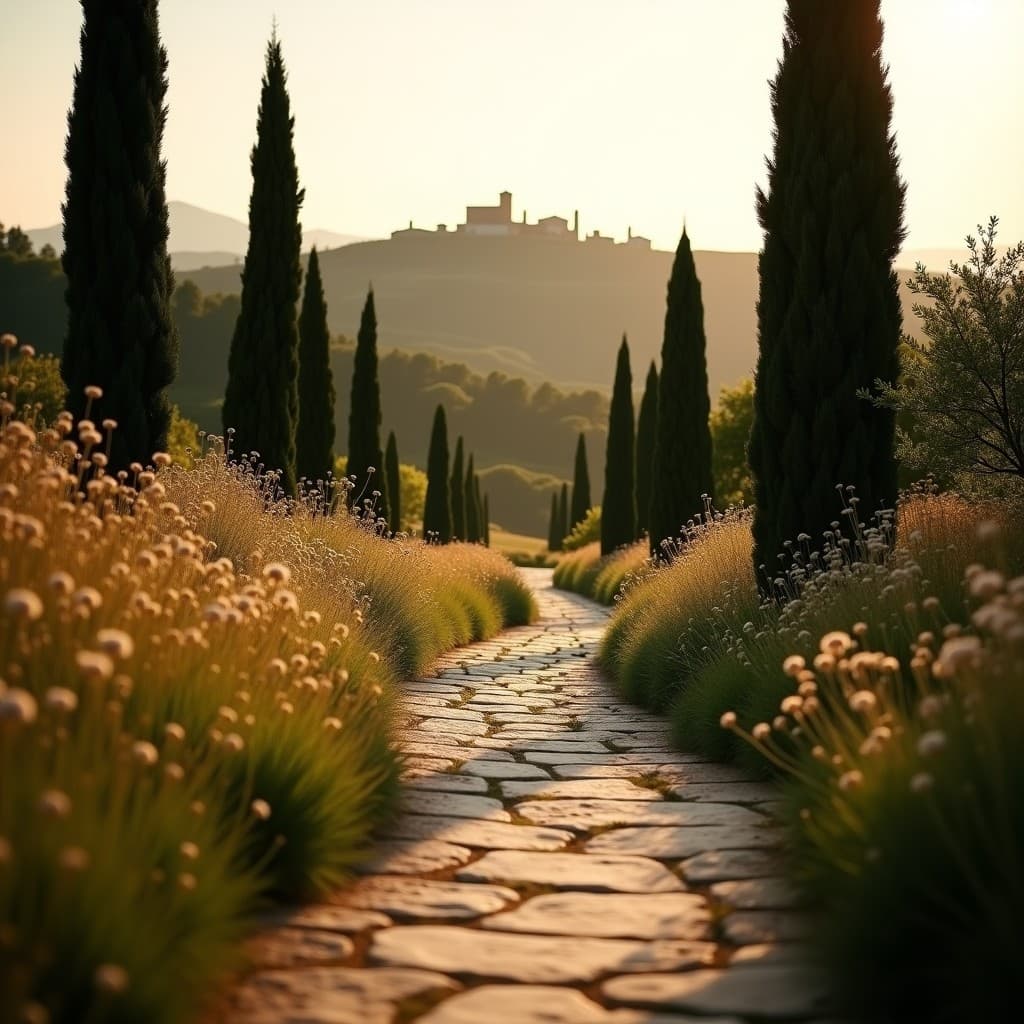
Religious tourism is undergoing rapid transformation across Europe, with Spain emerging as a leader in the segment, according to tourism-review.com, which cited a recent report by ObservaTUR on faith-based travel patterns. The trend reflects a broader shift in how international visitors approach cultural tourism, seeking experiences that combine spiritual meaning with heritage and landscape.
For Tuscany, this European movement carries particular implications. The region has long hosted pilgrims on routes such as the Via Francigena, which passes through the Val d'Orcia and connects to Rome. Yet the international profile of religious tourism in Tuscany has traditionally been overshadowed by the region's secular cultural draw — the Renaissance, the wine estates, the countryside itself.
The surge in faith-based travel across Europe suggests that Tuscan religious sites and pilgrimage routes are positioned to attract a segment of international visitors distinct from the mass tourism that crowds Florence and Siena. This diversification of visitor interest could reshape how the region markets itself and how heritage conservation priorities are set.
Tourism-review.com reported that religious tourism is experiencing a boom across European nations, with Spain at the forefront. The ObservaTUR report cited by the outlet identified a transformation in how faith-based travel is structured and marketed. Rather than traditional pilgrimage — solitary journeys of spiritual devotion — religious tourism increasingly blends sacred sites with hospitality, dining, wellness and cultural experience.
This evolution reflects broader changes in how international travellers consume heritage. The rise of 'wellness tourism', the integration of local food and wine into cultural itineraries, and the search for 'authentic' experiences beyond mass-tourism circuits have all created space for religious and spiritual tourism to expand. Spain's success in this segment — with routes like the Camino de Santiago and cathedral tourism — demonstrates the commercial and cultural viability of faith-based travel.
Tuscany possesses comparable assets. The region is crisscrossed by historic pilgrimage routes, most notably the Via Francigena, which medieval pilgrims walked en route to Rome and beyond. The route passes through the Val d'Orcia, one of Tuscany's most photographed landscapes, and connects to sites of religious significance including the Abbey of Sant'Antimo and the shrine of the Madonna di Vitaleta. Smaller routes link convents, hermitages and churches across the Tuscan hills.
Yet Tuscany's religious tourism infrastructure remains underdeveloped compared to Spain's. The region's international marketing emphasizes wine, Renaissance art, and landscape. Religious sites are treated as heritage monuments — visited as cultural artefacts — rather than as destinations for spiritual tourism. The distinction matters: a visitor seeking a pilgrimage experience approaches a site differently than a tourist visiting a museum or a postcard landscape.
The European trend toward religious tourism suggests untapped potential for Tuscany. International visitors increasingly seek alternatives to the overcrowded circuits of Florence, Venice and Rome. A pilgrimage-based itinerary — combining the Via Francigena with local hospitality, regional wine and food, and spiritual practice — could attract a distinct demographic: older, more affluent, seeking slower travel and deeper cultural engagement.
Several factors support this possibility. The rise of 'slow tourism' and 'authentic travel' as marketing categories reflects genuine shifts in how international visitors approach destinations. The wellness tourism boom — which tourism-review.com identified as a driver of religious tourism growth — aligns with the contemplative, health-focused appeal of pilgrimage. And Tuscany's existing infrastructure of agriturismos, wine estates and small hotels is well-suited to the hospitality demands of pilgrimage-based tourism.
However, developing religious tourism in Tuscany would require deliberate investment and marketing. Spain's success with the Camino de Santiago rested on decades of infrastructure development, signage, guidebooks, and international promotion. Tuscany's pilgrimage routes, by contrast, are often unmarked, poorly documented in English-language sources, and not actively marketed as spiritual destinations. A regional strategy to develop these routes would need to balance commercial opportunity with the preservation of their contemplative character.
The regional consequence is significant. Over-tourism in Florence and Siena has become a documented problem in international coverage — the hollowing of historic centres, the strain on infrastructure, the transformation of living cities into open-air museums. Diversifying visitor interest toward pilgrimage-based tourism in less-visited parts of the region could distribute economic benefit more widely and reduce pressure on the most congested sites.
Yet this diversification carries risks. Pilgrimage tourism, if marketed aggressively and scaled up, could itself become a form of commodification — the spiritual experience packaged and sold as a luxury product. The Via Francigena's appeal rests partly on its relative quietness and its distance from commercial tourism circuits. Promoting it too heavily could destroy the very qualities that make it attractive to pilgrims.
The European trend identified by tourism-review.com suggests that international demand for religious tourism is genuine and growing. Spain's success demonstrates that faith-based travel can be profitable and sustainable. For Tuscany, the question is how to harness this trend without repeating the mistakes of mass tourism — without turning pilgrimage routes into theme parks or sacred sites into mere attractions.
A measured approach might focus on developing infrastructure and hospitality along the Via Francigena and other routes, marketing them primarily through specialist travel media and pilgrimage networks, and working with local religious communities to ensure that commercial development serves rather than exploits spiritual purposes. This would position Tuscany as a destination for a different kind of international visitor: one seeking depth rather than spectacle, contemplation rather than consumption.
The regional tourism economy has long rested on the postcard image of Tuscany — the rolling hills, the wine, the Renaissance art. Religious tourism offers an opportunity to add another layer: the spiritual and contemplative dimension that pilgrimage provides. Whether Tuscany seizes this opportunity depends on whether regional leaders and tourism bodies recognize that the future of sustainable tourism may lie not in intensifying the existing circuits but in opening new ones.