
UMBRIA
Umbrian gin wins global spirits competition
Quattro Gatti from the region takes top prize at MicroLiquor Spirit Awards, signalling international appetite for small-batch Italian producers
Niccolò Mariani1,247 wordsEdition №3Wednesday, 3 June 2026 — Edition № 3
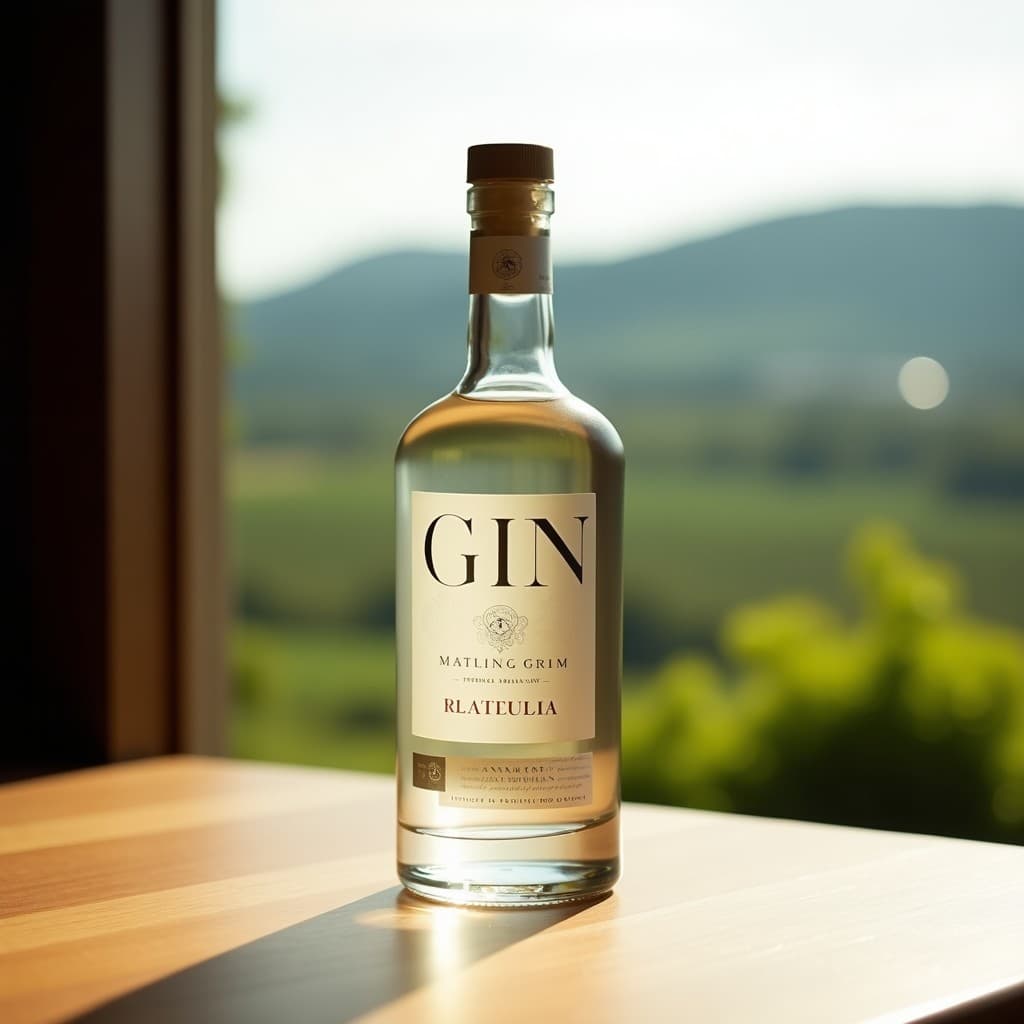
Quattro Gatti, a gin produced in Umbria, has won the MicroLiquor Spirit Awards, according to Yahoo News Canada. The competition is designed to recognise small spirits brands, and Quattro Gatti's Classico expression was selected as the world's best gin in the judging. The award signals growing international interest in artisanal Italian spirits beyond the established categories of wine and vermouth.
The MicroLiquor awards operate in a different register from the major spirits competitions that dominate global markets. By focusing on small producers, the competition reflects a shift in how international consumers and retailers evaluate spirits — away from scale and toward provenance, terroir and craft. For Umbria, a region better known internationally for Assisi's pilgrimage tourism and the Spoleto Festival, the recognition offers a foothold in a market where Italian producers have historically played a minor role.
Umbria's agricultural economy has long centred on wine, olive oil, cereals and chocolate. Spirits production remains marginal to the regional identity, and most international coverage of Italian gin and craft spirits focuses on producers in the north — Piedmont, Lombardy, the Veneto — or on the established amaro and liqueur houses of the south. A Quattro Gatti victory at a competition watched by international retailers and sommeliers suggests that Umbrian distillers may be beginning to compete for shelf space and consumer attention in markets where Italian craft spirits have gained traction in recent years.
The award comes at a moment when small-batch spirits are reshaping how international consumers perceive Italian production beyond wine. Over the past decade, Italian gin in particular has moved from a niche category to a recognised segment in global spirits markets. Producers in the north have led this shift, with brands from Piedmont and the Veneto gaining listings in specialist retailers across the United States, the United Kingdom and northern Europe. Umbrian producers have remained largely invisible in this conversation, partly because the region has no established spirits tradition and partly because its economy and infrastructure have been oriented toward agriculture and tourism rather than manufacturing for export.
Quattro Gatti's victory at MicroLiquor suggests that this invisibility may be changing. The award is not a major international competition in the manner of the San Francisco World Spirits Competition or the International Wine and Spirits Competition, which dominate trade and consumer perception. But MicroLiquor's focus on small brands means its winners often gain traction with independent retailers, bars and online spirits merchants — the channels through which craft spirits reach consumers in developed markets. A win here can translate into international distribution and media coverage that a smaller producer could not otherwise afford.
For Umbria, the regional implications are modest but real. The region's population has been declining for decades, with young people emigrating to Rome, Milan and northern Europe in search of employment and opportunity. Agriculture remains important but is increasingly mechanised and consolidated. Tourism, centred on Assisi, Perugia and the Spoleto Festival, provides seasonal work but does not generate the stable, year-round employment that might anchor young families in the region. Small-scale manufacturing — ceramics, textiles, food processing — survives but struggles to compete with larger producers elsewhere in Italy and in Europe.
A spirits sector, if it were to develop, would represent a different model: value-added production based on local agriculture, with potential for direct-to-consumer sales and international marketing. Gin production requires botanicals, which Umbria can supply from its own agriculture or from nearby regions. It requires skilled labour and craft knowledge, which can be trained and retained locally. And it requires the kind of storytelling — terroir, heritage, artisanal method — that international markets increasingly reward. None of this guarantees commercial success, but it suggests a possible pathway that does not depend on mass tourism or the consolidation of agricultural land.
The international spirits press has begun to pay attention to Italian gin as a category. The Guardian, the Financial Times and specialist publications like Drinks International have run features on Italian producers in recent years, often framing them as part of a broader European craft spirits movement. These outlets have focused almost exclusively on northern producers, partly because that is where the commercial activity is concentrated and partly because northern Italy has stronger connections to international media and retail networks. An Umbrian producer breaking into this conversation, even through a competition focused on small brands, represents a modest shift in how the international press perceives Italian spirits production.
Quattro Gatti's entry into international distribution would also reflect a broader pattern in how Italian food and drink producers have adapted to global markets. Umbrian chocolate, particularly the brands based in Perugia, have long maintained international presence through mass production and distribution. Umbrian wines, while less famous than those of Tuscany or Piedmont, have established themselves in export markets through consortiums and collective marketing. A spirits producer following a similar path — building international awareness through awards, media coverage and retail partnerships — would represent a natural evolution of how Umbrian producers engage with global commerce.
The regional government and tourism authorities have, in recent years, begun to promote Umbria's food and agricultural heritage more actively to international audiences. The Spoleto Festival and Umbria Jazz remain the primary vehicles for international cultural attention, but food tourism — cooking schools, farm stays, gastronomic festivals — has grown. A recognised spirits producer could fit naturally into this ecosystem, offering visitors a product that embodies the region's agricultural character and can be taken home as a souvenir or gift. This model has worked for other regions: Tuscany's wine tourism and Piedmont's food tourism both generate significant revenue and employment.
What remains unclear is whether Quattro Gatti's success will catalyse broader interest in Umbrian spirits production or remain an isolated achievement. The MicroLiquor award is a genuine recognition, but it does not automatically translate into market success or into a movement of new producers entering the sector. Umbrian entrepreneurs considering spirits production would need to assess whether the market opportunity justifies the investment, whether they can access capital and expertise, and whether the region's existing infrastructure and networks can support a new sector. These are practical questions that awards do not answer.
The international spirits market is competitive and increasingly consolidated. Large multinational companies control significant shelf space and marketing budgets. Smaller producers must differentiate themselves through story, quality and consistent availability. An Umbrian gin would need to compete not only with established Italian brands but with craft producers from Spain, France, the United Kingdom and beyond. The MicroLiquor award provides a credential and a starting point, but building a sustainable business requires sustained effort, investment and access to distribution channels that many small producers lack.
For now, Quattro Gatti's victory serves as a signal: Umbrian producers can compete at an international level, and international consumers and retailers are willing to consider products from the region beyond the established categories of wine, chocolate and tourism. Whether this signal becomes a trend depends on whether other producers follow, whether they can secure investment and distribution, and whether the international spirits press continues to cover Umbrian producers with the attention it has given to the north. The award is a beginning, not a guarantee.