
UMBRIA
Umbria's summer festivals face heat test as Europe swelters
Record temperatures threaten Umbria Jazz and Spoleto Festival as deadly heatwave spreads across the continent
Niccolò Mariani412 wordsEdition №31Tuesday, 30 June 2026 — Edition № 31
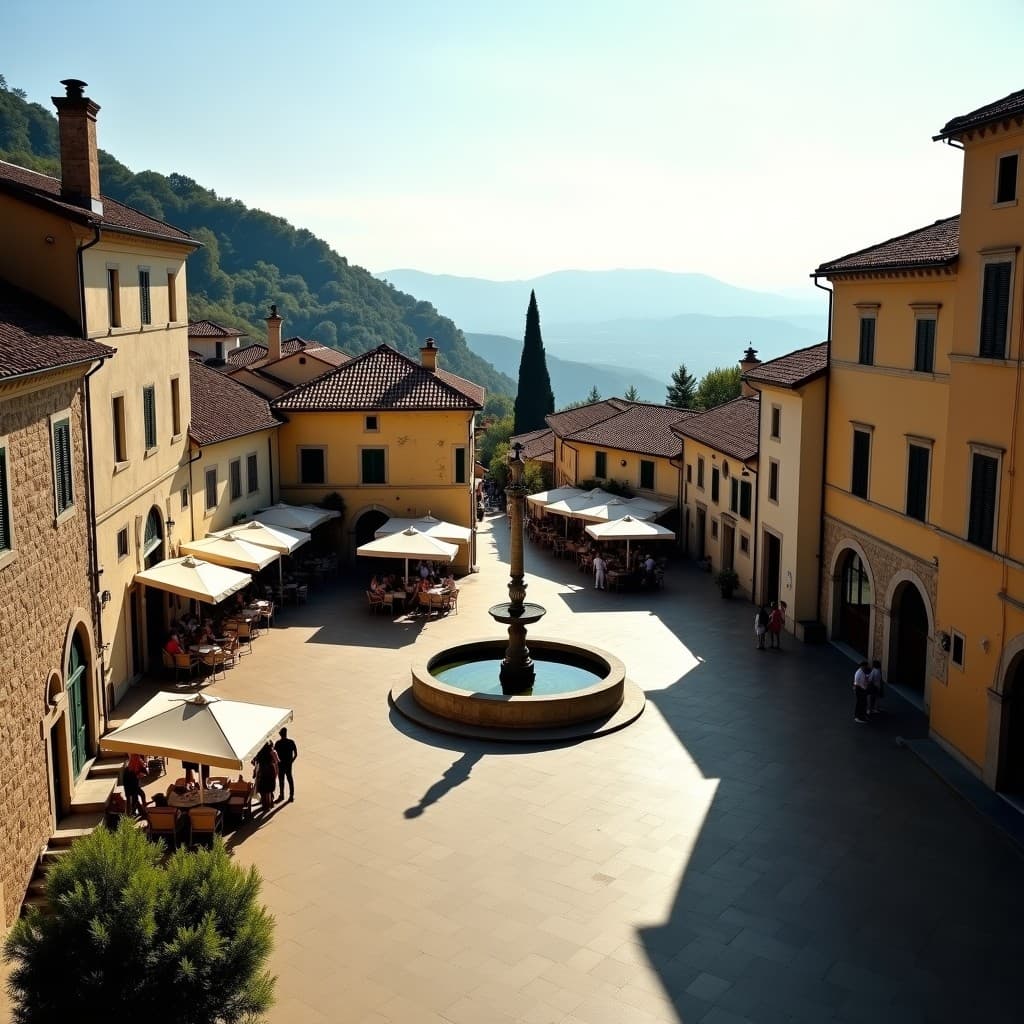
Germany and Italy are sweltering under record temperatures as a deadly heatwave spreads eastward across Europe, according to the Guardian. The World Health Organisation reported more than 1,300 excess deaths across Europe since June 21 in connection with the weather system. Most of Italy remains under red alert, with forecasters predicting relief only by mid-week. Umbria, which draws tens of thousands of visitors annually to Umbria Jazz in July and the Spoleto Festival in the summer months, now faces a critical test of whether its cultural calendar can survive in an age of sustained extreme heat.
The heatwave has already disrupted major European tourism infrastructure. According to Skift, the heat wave is prompting train cancellations and impacting global attractions across the continent, from Paris's Eiffel Tower to England's ceremonial events. In Umbria, the risk extends beyond visitor comfort to the logistics of hosting large outdoor gatherings in hill towns designed for Mediterranean warmth, not sustained records. The region's festivals depend on audiences willing to spend hours in open-air venues—a calculation that shifts when temperatures reach dangerous levels and health authorities issue warnings.
The broader pattern suggests Umbria's inland economy faces a structural challenge. The Guardian's coverage indicates that European cities and regions are experiencing an accelerating trend of extreme heat that disrupts the very tourism model on which many communities depend. For Umbria's smaller towns—Assisi, Spoleto, Perugia—the festivals and pilgrimage tourism that sustain local economies may require rethinking scheduling, venue design, and visitor management as summer heat becomes more volatile and dangerous.
Umbria's agricultural heartland is also vulnerable. The region's farms, which supply ingredients for the chocolate and food products that drive its international reputation, face stress from both heat and water scarcity. While the Po Valley in the north has drawn international attention for drought-driven saltwater intrusion, Umbria's smaller river systems and irrigation patterns face comparable pressure—a story the foreign press has tracked as part of Italy's broader climate vulnerability.
The timing compounds the challenge. Umbria Jazz and the Spoleto Festival are scheduled for July and summer, precisely when European heat peaks. Unlike coastal regions that can offer relief through water access or northern destinations that remain cooler, Umbria's inland hill towns offer limited climate refuge. Organisers will face difficult decisions about whether to reschedule, relocate venues indoors, or proceed with modified programming—choices that carry economic and cultural consequences for towns that depend on these events for summer employment and visibility.
The heatwave also underscores Umbria's demographic vulnerability. The region, like much of inland Italy, has experienced steady emigration of younger residents to cities and the coast. A cultural calendar disrupted by climate stress risks further eroding the incentive for young people to remain in or return to these communities. The festivals represent not just tourism revenue but a claim that inland Umbria remains vital—a claim harder to sustain if summer becomes uninhabitable.