
UMBRIA
Assisi weighs the cost of UNESCO's blessing
As sites worldwide seek delisting, Italy's holiest hill town confronts tourism's shadow side
Niccolò Mariani478 wordsEdition №19Thursday, 18 June 2026 — Edition № 19
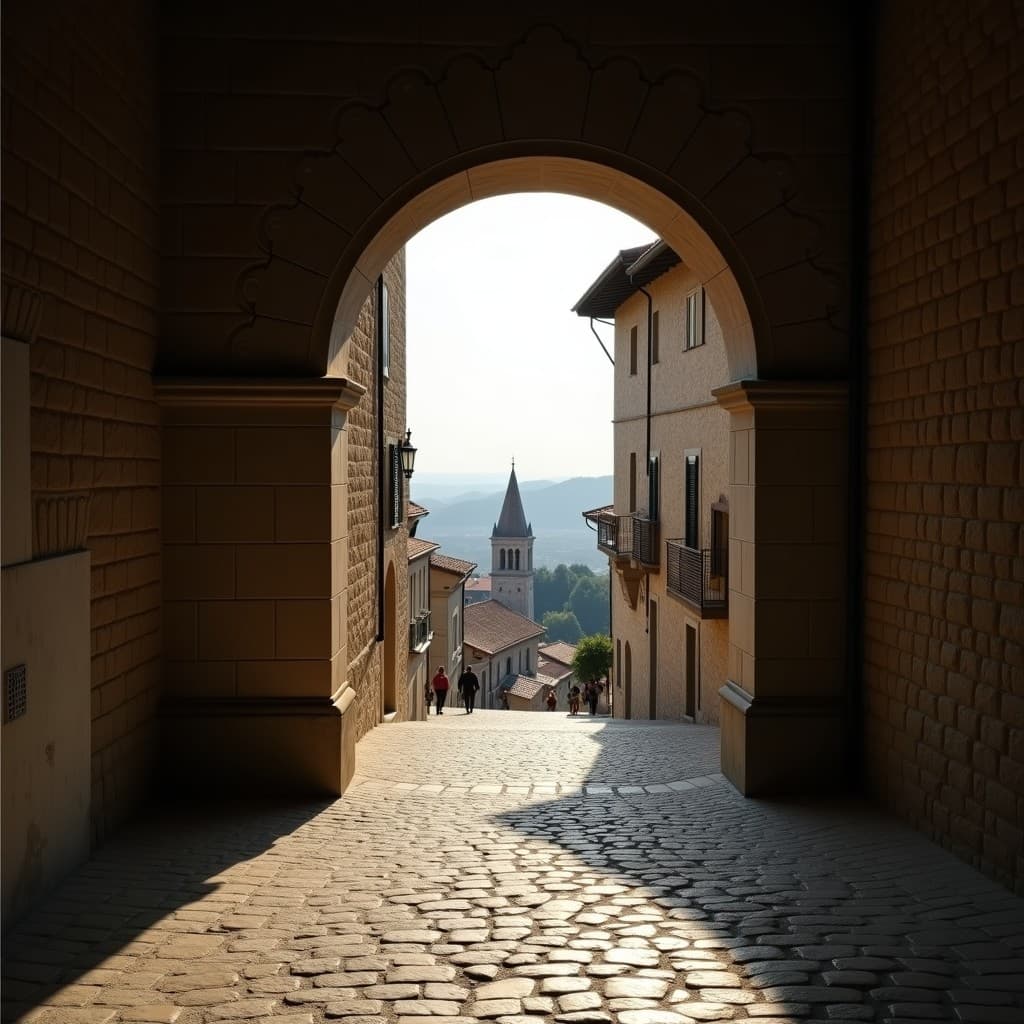
Assisi, one of Christianity's most visited pilgrimage sites and a UNESCO World Heritage property since 2000, faces a paradox that the BBC's recent investigation into global delisting movements has thrown into sharp relief. The designation that was meant to preserve the Franciscan basilica and the medieval hill town has instead accelerated the very pressures that threaten them. The BBC reported this week that several UNESCO sites worldwide are now petitioning for removal, arguing that the prestige and protection the listing confers has become inseparable from overtourism and the erosion of local life.
In Assisi, the numbers tell a familiar story. The town's population is roughly 2,700 permanent residents, yet the basilica of Saint Francis draws over a million visitors annually. According to the BBC's analysis, such designation-driven tourism often transforms heritage sites into open-air museums where the living community becomes secondary to the preservation spectacle. Foreign travel correspondents have long noted that Assisi's medieval streets, built for pilgrims on foot, now strain under coaches that park in the valleys below, disgorging crowds who climb the narrow ways in summer heat.
The tension is not academic. The BBC's reporting suggests that communities in UNESCO sites increasingly see the listing as a constraint rather than a gift—one that locks them into conservation regimes that prevent development, housing, commerce and the ordinary rhythms of town life. Assisi's own young people have emigrated steadily for decades; the town's median age is among Italy's highest. The prestige of World Heritage status has not reversed the depopulation of inland Umbria; it has, in some measure, accelerated it by making the town a museum piece rather than a place to build a future.
The BBC's investigation found that sites across Africa, South America and Asia are now openly discussing delisting as a strategy to reclaim agency over their own development and tourism management. That conversation has not yet reached Assisi's town council in explicit terms, but the underlying frustration is audible in local discourse that foreign correspondents covering religious tourism have begun to pick up.
What complicates any move toward delisting is Assisi's religious significance. The town is not simply a heritage attraction; it is the birthplace of the Franciscan order and a living pilgrimage destination. The Vatican, the Italian state and the global Catholic faithful all have interests in how the site is preserved and presented. Unlike the African pastoralist communities the BBC described—who can theoretically choose to withdraw from the heritage economy—Assisi cannot simply opt out of its own sacred identity.
Yet the BBC's reporting suggests a path forward: sites that have negotiated more localized tourism governance, stricter visitor caps and revenue-sharing models that fund community needs rather than external conservation agendas have reported greater satisfaction among residents. Assisi's authorities have begun to experiment with similar measures—limiting coach access, requiring advance booking for the basilica, investing proceeds in housing and services for locals. Whether these interventions can outpace the pressures of global religious tourism remains an open question, and one that the BBC's delisting investigation has made harder to ignore.