
TOSCANA
Tuscany's postcard villages weigh the cost of World Heritage status
As tourism strains historic sites, some Italian communities question whether Unesco designation is worth the burden
Costanza Bardi412 wordsEdition №14Saturday, 13 June 2026 — Edition № 14
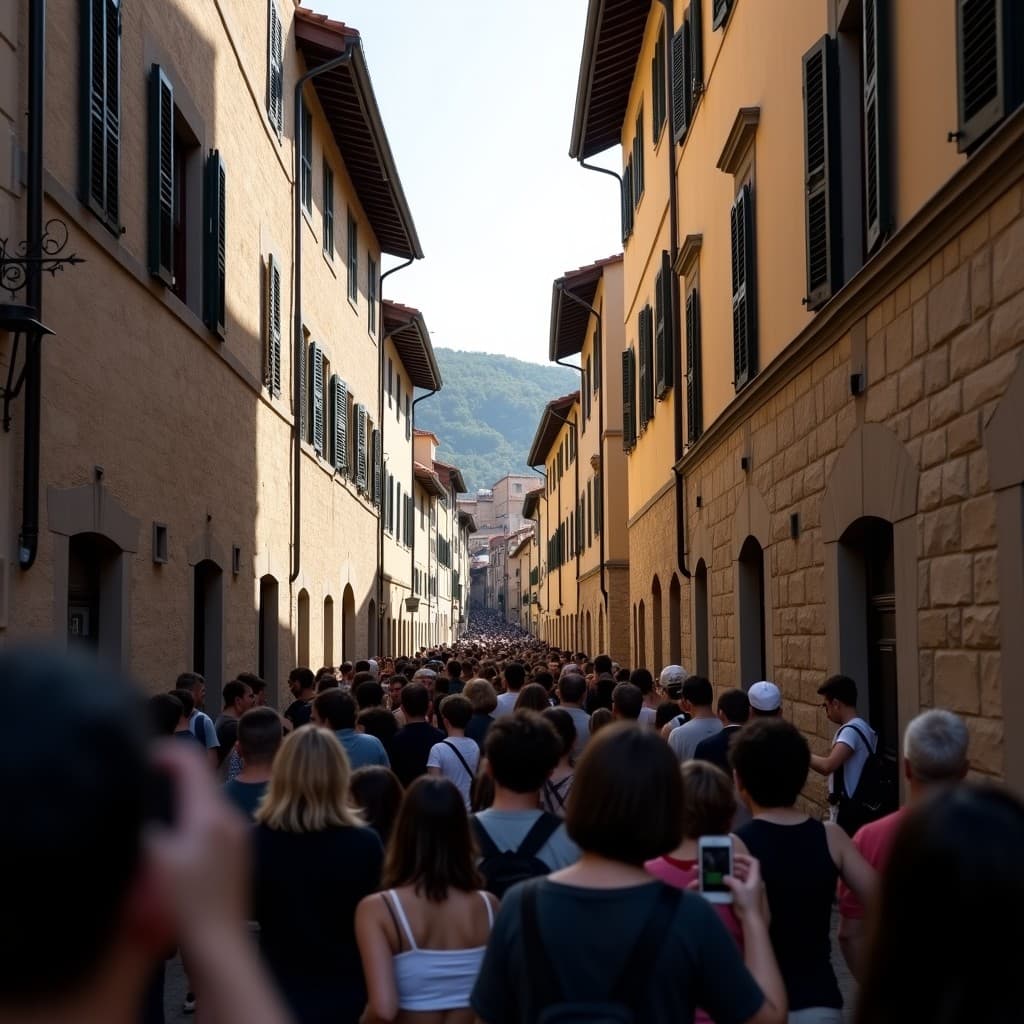
The BBC recently examined a global phenomenon that has begun to touch Italy's most celebrated landscapes: communities fighting to be delisted from Unesco's World Heritage register. The designation, once coveted as a mark of cultural significance, now carries a weight some places no longer wish to bear. The article does not name specific Italian sites seeking removal, but the pattern it identifies—locals arguing that heritage status and associated tourism have created more issues than benefits—reflects pressures that Tuscany knows intimately.
Tuscany's position in this calculus is precarious. Florence, the Uffizi Gallery, the Val d'Orcia, and San Gimignano all carry Unesco designation. Each has become a pilgrimage site for mass tourism. The BBC's reporting suggests that heritage status, far from protecting communities, can accelerate the very degradation it was meant to prevent: overcrowding, rising rents, the displacement of residents, the transformation of living villages into open-air museums. The argument is not new to Tuscany's foreign observers, but the BBC's framing—that delisting is now a credible option communities are pursuing—signals a shift in how the world understands the trade-off between prestige and sustainability.
Tuscany has long occupied a paradox in the international imagination. The region is marketed globally as an idyll of Renaissance art, rolling vineyards, and untouched countryside—a postcard so successful that it has become a destination for roughly 10 million visitors annually. Yet that same success has hollowed the historic centres of Florence and other Tuscan towns, driven up property values, and rendered many villages economically dependent on tourism at the expense of working agriculture, small manufacture, and resident life.
The BBC does not specify which Unesco sites are seeking delisting or what their circumstances are, but its broader reporting suggests that the question facing Tuscany is no longer whether heritage designation is desirable, but whether it remains sustainable. Foreign travel writers and critics have documented for years the strain on Florence's infrastructure, the congestion in San Gimignano, the pressure on the Uffizi's conservation capacity. The BBC's article implies that some communities have concluded the burden outweighs the benefit.
What delisting would mean for Tuscany remains unclear. Removal from the Unesco register would not reverse tourism flows already established by decades of marketing and global cultural prestige. It might, however, signal to regional and national authorities that the current model of heritage management—one that prioritizes visitor volume over resident welfare and conservation—requires fundamental change. For now, Tuscany's major sites remain on the list, and the tension between their status as world treasures and their reality as communities under strain persists unresolved.