
NATIONAL
Workers at U.S. Consulate construction in Milan paid less than $2 an hour
AP investigation reveals systematic wage violations at diplomatic building site
Beatrice Comolli407 wordsEdition №18Wednesday, 17 June 2026 — Edition № 18
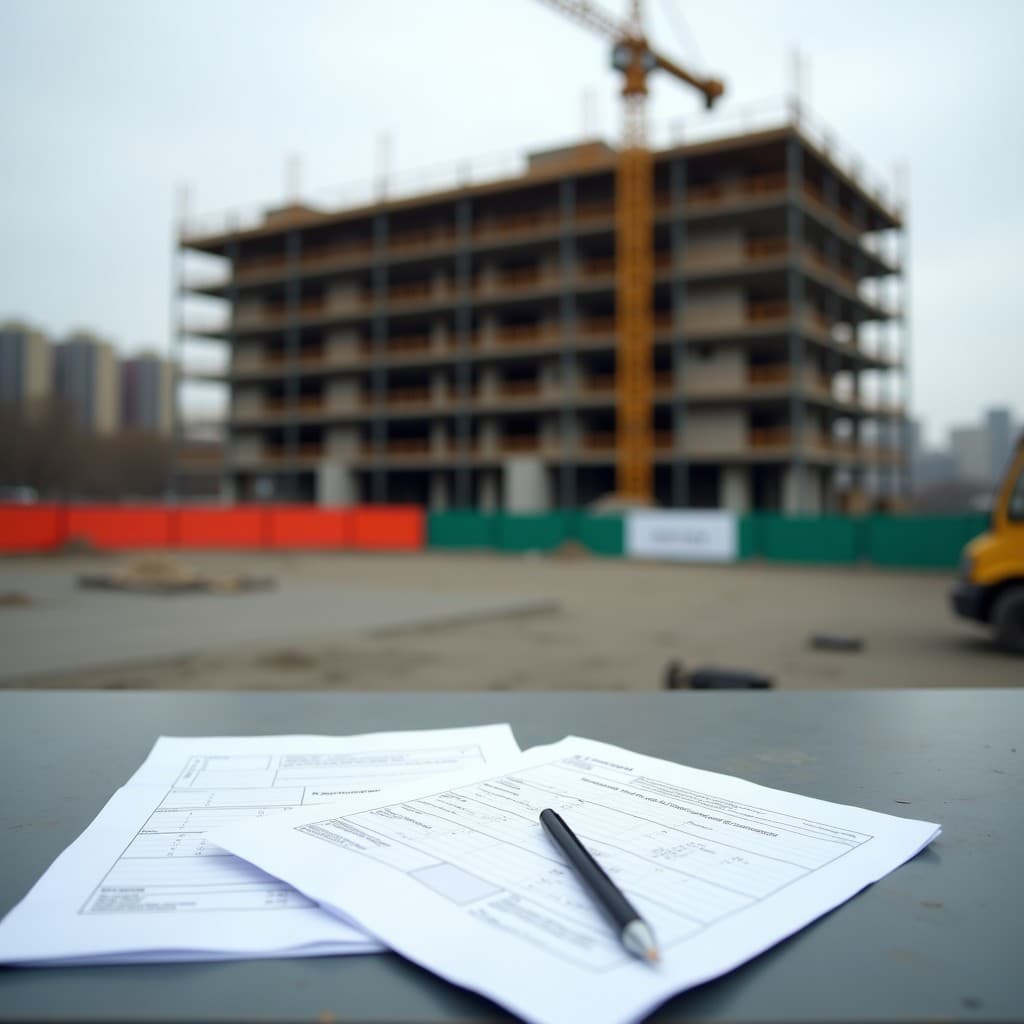
Construction workers on the site of the new U.S. Consulate in Milan were paid less than $2 an hour, far below both Italian and U.S. wage standards, according to employment documents and passport records obtained by the Associated Press. The investigation, which examined payroll records from the construction site, revealed systematic wage violations that suggest exploitation of migrant labourers hired to build the diplomatic facility.
The findings point to a broader pattern of labour abuse in Italian construction, where subcontractors often hire foreign workers through informal arrangements that bypass legal protections. The consulate project, a high-profile diplomatic investment in Milan, underscores how even government-backed construction can be vulnerable to such practices when oversight of labour compliance is inadequate.
The wages documented—under $2 per hour—represent a fraction of Italy's minimum wage, which stands at roughly €10 per hour for standard employment. Workers interviewed by AP said they were not provided with written contracts specifying terms or hours, making it difficult to challenge exploitative conditions. The investigation did not identify which contractor or subcontractor was responsible for the wage violations.
Milan's construction sector has long been flagged by labour advocates and Italian authorities as a site of systematic abuse of migrant workers. The city's rapid development, driven by infrastructure upgrades and real estate investment ahead of major events and diplomatic initiatives, has created demand for low-cost labour that often outpaces enforcement capacity. The U.S. Consulate project, which is expected to be completed in coming years, was meant to showcase American investment in Milan and strengthen diplomatic ties.
The AP investigation raises questions about contractor vetting and labour monitoring protocols on the consulate site. Neither the U.S. State Department nor Italian authorities have publicly confirmed the scope of the wage violations or what remedial action, if any, has been taken. Labour groups in Milan have called for stronger oversight of construction sites and penalties for contractors who exploit workers.
The incident reflects broader vulnerabilities in Milan's labour market. Despite the city's status as a global financial and fashion centre, migrant workers in construction, hospitality, and domestic service often lack access to legal counsel or union representation. Enforcement of Italian labour law remains inconsistent, particularly in subcontracting chains where responsibility is diffuse and documentation sparse. The consulate case, documented by an international news outlet, has drawn international attention to practices that local authorities have struggled to curtail.