
ESTERO
Far-right general's new party splinters Meloni's coalition ahead of 2027 vote
Roberto Vannacci's National Future attracts defectors and forces premier to choose between allies as election year approaches.
Adriana Sole445 wordsEdition №23Monday, 22 June 2026 — Edition № 23
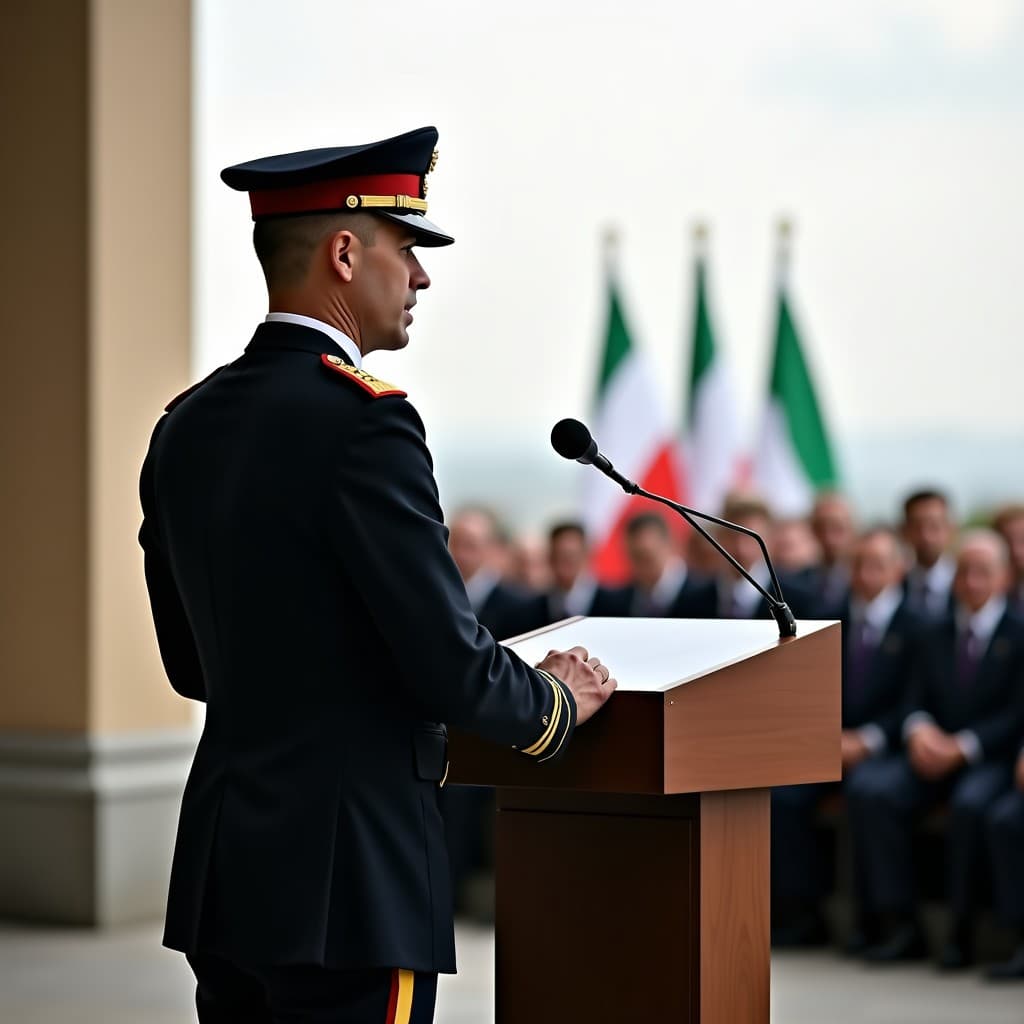
According to Politico, the National Future party, led by firebrand ex-paratrooper General Roberto Vannacci, is rapidly gathering support and attracting defectors from the governing coalition. The emergence of Vannacci as a political force marks a significant realignment within Italy's right-wing landscape, presenting Prime Minister Giorgia Meloni with a strategic dilemma: whether to embrace the general's movement or distance herself from it as the 2027 election approaches.
The first effect of Vannacci's rise, Politico reported, is that he is crushing one of Meloni's key coalition allies. This fracturing of the centre-right bloc complicates the arithmetic of Italian governance at a moment when the coalition has already faced internal tensions over economic policy and Europe's hardening migration stance. The timing is significant: with a general election now less than a year away, defections to a rival right-wing force could reshape the balance of power within Meloni's government.
Vannacci, a decorated military figure and former commander of operations, has positioned his party as a more combative alternative within Italy's far-right ecosystem. The appeal appears to be drawing support from voters and politicians who view Meloni's pragmatism—particularly her alignment with NATO and the European Union—as a betrayal of harder-line nationalist principles. Politico's reporting suggests that National Future's momentum is forcing Meloni to recalibrate her coalition strategy before the election.
For Italy's foreign policy establishment, the rise of Vannacci carries implications for the country's Atlantic and European relationships. Should Meloni move to absorb National Future into her coalition or electoral alliance, it could signal a further rightward shift in Italian governance at a moment when Rome is navigating complex questions around NATO funding for Ukraine, EU migration policy, and relations with the United States. Conversely, if she rejects the general, she risks losing voters and parliamentary seats to a rival force on her right flank.
The fracturing of the coalition also reflects deeper currents in European politics: the tension between nationalist movements and the constraints of EU and NATO membership. Italy's experience with Vannacci's rise will be watched closely by other European capitals as they assess whether populist and far-right forces are consolidating or fragmenting as the continent heads toward a new electoral cycle.