
BASILICATA
Vatican's schism ripples through southern parishes
Six bishops excommunicated as ultraconservative sect defies Pope Leo; Basilicata's traditionalist communities face rupture
Pietro Lasorsa421 wordsEdition №34Friday, 3 July 2026 — Edition № 34
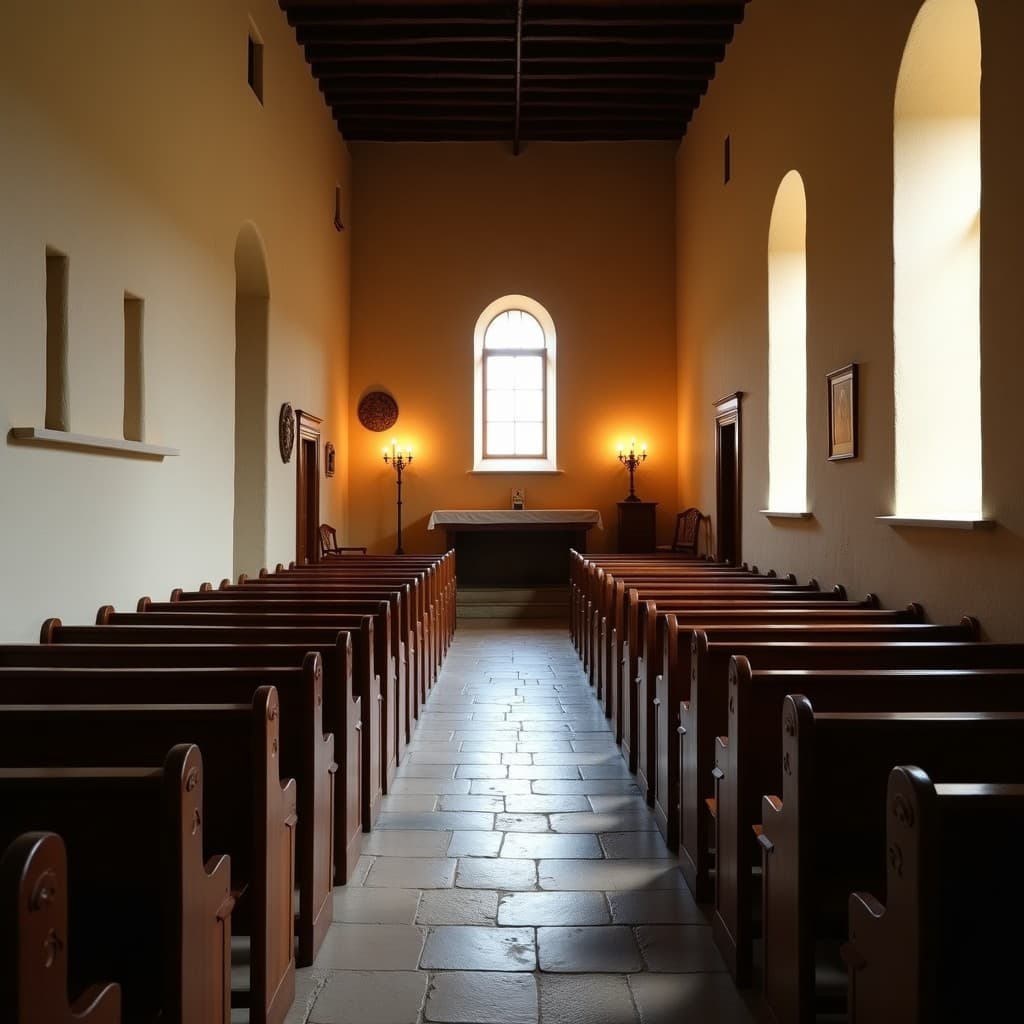
The Vatican excommunicated six bishops from the ultraconservative Society of St. Pius X on Thursday, according to the BBC and France 24, after the group consecrated four new bishops in open defiance of Pope Leo XIV's direct plea for unity. The decree warned that lay believers who "formally adhere" to the breakaway Catholic fraternity would face automatic excommunication as well. The move marks the first major crisis of Pope Leo's papacy and represents a formal schism between Rome and a traditionalist movement that has resisted the reforms of the Second Vatican Council.
The Society of St. Pius X, which claims around 600,000 followers globally according to the BBC, has long denied key tenets of modern Catholic doctrine. The group's defiance came after decades of tension with the Vatican over the use of the Latin Mass, clerical celibacy and other liturgical practices. The Washington Post reported that the bishops consecrated by the sect acted against explicit papal instruction, forcing the Vatican's hand into what amounts to a formal ecclesiastical break.
In Basilicata, where Catholic practice remains woven into the fabric of villages and small towns, the excommunication carries particular weight. The region's sparse interior—towns like Matera and Potenza—has long harboured traditionalist communities who favour the Latin Mass and pre-conciliar forms of worship. France 24 reported that the Vatican's decree applies not only to the six bishops but extends a threat to any lay member who formally adheres to the society, effectively creating a two-tier Catholicism in parishes where traditionalist and mainstream congregations have coexisted uneasily.
The schism also raises questions about the future of Catholic institutional life in the South. Basilicata's demographic decline—the region has lost population steadily for decades—has already strained parish structures and priestly vocations. The excommunication of traditionalist communities could further fragment what remains of local Catholic institutional capacity, particularly in villages where the traditionalist movement has maintained its own schools, seminaries and social networks. The BBC noted that the Society claims to operate independently across Europe, suggesting that the rupture will be felt unevenly across Italian dioceses.
Foreign coverage has framed the excommunication as Pope Leo's defining test of authority. The New York Times and France 24 both emphasised that the Vatican's move represents a hardening of papal discipline after years of negotiation. For Basilicata's traditionalist faithful—a minority but a visible one in a region where religious practice remains culturally significant—the decree closes off any remaining path to reconciliation within the institutional Church. The consequence is a formal split that will reshape how traditionalist communities in the South relate to Rome.