
PIEMONTE
Vatican schism fractures Catholic faith in northern Italy
Excommunication of ultra-conservative SSPX sect leaves Piemonte parishes divided as Pope Leo faces first doctrinal crisis
Lorenzo Ferraris487 wordsEdition №36Sunday, 5 July 2026 — Edition № 36
The Vatican excommunicated all members of the ultra-conservative Society of Saint Pius X (SSPX) on July 2, according to the BBC and the Guardian, marking the first major doctrinal rupture under Pope Leo. The move came after the group ordained four bishops without papal consent, an act that violated centuries of Church discipline. The BBC reported that around 600,000 followers globally are affected by the excommunication, though the New York Times noted that many of the sect's priests' followers have refused to renounce them.
In Piemonte, where Catholic tradition runs deep and ultraconservative parishes maintain strong followings in rural areas and in Turin's older working-class districts, the schism has created immediate pastoral confusion. The Guardian reported that the Vatican's watchdog authority imposed the excommunication as a disciplinary measure against the breakaway group, which denies key tenets of the modern Catholic Church. France 24 characterised the rupture as presenting "the first crisis" for Pope Leo, underlining the gravity of the split.
The excommunication does not automatically dissolve the SSPX's institutional presence or its parishes. Rather, it creates a canonical limbo: followers who "formally adhere" to the fraternity face the same penalty, according to France 24, but enforcement depends on local bishops' willingness to police adherence. In Piemonte, where some SSPX chapels have operated for decades, this ambiguity leaves priests and congregants in a state of suspended defiance.
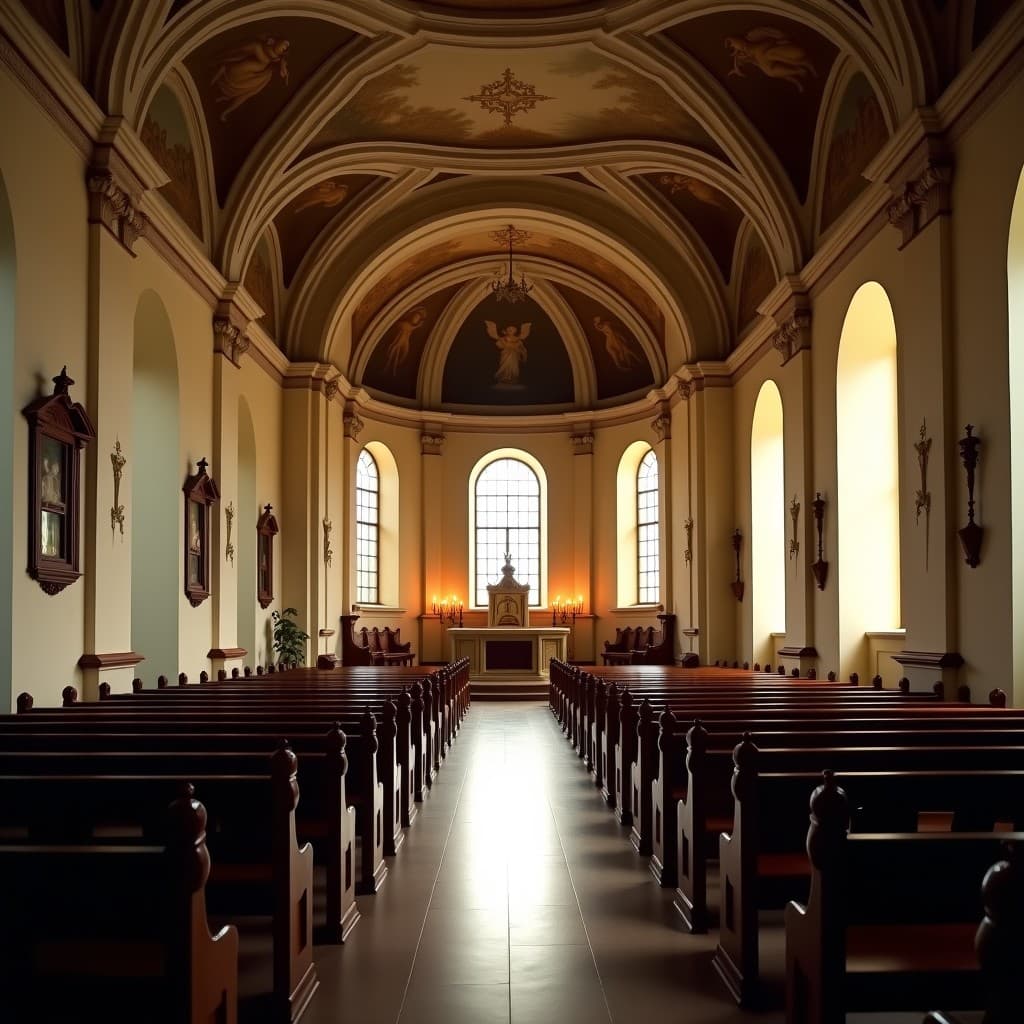
The SSPX schism carries particular weight in Piemonte because the region's Catholic identity, forged during the Counter-Reformation and the Savoy era, has always contained a traditionalist current. Turin's cathedral, the Duomo, and the numerous baroque chapels across the region embody a pre-Vatican II aesthetic that appeals to the sect's followers. The Vatican's excommunication therefore strikes at a community that sees itself as defending authentic Catholic practice against what it views as the Church's modernisation.
France 24 reported that the SSPX denies key tenets of the modern Catholic Church, including the reforms of the Second Vatican Council (1962–65), which fundamentally reshaped Catholic liturgy and doctrine. The Guardian noted that the bishops were ordained "without papal consent," a direct challenge to papal authority that Pope Leo could not tolerate. Yet the New York Times observed that many followers have refused to renounce their priests, suggesting that excommunication alone may not dissolve the sect's hold on its adherents.
For Piemonte's diocesan bishops and parish priests, the schism creates a practical crisis. Families divided between mainstream Catholic parishes and SSPX chapels now face the question of whether to sever ties. The BBC's report that the excommunication extends to lay believers who formally adhere to the group means that local bishops must now decide whether to enforce the penalty or tacitly tolerate continued worship in SSPX spaces. In a region where religious life remains woven into civic identity, this disciplinary vacuum could fester for months or years.
The timing of the excommunication, just days before Pope Leo's July 4 visit to Lampedusa to defend migrants and rebuke anti-immigrant rhetoric, underscores a tension within his papacy: an openness to doctrinal dialogue on social questions paired with an unwillingness to compromise on institutional discipline. The SSPX rupture reveals the limits of that balance.