
EMILIA-ROMAGNA
Vatican excommunicates ultraconservative bishops; Emilia faithful face rupture
Schism from Society of Saint Pius X tests Pope Leo's authority and regional Catholic unity
Giulia Benati519 wordsEdition №36Sunday, 5 July 2026 — Edition № 36
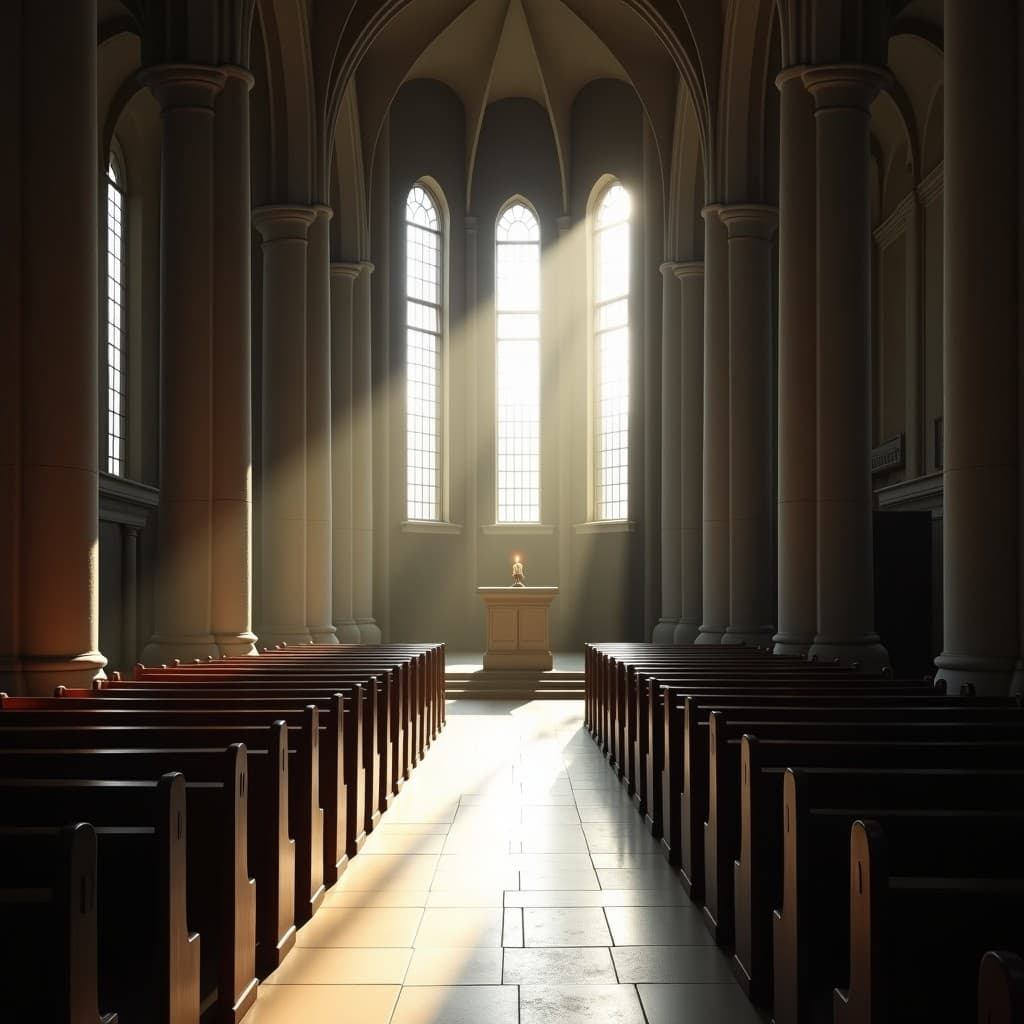
The Vatican's excommunication of the Society of Saint Pius X (SSPX) represents the first significant ecclesiastical rupture under Pope Leo's leadership. According to the Guardian and France 24, the Vatican excommunicated six ultraconservative bishops from the group on Thursday after they were ordained without papal consent. The BBC reported that around 600,000 followers of the SSPX worldwide are affected by the disciplinary action, which extends to any lay believers who "formally adhere" to the fraternity. The New York Times noted that many of the priests' followers have refused to renounce them, suggesting the excommunication will not automatically dissolve the schism.
The SSPX has long rejected key tenets of modern Catholic doctrine, particularly the reforms of the Second Vatican Council in the 1960s. The group's resistance to liturgical modernization and its rejection of papal authority have made it a persistent challenge to Rome's governance. By moving to excommunicate the entire membership rather than merely the ordained bishops, Pope Leo has signaled an uncompromising stance on obedience and doctrinal unity. France 24 framed the action as a symbolic rebuke to traditionalist factions within the global Church that resist the Pope's direction.
For Emilia-Romagna, a region with deep Catholic roots and a history of civic religious engagement, the schism carries local consequences. The region's cooperative tradition and welfare model have historically drawn strength from Catholic social teaching, and its parishes remain centers of community life. The excommunication will force local Catholics to choose between loyalty to Rome and sympathy for traditionalist positions—a rupture that extends beyond theology into the fabric of civic identity.
The SSPX crisis emerged from a fundamental disagreement about Vatican II reforms. The society, founded in 1970 by Archbishop Marcel Lefebvre, maintained that the Council's modernizations—particularly the shift from Latin mass to vernacular worship and the Church's openness to ecumenism—represented a betrayal of Catholic tradition. The group established its own seminaries, ordained its own priests and bishops, and built a global network of followers who rejected what they saw as the progressive direction of the post-Council Church.
Pope Leo's decision to excommunicate the entire membership reflects a harder line than some of his predecessors took. The Guardian reported that the breakaway group had previously existed in a state of "imperfect communion" with Rome—technically outside the Church but not formally excommunicated. By moving to full excommunication, Pope Leo has eliminated the ambiguity and forced a clear schism. The New York Times noted that this strategy risks deepening the divide, as it removes any pathway for reconciliation that does not require the SSPX to capitulate entirely on liturgical and doctrinal matters.
In Emilia-Romagna, where Catholicism has historically been intertwined with left-wing civic movements and cooperative enterprise, the excommunication presents a pastoral challenge. The region's Catholic identity is neither uniformly traditionalist nor uniformly progressive; many parishes balance reverence for liturgical tradition with engagement in modern social justice work. The schism forces local bishops and parish priests to address which Catholics in their communities may have sympathies with SSPX positions and to clarify what communion with Rome now requires.
The excommunication also signals Pope Leo's determination to establish clear boundaries early in his papacy. By moving decisively against the SSPX, he demonstrates that his authority over doctrine and discipline is not negotiable, even when a large global following is at stake. For the region's faithful, this clarity may bring relief—an end to ambiguity about where the Church stands—or it may deepen alienation among those who sympathize with traditionalist concerns about the pace and scope of modern reform.