
ESTERO
Vatican faces schism as traditionalist bishops defy Pope
Society of St. Pius X consecrates four new bishops in defiant ceremony, risking formal excommunication
Adriana Sole420 wordsEdition №33Thursday, 2 July 2026 — Edition № 33
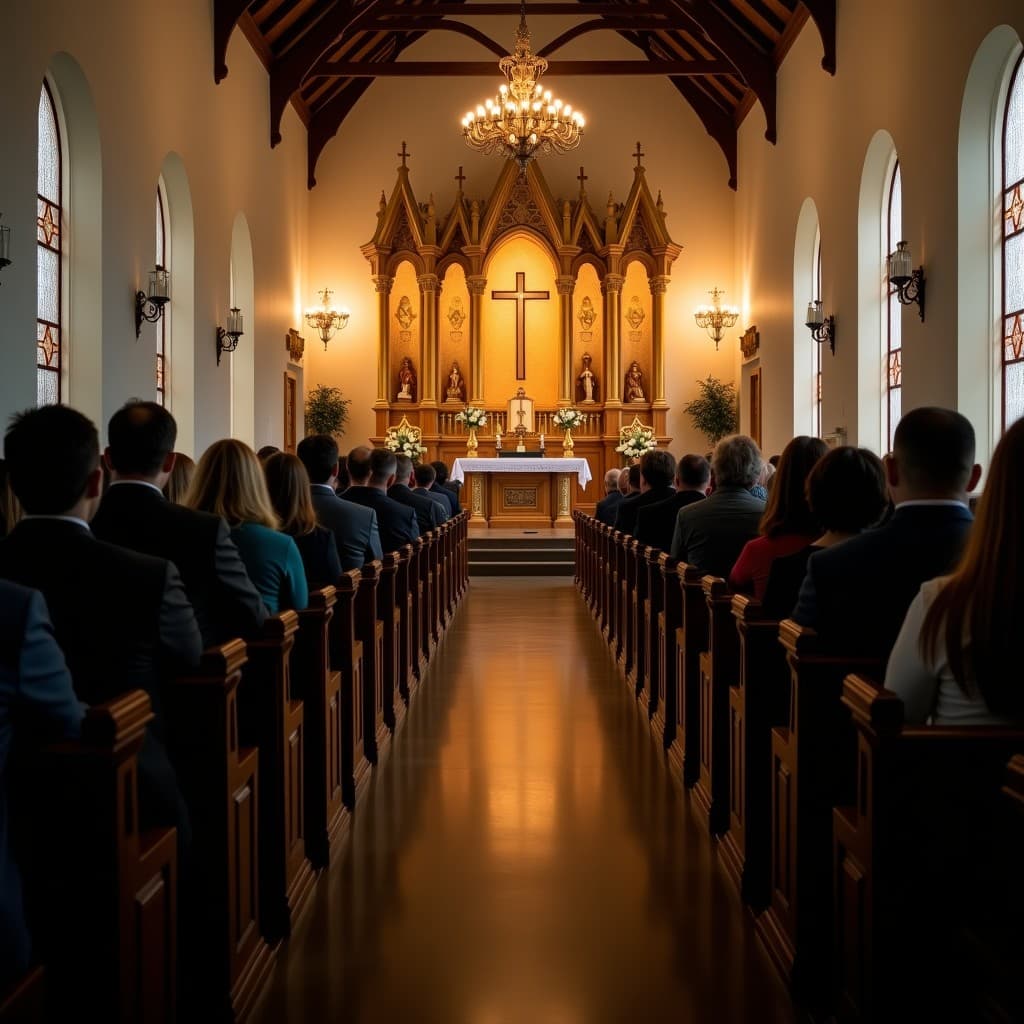
The Society of St. Pius X held a ceremony in a Swiss village on Wednesday in which two of its remaining bishops consecrated four new ones, directly defying Pope Leo XIV's pleas to abandon what the Vatican has called a "schismatic act." According to the New York Times and Le Monde, all six bishops involved face de facto excommunication as a result. The traditionalist group, which has operated outside full communion with Rome since the 1980s, has grown increasingly defiant of papal authority on matters of doctrine and liturgy.
The Vatican's warnings went unheeded despite explicit appeals from the pontiff. Le Monde reported that thousands of worshippers witnessed the ceremony, underlining the scale of the breakaway movement and its deep roots among conservative Catholic communities across Europe. The New York Times noted that the Society has long rejected the reforms of the Second Vatican Council, particularly the shift from the Latin Mass to vernacular worship, and views itself as defending authentic Catholic tradition against what it sees as modernist corruption.
The consecration marks an escalation in tensions that have simmered for decades. The Society of St. Pius X was founded in 1970 by Archbishop Marcel Lefebvre in opposition to Vatican II reforms. While the group has operated with a degree of tolerance from Rome at various points, formal consecrations of bishops without papal approval cross a canonical line that typically triggers excommunication. The Vatican's use of the term "schismatic act" signals it views this as a fundamental breach of hierarchical authority.
For the Estero desk, the episode carries weight beyond ecclesiastical politics. The Catholic Church remains a recurring presence in international coverage of Italy—its institutional voice, its moral authority on migration and social questions, and its internal governance all touch on Italy's standing in European and global affairs. A visible schism within Catholicism complicates the Church's claim to speak with one voice on issues where Italy's government and the Vatican have aligned or diverged: migration policy, Ukraine, relations with the United States.
The timing is also notable. Pope Leo XIV is scheduled to visit Lampedusa on July 4, according to the Washington Post, to highlight the plight of migrants—a message the pontiff intends as a counterpoint to President Trump's Independence Day rhetoric. A weakened papal authority, fractured by internal defiance, may diminish the symbolic force of that visit and the Church's broader moral standing in debates where Italy must navigate between American and European positions.