
VENETO
Venice's Short-Term Rental Market Faces Sharp Earnings Decline
Profitability down 16% as pandemic recovery stalls; Veneto tourism model under pressure
Tommaso Veronese1,247 wordsEdition №9Tuesday, 9 June 2026 — Edition № 9
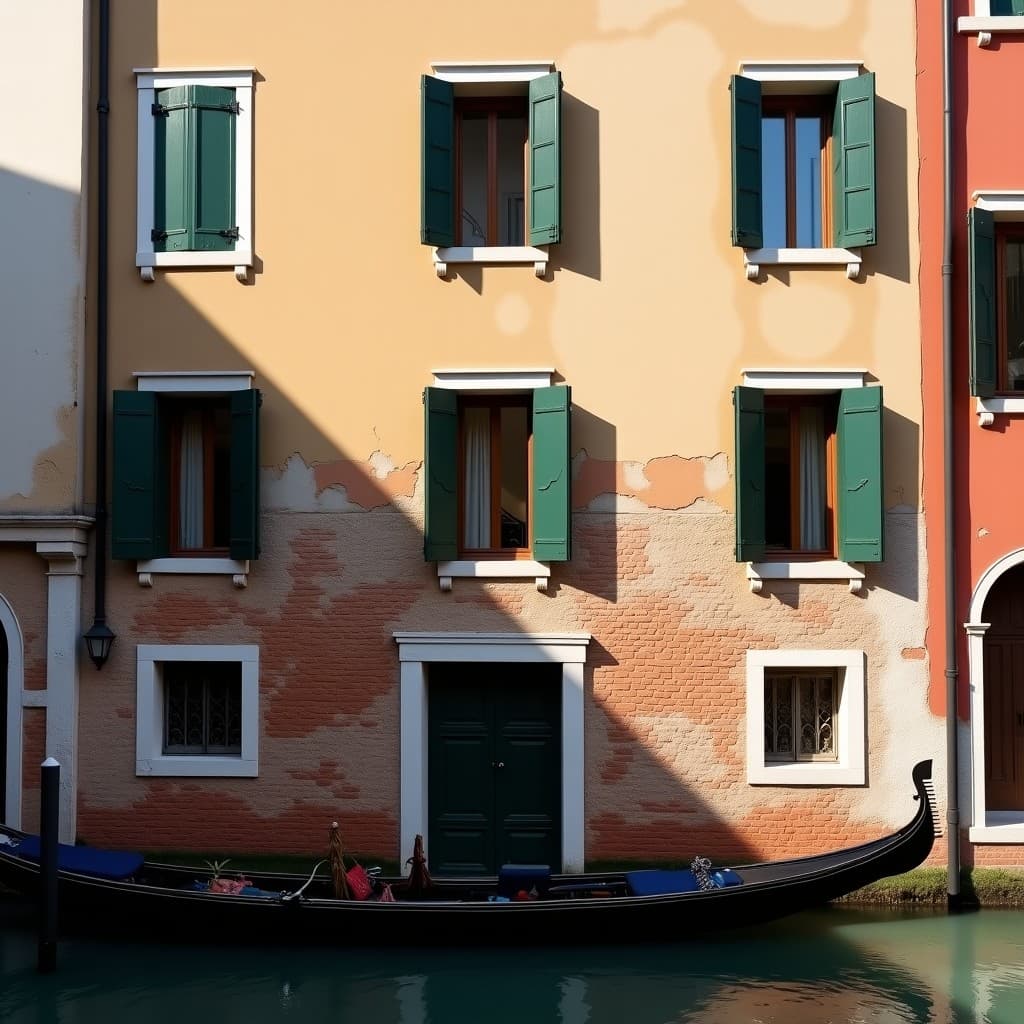
The short-term rental market that revived Venice and the Veneto after the pandemic has begun to falter. According to tourism-review.com, earnings in Italy's rental sector have fallen nearly 16 percent on average, marking a reversal after two years of strong growth. The decline signals mounting pressure on a business model that became central to the region's tourism recovery strategy.
The contraction arrives as Venice grapples with competing pressures: the day-tripper levy introduced to manage overtourism, the ongoing exodus of permanent residents, and now a softening in the rental market that many property owners had relied upon for income. The fall in profitability suggests that the easy gains from pandemic-era demand are exhausted, and the sector faces structural headwinds.
For Veneto's broader economy, the rental downturn carries weight. The region's tourism-dependent districts—from Venice's centro storico to the mainland towns that feed the lagoon's visitor economy—have built recovery narratives around short-term lets as a substitute for traditional hotel revenue. A sustained contraction could reshape how municipalities and property owners approach heritage preservation and housing policy.
The timing of this decline matters. Tourism-review.com's reporting comes as European travel patterns stabilize after the chaotic rebound of 2023 and 2024. The initial surge that followed lockdowns—when pent-up demand and remote work created a rental bonanza—has given way to a more measured market. Prices have risen, competition has intensified, and guests are becoming more selective.
In Venice specifically, the rental market has been the subject of intense scrutiny from the foreign press. The city's resident population has fallen below 250,000 from over 300,000 in the 1980s, a decline the international media has repeatedly attributed to tourism's displacement of permanent housing. Short-term rentals have been cast as both symptom and cause: they generate income for property owners but accelerate the conversion of residential stock into tourist accommodation.
The European Union and UNESCO have both flagged Venice's demographic crisis in recent years. The city's inclusion on UNESCO's at-risk heritage list has been linked, in foreign coverage, to the pressure that mass tourism and short-term rentals place on the urban fabric. A contraction in rental profitability might, paradoxically, ease some of that pressure—but only if property owners choose to return units to long-term residential use rather than simply raising prices to maintain margins.
Across the Veneto region, the rental sector's weakness will test municipal strategies. Florence, as La Veduta reported recently, has begun restricting tourist lets in nine neighbourhoods. Venice itself has not yet imposed such caps, though the city council has discussed the possibility. A falling rental market may reduce the urgency of such measures, but it also signals that the market itself is beginning to correct—a slower, messier process than regulation.
The 16 percent decline also reflects a broader shift in European tourism. According to tourism-review.com, the conditions facing short-term rentals have 'turned tougher,' a phrase that encompasses rising operational costs, increased regulation, and changing guest preferences. Veneto's export-driven economy has weathered similar cycles before; the region's small-firm districts have adapted to market downturns by consolidating, innovating, or shifting product mix. The rental sector will likely follow a similar pattern.
For Venice's municipal finances, the stakes are high. The city has relied on tourism revenue—both direct (hotel taxes, entrance fees) and indirect (spending by day-trippers and overnight visitors)—to fund restoration and maintenance of its unique infrastructure. The lagoon's MOSE flood barriers, the basilicas, the bridges: all depend on a tourism economy that generates sufficient tax revenue. A sustained contraction in short-term rental income could reduce the total spending power of visitors and, by extension, the tax base available for heritage preservation.
The regional lens matters here because Veneto's tourism economy is not monolithic. Venice draws international day-trippers and wealthy overnight guests; the Prosecco hills attract wine tourists; the Palladian villas draw architecture enthusiasts; the Biennale brings art collectors and critics. Short-term rentals serve all these markets, but they are not equally important to each. A decline in rental profitability may hit Venice harder than the mainland towns, where traditional hotel and agriturismo models remain stronger.
Tourism-review.com's reporting does not specify whether the decline is uniform across Italy or concentrated in particular regions. Venice, as the most saturated market, may have experienced sharper falls than less-visited areas. The foreign press has long treated Venice as the test case for European overtourism; a contraction in its rental market could be read as either a cautionary tale or a sign that the market is self-correcting.
The question now is whether the decline stabilizes at a new, lower equilibrium or accelerates into a broader retreat. If owners respond by raising prices to maintain income, the market may shrink further as guests defect to hotels or other destinations. If they accept lower returns and shift units back to long-term rental or owner-occupation, the city's housing crisis might ease—though slowly.
The foreign press has not yet fully grasped the implications of this rental contraction for Venice's future. International coverage has focused on overtourism and resident flight as separate crises; the rental market's weakness suggests they are linked. As profitability falls, some owners may indeed convert units back to residential use. Others will simply hold property, waiting for the market to recover. The outcome will shape Venice's trajectory for the next decade.