
CULTURA
Venice Biennale stages AI art as artists navigate machine creativity
Holly Herndon and Mat Dryhurst's installation tests the boundary between human and algorithmic creation at the world's premier contemporary art festival.
Eleonora Vanzetti387 wordsEdition №38Tuesday, 7 July 2026 — Edition № 38
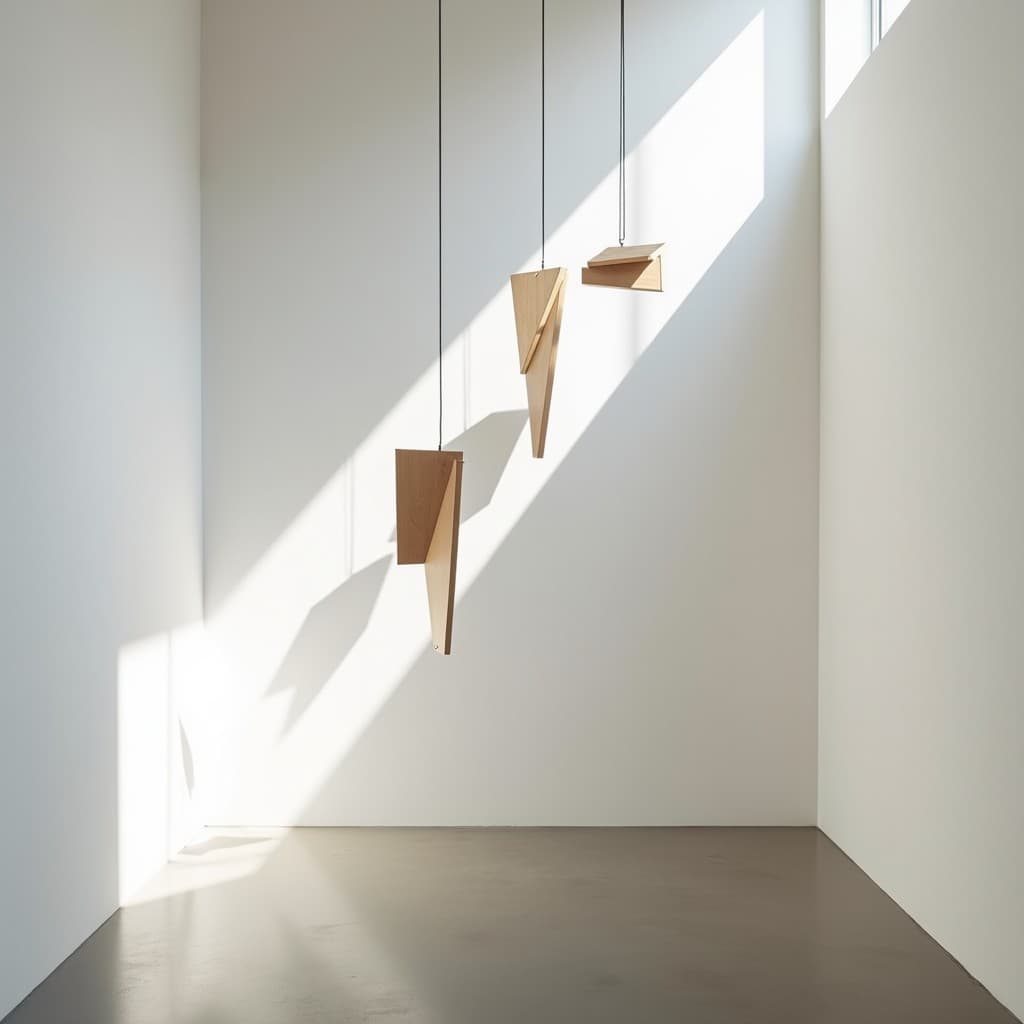
The 2026 Venice Biennale will feature an installation by Holly Herndon and Mat Dryhurst that uses artificial intelligence to generate visual elements, according to the Atlantic. The artists faced practical challenges in executing their vision of suspended sculptures depicting a digitally imagined cityscape, turning to machine learning to solve compositional problems. Their approach reflects a broader shift among contemporary artists who are testing whether AI can serve as a collaborator rather than a threat to human creativity.
The Atlantic's reporting suggests that Herndon and Dryhurst believe the future of AI in art need not be one of aesthetic decline. Rather than dismissing algorithmic output as mere computational slop, they are experimenting with ways to integrate machine-generated forms into deliberately crafted installations. The Venice Biennale, as the world's most prestigious contemporary art exhibition, has become a testing ground for these new creative partnerships.
Venice has long positioned itself as a space where artists confront the technologies and ideas of their moment. The Biennale's history includes early digital art installations, video works, and interactive pieces that once seemed experimental but are now canonical. Herndon and Dryhurst's engagement with AI fits this tradition, though it raises questions that the Atlantic does not fully resolve: what constitutes authorship when algorithms contribute to the final form, and how do viewers experience art that has been partly generated by systems trained on millions of existing images.
The installation comes as AI tools have proliferated across creative industries, from music composition to visual design. Herndon, who is also a musician and sound artist, has previously explored the intersection of technology and artistic expression. Her collaboration with Dryhurst on this Biennale work suggests that serious artists are not abandoning human judgment in favour of automation, but rather interrogating what collaboration with machines might mean. The Atlantic frames this as a counterpoint to fears that AI will render human creativity obsolete, though it does not claim that the question has been settled.
The Venice Biennale runs alongside the Venice Film Festival and other cultural events that position the Venetian lagoon as a global stage for artistic innovation. Whether Herndon and Dryhurst's experiment will influence how institutions and audiences think about algorithmic creativity remains to be seen. The Atlantic's reporting suggests that the artists themselves see this as an ongoing conversation rather than a solved problem.