
CULTURA
Venice Biennale Roiled by Artists' Legal Threats Over Visitor Voting
More than 100 participants demand removal from ballot as Russia's return and jury absence spark unprecedented discord
Eleonora Vanzetti418 wordsEdition №12Thursday, 11 June 2026 — Edition № 12
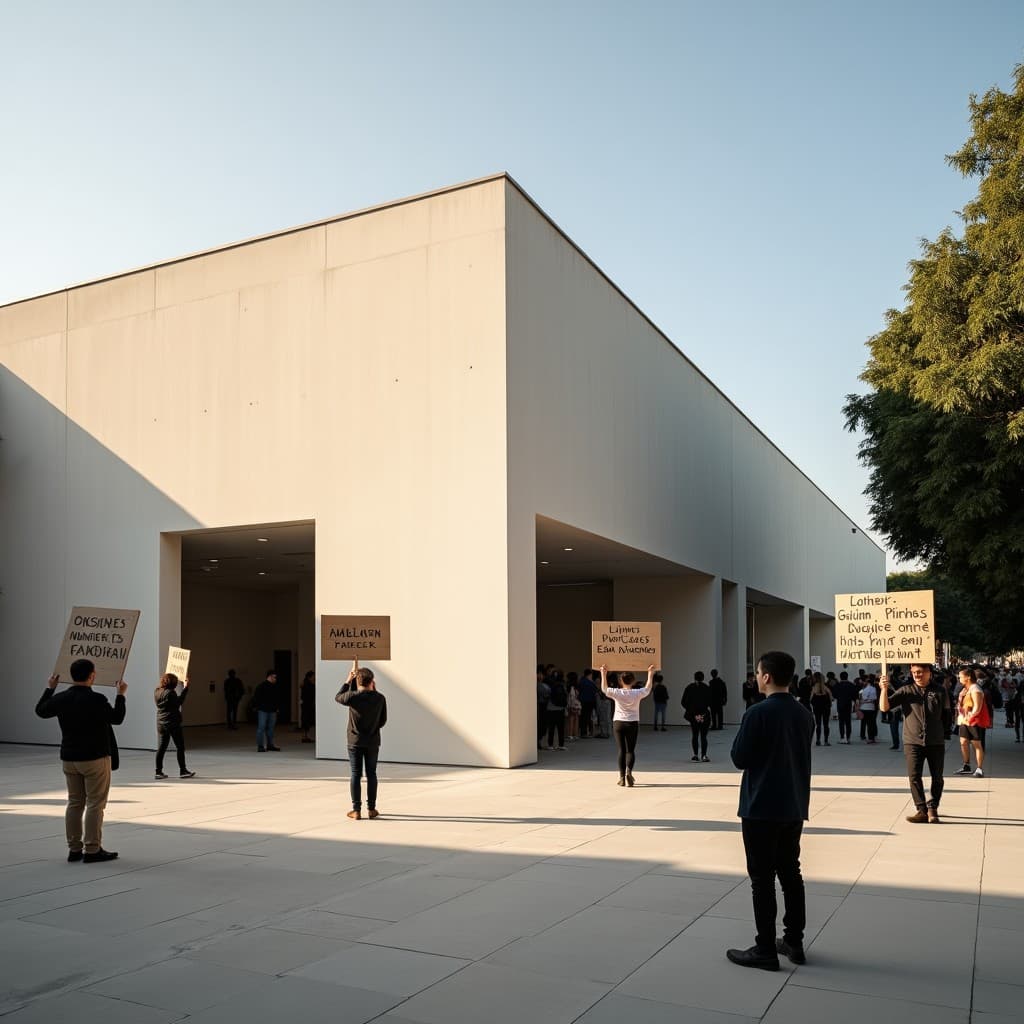
The Venice Biennale, founded in 1846 as a premier stage for international cultural exchange, is experiencing its most contentious edition in recent years. According to The Art Newspaper, more than 100 artists participating in the exhibition posted a statement on June 3 demanding removal from visitor-voted awards after the Biennale failed to act on repeated requests. The artists, drawn from the *In Minor Keys* exhibition and various national pavilions, have now threatened legal action to compel the institution to honour their wishes.
The discord stems partly from the Biennale's decision to replace a traditional jury system with visitor voting to award the prestigious Golden Lions. This structural change has collided with geopolitical tensions: Russia's return to the Biennale after a two-year absence following its 2022 invasion of Ukraine has ignited protests from Pussy Riot and FEMEN activists, as reported by Newser. According to Haaretz, Russia has set up a non-stop party featuring regime-compliant musicians as part of a compromise that bars live performance, a move critics describe as propaganda masked as art.
The crisis reflects a deeper institutional tension. Clarissa Ricci, quoted by STIRworld, notes that the Biennale has long deployed rhetoric of neutrality—a posture dating to 1931 under Benito Mussolini—to sidestep difficult questions about who participates and on what terms. That neutrality, she argues, becomes untenable under the spectre of geopolitical war. The absence of a jury to make curatorial judgments has left the institution vulnerable to both artistic protest and political controversy, forcing it to navigate competing claims of artistic freedom, institutional integrity and international relations.
The Biennale's predicament illuminates a broader challenge facing major cultural institutions in Europe. By abandoning expert adjudication for democratic voting, the Biennale sought to democratise its most prestigious award. Instead, according to AP News, the shift has exposed the institution to pressure from multiple directions: artists who object to being evaluated by untrained visitors; activists demanding political accountability; and a Biennale leadership forced to negotiate compromises that satisfy no one.
For Venice and the Veneto region, the Biennale remains a cultural and economic anchor. The exhibition draws international attention to the city and generates significant tourism and media coverage. Yet the 2026 edition has become a case study in how cultural prestige can be compromised when institutional processes fail to anticipate or manage ideological conflict. The legal threats from artists suggest that the Biennale may face not only reputational damage but also costly litigation if it does not resolve the dispute.
The foreign press has framed this year's Biennale as a test of whether a major international art institution can maintain credibility in a polarised world. The outcome will likely shape how other European museums and festivals approach questions of artistic participation, political speech and institutional neutrality in the years ahead.