
CULTURA
Venice Biennale faces legal threat from 100+ artists over awards dispute
Participants demand removal from visitor-voted prizes; organisers accused of ignoring repeated requests
Eleonora Vanzetti1,247 wordsEdition №8Monday, 8 June 2026 — Edition № 8
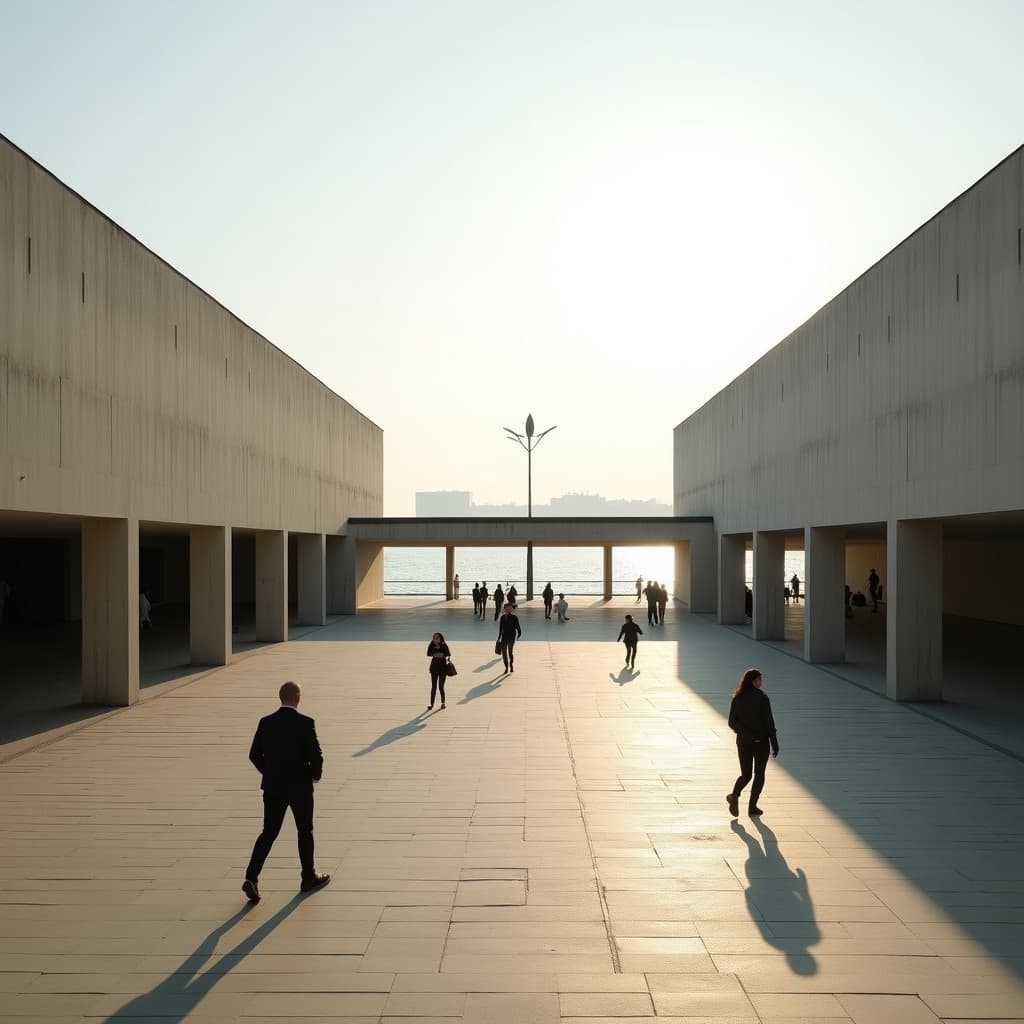
More than 100 artists participating in the 61st Venice Biennale have accused organisers of ignoring repeated requests to remove them from visitor-voted awards and have threatened legal action over the dispute. According to The Art Newspaper, artists from the Biennale's In Minor Keys exhibition and various national pavilions posted a statement on e-flux on 3 June expressing disappointment that the Biennale had failed to act on their concerns.
The legal threat marks an escalation in tensions at an exhibition already marked by political controversy. Earlier in June, Pussy Riot and FEMEN activists protested Russia's return to the Biennale after its absence following the 2022 invasion of Ukraine, chanting and releasing coloured smoke bombs in front of the Russian pavilion, according to Newser. The group later released a music video titled DISOBEY as part of their protest campaign, Artnet News reported.
The artists' complaint centres on a structural problem: the Biennale's inclusion of their work in visitor-voted prizes without their consent or ability to opt out. The dispute reflects broader questions about consent, curation and the role of public participation in art world governance—issues that have become more acute as major exhibitions attempt to democratise their selection processes.
The Venice Biennale, held every two years in the lagoon city, is one of the world's oldest and most prestigious contemporary art exhibitions. Founded in 1895, it has long served as a barometer of global artistic trends and a platform where national pavilions showcase their countries' contemporary practices. The 2026 edition, however, has become a focal point for disputes that extend beyond traditional curatorial disagreements.
The artists' legal threat, reported by The Art Newspaper on 4 June, signals frustration with what they view as a lack of agency in how their work is presented and evaluated. The visitor-voted awards system, designed to engage the public in the selection process, has instead created a situation where participating artists feel their work is being used without their control or explicit agreement. This tension between democratisation and artistic autonomy has become increasingly visible in major international exhibitions.
The Biennale's 2026 edition has already drawn international attention for its political dimensions. Pussy Riot's protest on the opening day, as documented by Newser and Artnet News, represented a direct challenge to the decision to allow Russia to participate after its military invasion of Ukraine in 2022. The group's subsequent release of a music video for their song DISOBEY, featuring footage from the protest, extended the conversation beyond the exhibition itself and into the realm of popular culture.
Venice's status as a global cultural capital has made it a natural site for such contestations. The city hosts not only the Biennale but also the Venice Film Festival, making it a dual hub for contemporary art and cinema. However, this prominence also means that disputes at the Biennale carry weight beyond the art world itself, affecting the city's international reputation and its relationship with the global cultural economy.
The artists' action reflects a pattern seen across major international exhibitions in recent years: growing scrutiny of governance structures, curatorial decisions and the mechanisms by which work is selected and presented. Museums and biennales worldwide have faced pressure to become more transparent about their decision-making processes and more responsive to the concerns of participating artists.
The timing of the legal threat is significant. It comes at a moment when the art world is reassessing its relationship with political participation and protest. The Pussy Riot demonstration showed that the Biennale remains a space where political statements can be made with global reach; the artists' legal action suggests that internal governance disputes are equally important to those who participate in the exhibition.
For Venice specifically, the Biennale represents a crucial economic and cultural asset. The exhibition draws international visitors, media attention and prestige to the city. However, it also raises questions about how the city's cultural institutions balance their role as global platforms with their responsibilities to the artists and communities that participate in them. The current dispute suggests that these institutions may need to reconsider how they structure participation and consent.
The Art Newspaper's reporting indicates that the artists' concerns have been raised multiple times without resolution. This pattern of unheeded requests escalating to legal threats is not uncommon in cultural disputes, but it represents a failure of dialogue that could have been avoided through more responsive governance. The Biennale's organisers now face a choice: engage substantively with the artists' concerns or defend their position in court.
The broader context includes ongoing debates about the role of public participation in art world governance. Visitor-voted awards can democratise the selection process, but they can also create situations where artists feel their work is being evaluated by criteria they did not consent to. The tension between these two values—democratic participation and artistic autonomy—lies at the heart of the current dispute.
International coverage of the Biennale has focused heavily on its political dimensions, particularly Russia's return and the protests it generated. However, the artists' legal action suggests that internal structural problems may be equally significant to the exhibition's future. How the Biennale resolves this dispute could set a precedent for other major international exhibitions facing similar questions about governance and consent.
The dispute also reflects broader shifts in how contemporary art institutions are being held accountable. Social media and platforms like e-flux have made it easier for artists to coordinate and publicise their concerns, while also raising expectations that institutions will respond quickly and transparently to criticism. The Biennale's apparent failure to do so has now escalated the situation to a legal level.
For the culture sector more broadly, the Venice Biennale dispute underscores the importance of clear governance structures and responsive leadership. As major exhibitions attempt to balance inclusivity, artistic integrity and public engagement, they must also ensure that the mechanisms they use to achieve these goals do not undermine the agency and consent of the artists who participate in them. The outcome of this dispute will likely influence how other institutions approach similar questions in the years ahead.