
CULTURA
Inside the Venice Biennale: Curators Break Their Silence
A new oral history reveals the money struggles and creative tensions behind the world's largest art exhibition.
Eleonora Vanzetti1,247 wordsEdition №4Thursday, 4 June 2026 — Edition № 4
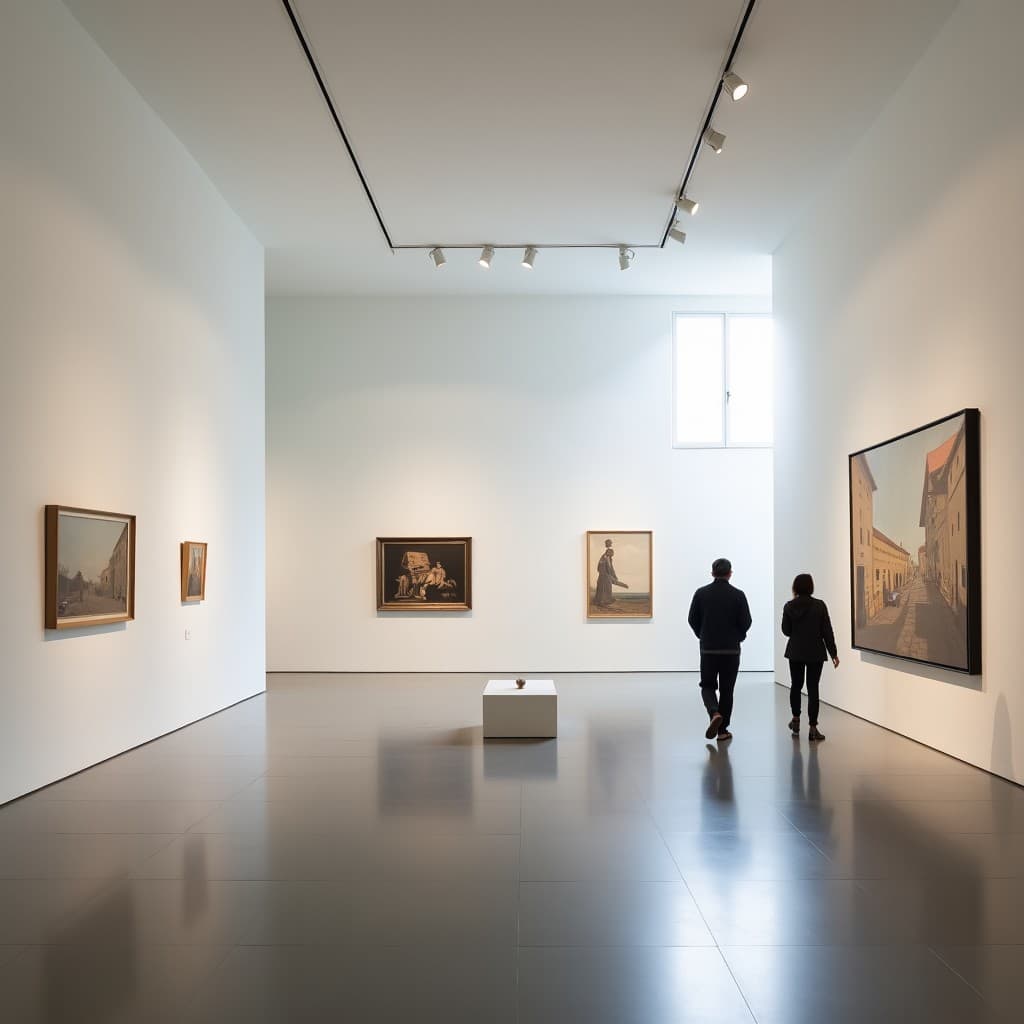
The Venice Biennale, one of the world's most prestigious art exhibitions, operates under conditions that few outside the art world understand. According to Artnet News, a new oral history titled *High Waters: An Oral History of the Venice Biennale* (published by JRP Editions) draws together interviews with 16 of the 17 curators who have led the exhibition's main show since 1993. The book reveals the financial pressures, institutional constraints and creative decisions that define the role—a position Artnet compares to winning the American presidency.
The Biennale, which runs biennially from May through November, attracts hundreds of thousands of visitors and shapes the global contemporary art conversation. Yet the curators who select the artists, design the thematic framework and decide which works appear in the Giardini and Arsenale spaces have rarely discussed their experiences publicly. The new volume breaks that silence, offering what Artnet calls a "thrilling" behind-the-scenes account of how the exhibition is conceived and executed.
The comparison to presidential election cycles is telling: since 1993, five U.S. presidents have served while 17 different curators have held the Biennale's top curatorial post. The rapid turnover reflects both the prestige of the role and its intensity. The book's interviews suggest that financial constraints and time pressure are constant companions to the creative process—factors that shape not only which artists are chosen but how their work is presented to the world.
The Venice Biennale's curatorial position has become, in the foreign press's framing, a pinnacle of cultural influence. Artnet News describes the role as roughly equivalent to winning high elected office, a comparison that underscores the exhibition's reach: the Biennale's curatorial choices ripple through the global art market, influence museum acquisitions, and shape which artists gain international prominence. The oral history project captures voices that have previously remained largely private, offering curators a platform to discuss the mechanics of taste-making at the highest level.
Financial constraints emerge as a recurring theme in the coverage. Artnet notes that "money is short, and the clock is ticking"—a statement that reflects the real-world pressures curators face when assembling an exhibition of this scale. The Venice Biennale operates across two main venues: the Giardini, a sprawling public garden that houses national pavilions and the central exhibition space, and the Arsenale, a vast former shipyard complex also used for exhibitions. Coordinating artists, securing works, managing logistics and maintaining artistic vision within budgetary limits requires negotiation and compromise at every stage.
The Biennale's cultural importance to Italy extends beyond prestige. As the world's largest contemporary art exhibition, it draws international collectors, curators, critics and art-world professionals to Venice each year. The event generates significant tourism revenue for the city and the Veneto region, though foreign coverage has increasingly noted the strain that mass tourism places on Venice's fragile infrastructure. The Biennale is among the cultural anchors that justify Venice's position as a global destination, competing with other major art fairs and biennales worldwide.
The timing of this oral history publication is significant. The 61st Venice Biennale opened in May 2026 and runs through November, meaning the book arrives while the current exhibition is still on view. According to The Art Newspaper, the 2026 Biennale has already generated considerable international attention, including a high-profile protest by Pussy Riot at the Russian pavilion—an incident that speaks to the Biennale's role as a stage for geopolitical and social commentary. The curators' reflections on their own experiences thus arrive as the art world watches the current iteration unfold.
The book's focus on 16 curators spanning more than three decades allows for a historical perspective on how the Biennale has evolved. The foreign press has long noted that the Biennale reflects broader shifts in contemporary art: the rise of identity politics, the increasing prominence of non-Western artists, debates over representation and inclusion, and the tension between commercialism and artistic integrity. By gathering curators' voices across this period, *High Waters* documents how these shifts have shaped the exhibition itself.
Artnet's coverage emphasizes the "thrilling" nature of the accounts, suggesting that curators have been candid about the pressures and conflicts inherent in the role. The comparison to presidential politics is apt in another sense: curators must navigate institutional politics, balance competing interests (artists, sponsors, national governments via pavilions, the Biennale's own board), and make decisions that will be scrutinized by critics and art historians for decades. The oral history format allows curators to speak directly about these tensions rather than through the filtered language of official press releases.
The publication of this book also reflects a broader trend in the international art press: increased interest in the behind-the-scenes workings of major institutions. Museums, galleries, biennales and art fairs have become subjects of journalistic scrutiny in their own right, with critics and reporters examining not just the art on display but the structures, funding and decision-making processes that bring exhibitions into being. *High Waters* fits into this emerging genre of institutional critique and transparency.
For the Cultura bureau, the Biennale remains central to how the world perceives Italian culture. Venice itself has become almost synonymous with contemporary art excellence in the global imagination, even as the city struggles with overtourism and environmental challenges. The Biennale is one of Italy's most significant cultural exports—a biennial event that brings international attention, prestige and economic activity to the country. Understanding how the Biennale is curated, what constraints curators face, and how they navigate competing pressures offers insight into how Italy's cultural institutions operate on the world stage.
The fact that 16 curators have agreed to speak for this project suggests a shift in how the art world regards transparency. Previously, curators may have felt bound by institutional discretion or professional norms that discouraged public discussion of the messy realities behind major exhibitions. The oral history format—collecting voices rather than a single authorial narrative—may have made participation feel less like a breach of protocol and more like a collective act of reflection.
JRP Editions, the publisher, is a Swiss art book publisher known for producing high-quality monographs and exhibition catalogs. Its decision to invest in this oral history project speaks to international publishers' recognition that the Biennale's curatorial history is a subject of genuine scholarly and popular interest. The book will likely circulate widely among art professionals, curators, students and serious collectors—audiences for whom understanding the Biennale's mechanics is directly relevant to their own work.
The Biennale's influence on the global art market cannot be overstated. Works exhibited at the Biennale often see dramatic increases in market value; artists selected for the main exhibition gain international representation and institutional support; and the curatorial vision shapes what collectors, museums and galleries consider important contemporary art. By documenting how curators make these consequential decisions under financial and temporal pressure, *High Waters* illuminates the hidden machinery behind one of the world's most influential cultural institutions.
As the 2026 Biennale continues through November, this oral history will serve as both historical document and real-time commentary on the curatorial process. Readers encountering the book while the current exhibition is on view can compare curators' reflections on past challenges and decisions with the work unfolding in the Giardini and Arsenale. This simultaneity—the book and the living exhibition existing at the same moment—adds another layer to the project's timeliness and relevance.