
VENETO
European Commission demands clarity on Russia's Venice Biennale role
Brussels gives the Biennale Foundation 30 days to resolve sanctions and geopolitical concerns over Russian participation.
Tommaso Veronese376 wordsEdition №15Sunday, 14 June 2026 — Edition № 15
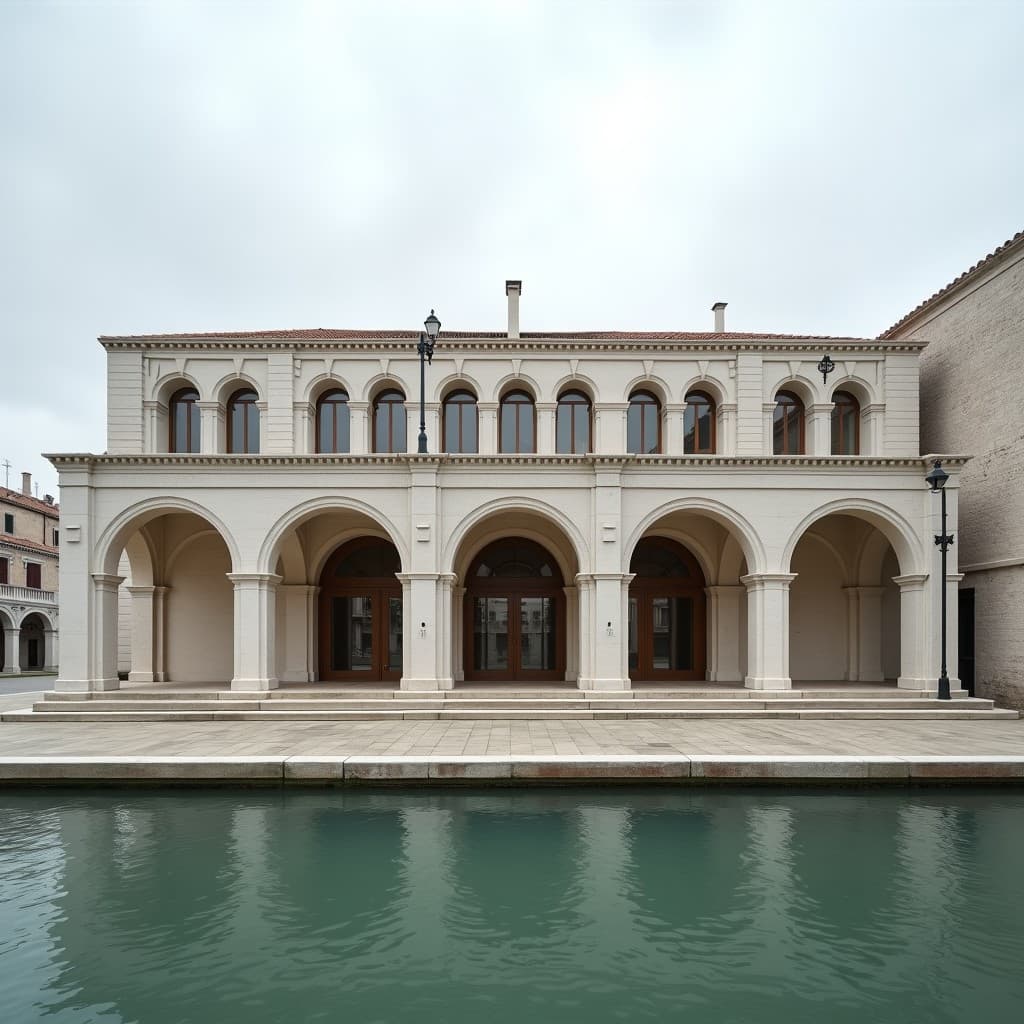
The European Commission has requested further clarifications from the Venice Biennale Foundation regarding Russia's participation in the prestigious biennial art exhibition, Euronews reported on Friday. The Commission stated that issues raised in previous correspondence remain unresolved and has given the Foundation 30 days to respond. The move reflects deepening scrutiny of how major cultural institutions navigate participation during geopolitical tensions and European Union sanctions regimes.
The Biennale occupies a singular position in the global art world—a platform of immense prestige that attracts national pavilions, collectors, and critics from across the planet. Venice's status as a UNESCO World Heritage site and Italy's cultural flagship makes the exhibition a visible stage for questions about cultural diplomacy, sanctions compliance, and the role of art institutions in responding to international conflict. Russia's participation carries particular weight given the ongoing war in Ukraine and the EU's comprehensive sanctions framework.
The Commission's intervention suggests that earlier correspondence between Brussels and the Biennale Foundation did not resolve fundamental concerns. These likely centre on whether Russian participation violates EU sanctions, how Russian artists or institutions are funding their presence, and whether the exhibition adequately addresses the geopolitical context in which it operates. Euronews's report does not detail what those earlier issues were, but the 30-day deadline signals that the Commission views the matter as substantive enough to warrant formal escalation.
For the Biennale itself, the pressure creates a delicate institutional challenge. The exhibition has long positioned itself as a space for artistic expression above politics, drawing artists and curators from across ideological divides. Yet that principle has become increasingly difficult to sustain in an era of weaponised culture and sanctions. How the Foundation responds—whether it seeks exemptions, imposes conditions on Russian participation, or defends unrestricted access—will signal its stance on the relationship between art, geopolitics, and institutional responsibility.
The timing is significant. The next Venice Biennale will take place in 2027, giving the Foundation time to clarify its position before the exhibition opens. The Commission's 30-day window suggests a decision is expected well before then. For Venice, which has positioned itself as a custodian of global culture and a bridge between East and West, the outcome will shape how the city's most prestigious institution is perceived—both within Europe and internationally.