
ESTERO
Venice's new mayor seeks to double day-tripper fee to €50
Proposal aims to manage overtourism during peak seasons as lagoon city grapples with visitor surge affecting infrastructure and residents.
Adriana Sole336 wordsEdition №21Saturday, 20 June 2026 — Edition № 21
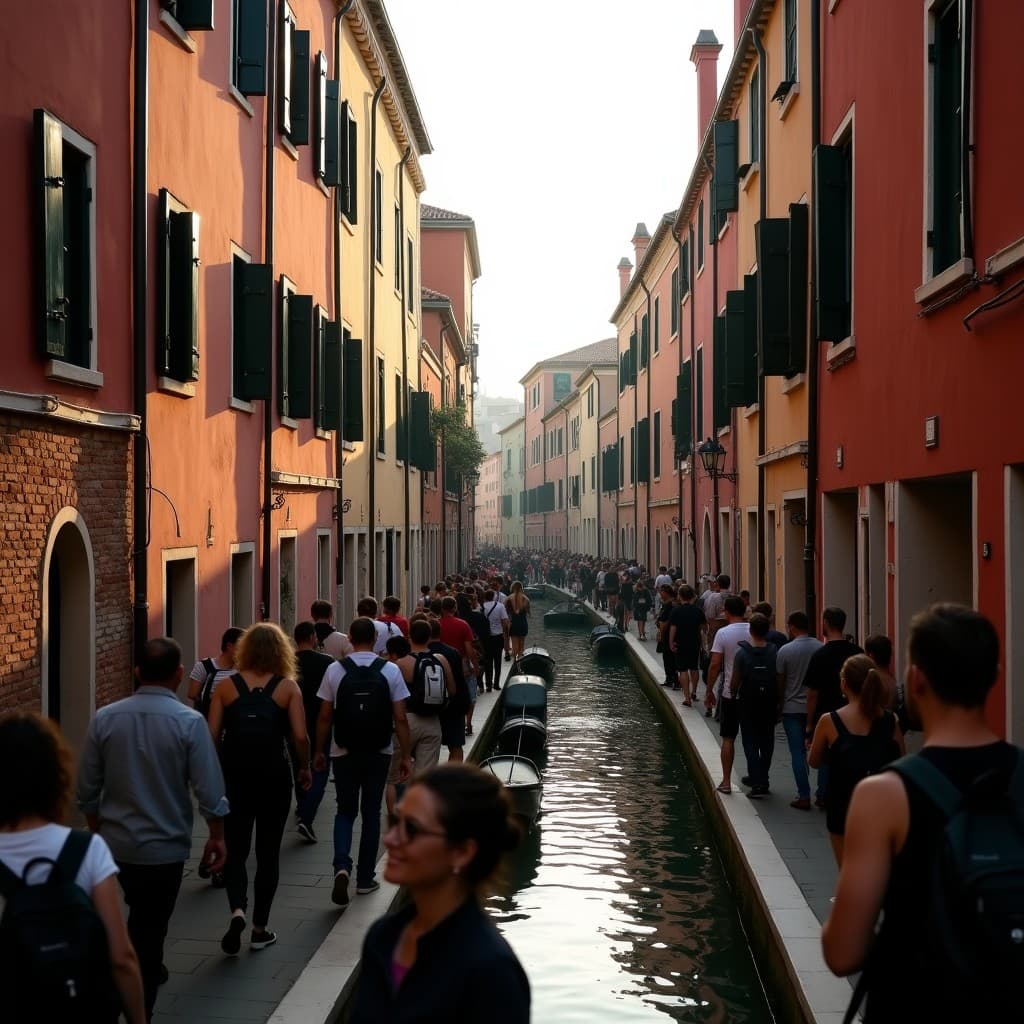
Simone Venturini, Venice's rightwing new mayor and former tourism councillor, announced Friday that he hopes to raise the day-tripper entrance fee to as much as €50 (approximately £43), according to the Guardian. The proposal targets what city officials describe as 'periods of heightened tourist pressure'—essentially the peak summer and holiday seasons when Venice's narrow streets and fragile infrastructure face their greatest strain. Venturini said the higher fee would serve as a deterrent to casual visitors while generating revenue for the city's maintenance and restoration work.
The move reflects a broader European struggle with overtourism in heritage cities. Venice has become a symbol of this tension: the lagoon city receives roughly 30 million visitors annually, with day-trippers vastly outnumbering overnight guests. The infrastructure—medieval drainage systems, wooden pilings, and historic stonework—deteriorates under the weight of foot traffic. Previous mayors have experimented with entrance fees and visitor caps, but enforcement has proven difficult and political resistance from tourism businesses remains strong.
Venturini's proposal sits within Italy's wider struggle to balance economic dependence on tourism with the preservation of cultural assets and liveable communities. The Guardian has reported extensively on how Venice's population has collapsed—from over 175,000 residents in the 1950s to fewer than 50,000 today, as locals are priced out by short-term rentals and commercial pressure. A €50 fee, if implemented, would rank among Europe's highest entry charges for a city centre, comparable to proposals in Barcelona and Amsterdam. The measure would likely face legal and political challenges, particularly from tourism operators and transport companies who depend on high visitor volumes.
For Italy's government and the European Union, Venice's case has become emblematic of a larger question: how to preserve irreplaceable cultural heritage while maintaining the economic benefits tourism provides. The European Commission has cited Venice as a case study in its work on sustainable tourism policy. Venturini's fee proposal, while controversial, signals that Italian city authorities are moving beyond rhetoric toward concrete measures to manage visitor flows—even at the risk of reducing tourism revenue in the short term.