
CULTURA
Venice Festival Names Gyllenhaal Jury President; To, Ben Hania, Sadat Join
Hong Kong, Tunisian and Afghan directors anchor international competition panel for September festival
Eleonora Vanzetti422 wordsEdition №30Monday, 29 June 2026 — Edition № 30
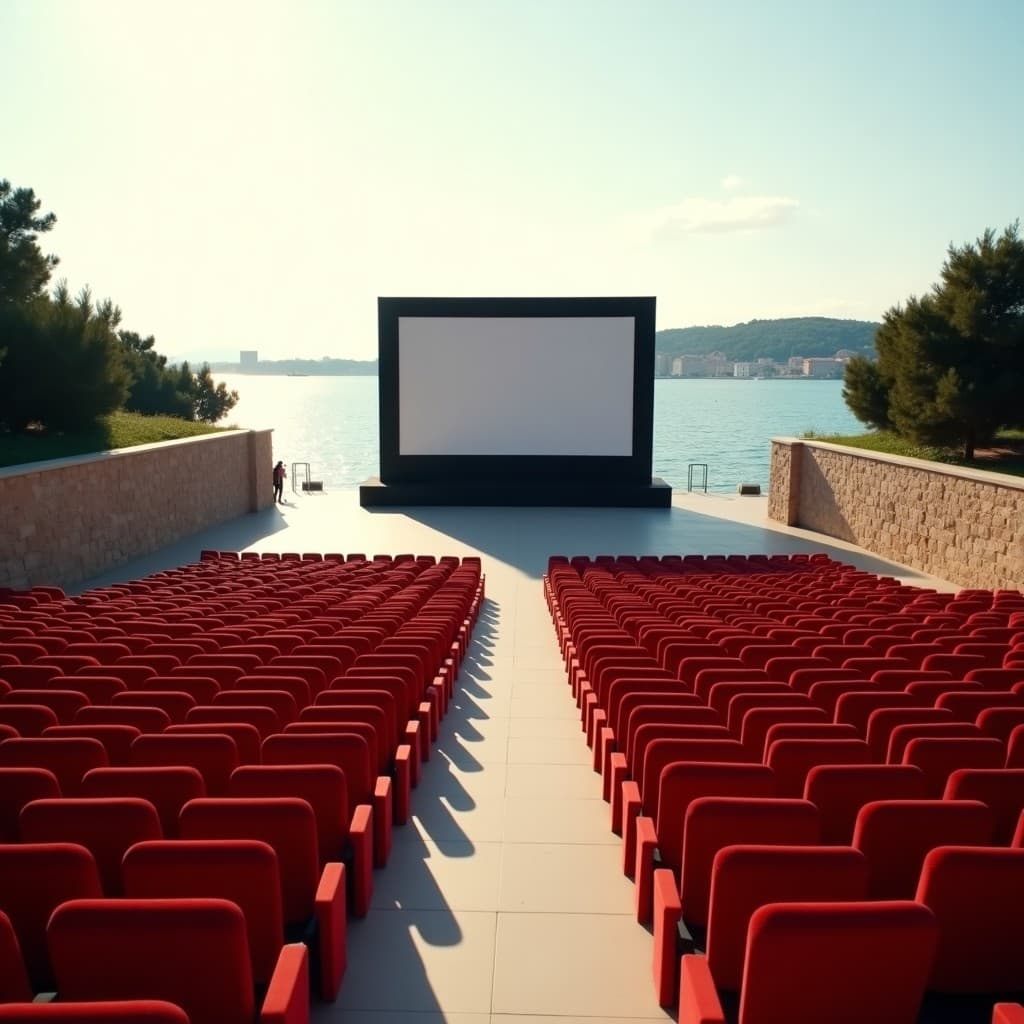
The Venice Film Festival announced its 2026 competition jury on Monday, assembling a panel that spans three continents and reflects the festival's positioning as a forum for global cinema. Maggie Gyllenhaal, the American actor, will serve as jury president, while Johnnie To—a Hong Kong filmmaker known for crime thrillers and genre innovation—joins as a voting member alongside Kaouther Ben Hania, whose Tunisian films have won recognition at international festivals, and Shahrbanoo Sadat, an Afghan director whose work has screened at major venues.
Variety reported the jury composition on Monday, noting the panel represents a deliberate breadth of filmmaking traditions and geographies. The festival, held annually in September at the Lido in Venice, draws international submissions and attracts critics, distributors and industry figures who use the event to gauge emerging cinema and establish market positions for the year ahead. The jury's role is to award the Golden Lion, the festival's top prize, along with silver and bronze lions and special recognitions.
The selection reflects a pattern in European festival programming over recent years: the movement toward juries that represent non-Western and female-centered filmmaking perspectives. Gyllenhaal's appointment as president signals the festival's investment in American celebrity draw alongside artistic credibility; To's inclusion underscores the festival's historical relationship with Hong Kong cinema, which has long occupied a prestige position in European critical discourse. Ben Hania and Sadat's presence acknowledges the festival's engagement with North African and Middle Eastern film cultures, regions that have gained prominence in international festival circuits as geopolitical attention and streaming platforms have shifted distribution patterns.
The announcement comes as Venice prepares for its 83rd edition, scheduled for late August and early September. The festival remains one of Europe's three major film competitions—alongside Berlin and Cannes—and competes with them for world premieres, press attention and award-season positioning. For Italian cinema, the festival serves as a domestic platform; Italian directors regularly premiere work there, and the event anchors Venice's summer cultural calendar, drawing tourists and industry professionals to the lagoon city.
The jury's international composition matters to how foreign critics and programmers perceive Italian cinema's place in global cinema hierarchies. A jury weighted toward non-Western perspectives and female filmmakers signals to international audiences that the festival values diverse aesthetic traditions and storytelling approaches—a message that shapes which Italian films gain traction abroad and how Italian cinema is contextualised in international reviews and festival programmes. The presence of To, a filmmaker whose genre work has influenced global cinema, suggests the jury may favour formally inventive or stylistically ambitious entries, a preference that can elevate Italian experimental or genre-inflected work that might otherwise struggle for recognition in more conservatively curated festivals.