
VENETO
Europe's heatwave reaches Venice as lagoon city braces for peak-season stress
Red alert temperatures test tourism infrastructure; day-tripper fee debate gains urgency amid climate strain on heritage site.
Tommaso Veronese406 wordsEdition №23Monday, 22 June 2026 — Edition № 23
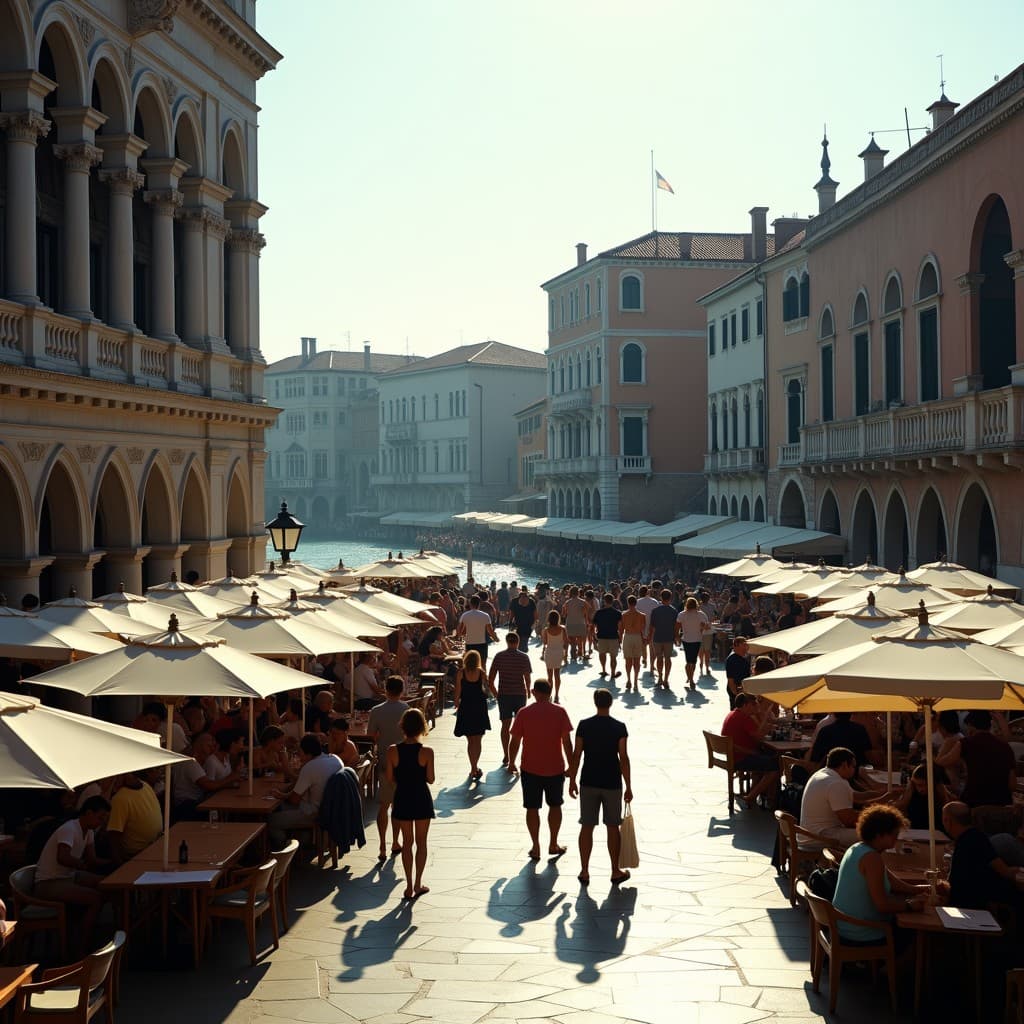
Much of Western Europe entered a severe heatwave on Friday, with temperatures expected to reach 40°C or higher across the continent, according to France 24 and Reuters. The heat wave prompted emergency meetings in France, nationwide warnings in Germany, and acute strain on Italian tourist destinations. Venice, already managing record day-tripper numbers during peak summer season, now faces the dual challenge of extreme heat and concentrated visitor flows during one of its most pressured periods.
The timing coincides with renewed debate over Venice's entrance fee for day-trippers. According to the Guardian, the city's new mayor, Simone Venturini, has proposed raising the controversial day-tripper levy to as much as €50, citing the need to discourage arrivals during "periods of heightened tourist pressure." The proposal, made just days before the heatwave intensified, underscores how climate stress and overtourism have become intertwined pressures on the lagoon city's infrastructure and resident population.
Venice's vulnerability to heat stress differs from mainland cities. The lagoon's water temperature, humidity levels and limited air circulation create a distinct microclimate that amplifies heat effects on both residents and visitors. Foreign correspondents covering the heatwave have noted that Mediterranean and Adriatic tourism destinations face particular strain during peak heat events—crowded public spaces, water-transport congestion, and strained utilities. For Venice, where the built environment is entirely dependent on water-based circulation and where summer congestion already limits movement through narrow streets and piazzas, extreme heat compounds existing capacity problems.
The Guardian's reporting on Mayor Venturini's fee proposal frames it as a tool to manage visitor flows during peak periods, but the heatwave adds a new dimension to the discussion. If temperatures routinely approach 40°C during summer months, the question shifts from whether Venice should discourage day-trippers to whether the city can safely accommodate them at current volumes, regardless of the fee. Reuters' coverage of European heat stress noted that tourism infrastructure in popular destinations is increasingly strained by simultaneous peaks in visitor arrival and extreme weather.
The lagoon city's longer-term challenge involves the intersection of three forces: rising sea levels and subsidence (managed partly through the MOSE flood-barrier system), intensifying summer heat, and mass tourism concentrated in a small, fragile urban space. The current heatwave offers a real-time test of how Venice's infrastructure—water transport, waste management, cooling facilities—performs under simultaneous pressure. Foreign observers watching the city navigate this summer may begin to ask whether the fee increase, or even stricter visitor caps, addresses the underlying problem of whether Venice can remain a viable residence and functioning city while serving as a global tourist attraction.