
VENETO
Venice's mayor pushes day-tripper fee toward €50
Simone Venturini seeks to raise controversial entrance charge as lagoon city grapples with overtourism
Tommaso Veronese458 wordsEdition №25Wednesday, 24 June 2026 — Edition № 25
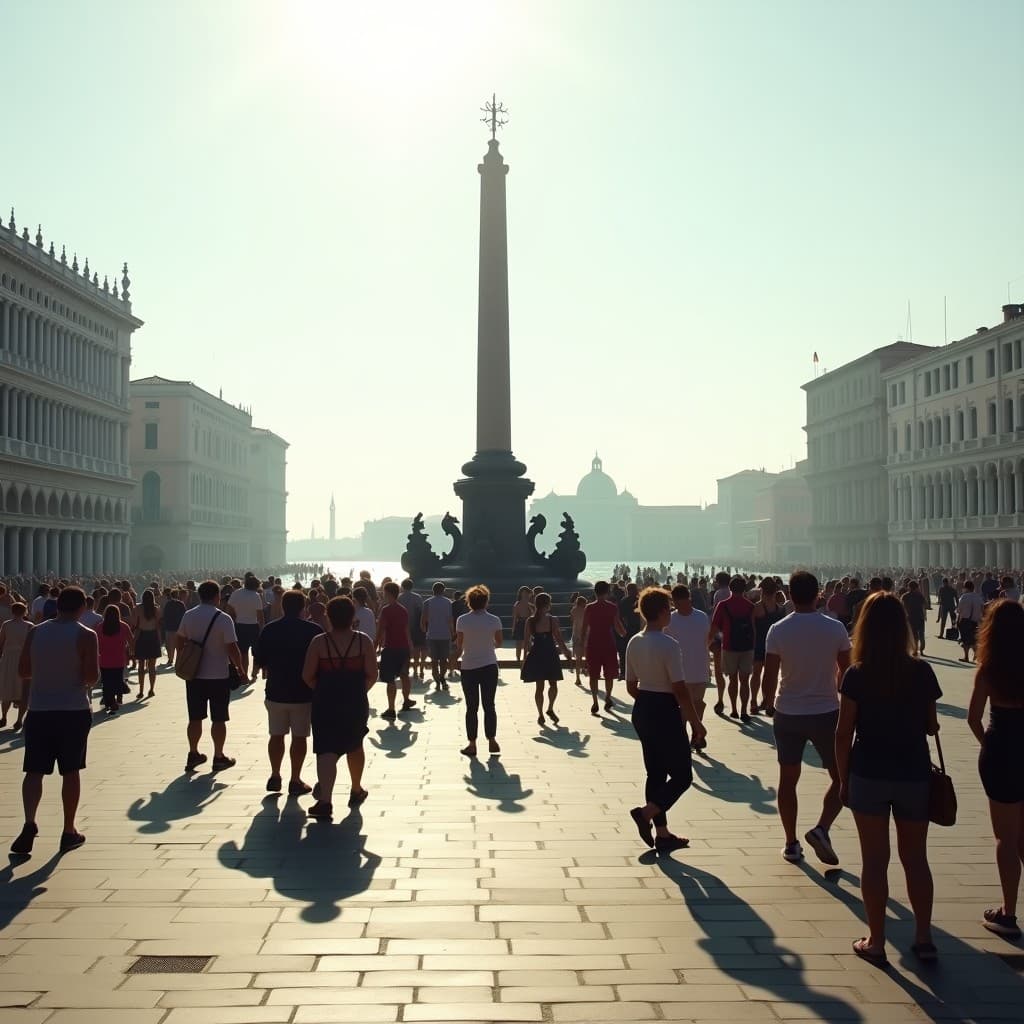
Venice's new mayor, Simone Venturini, a rightwing former tourism councillor elected in late May, has signalled his intention to raise the city's entrance fee for day-trippers to as much as €50, according to the Guardian. The proposal, Venturini told the newspaper, is aimed at discouraging arrivals during what he calls "periods of heightened tourist pressure"—a euphemism for the summer months when the lagoon city receives tens of thousands of visitors daily.
The fee, which the city introduced in April 2022 as a pilot scheme, has become a flashpoint in the debate over Venice's survival as a functioning city rather than a museum. Day-trippers—visitors who arrive by train, coach or car and leave the same day—account for the overwhelming majority of the city's annual tourist arrivals. The current charge, which varies by season, has never exceeded €10 in peak periods. Raising it tenfold would represent a dramatic escalation in the city's strategy to manage visitor flows.
Venturini's proposal reflects the deepening crisis facing Venice's resident population, which has collapsed from roughly 175,000 in 1951 to fewer than 260,000 today—and continues to fall. The Guardian's Rome correspondent has noted that Venice's transformation into a day-tripper destination has hollowed out the city's neighbourhoods, closed schools and shops, and left behind a skeleton crew of residents who live amid the infrastructure of tourism rather than community. The fee, in this reading, is both a revenue tool and a rationing mechanism: price out the casual visitor, preserve the city for those who stay overnight and spend money in local restaurants and guesthouses rather than rushing through the Piazza San Marco with a selfie stick.
The scale of the challenge is reflected in the numbers. Reuters reported in 2024 that Venice receives roughly 3 million visitors annually, of which the vast majority are day-trippers. The city's carrying capacity—the number of people it can accommodate without degrading the lagoon environment or the experience of residents—is hotly contested. UNESCO, which has monitored Venice's inscription on the World Heritage List with growing alarm, has warned that the city's survival depends on reversing the trend toward day-trip tourism and rebuilding a resident population. Venturini's fee proposal aligns with that logic, though whether €50 will prove sufficient to deter the casual visitor remains uncertain.
The proposal also reflects a shift in how Venice's administration frames the problem. Rather than celebrating tourism as an economic engine—the line taken by previous administrations—Venturini is repositioning the fee as a tool of urban conservation. This rhetorical move carries weight in a city where the tension between tourism revenue and resident survival has become irreconcilable. The fee, if implemented at €50, would rank among the highest entrance charges for any European city and would signal that Venice regards itself less as a destination than as a protected site requiring active visitor management. What remains unclear is whether the Italian government, which has jurisdiction over such matters, will approve the increase, or whether day-trippers will simply absorb the cost as the price of the experience.