
CAMPANIA
Vesuvius glimpsed from space as astronaut captures volcano from ISS
French astronaut Sophie Adenot photographs Mount Vesuvius and Etna from the International Space Station, reviving iconic Earth-from-space imagery.
Rosaria Esposito312 wordsEdition №13Friday, 12 June 2026 — Edition № 13
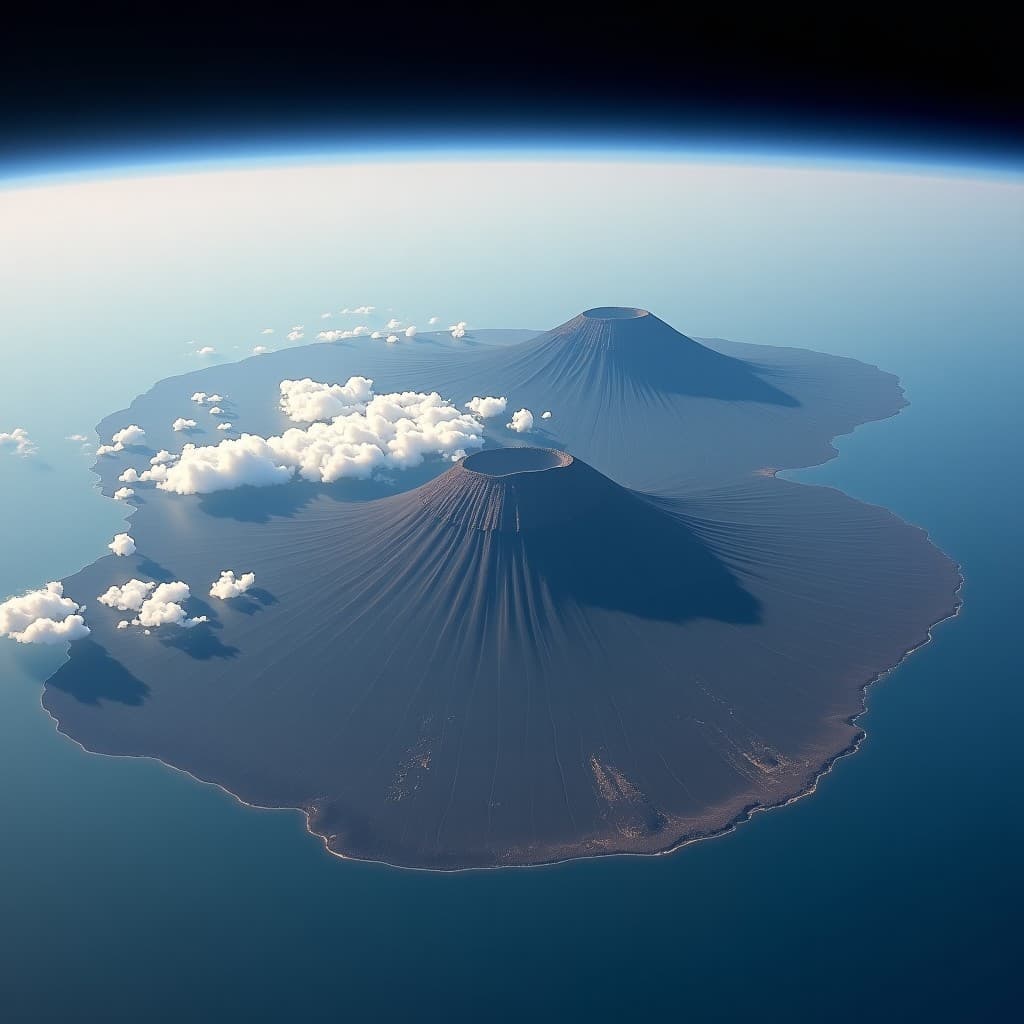
Sophie Adenot, a European Space Agency astronaut currently aboard the International Space Station as part of SpaceX's Crew-12 mission, has photographed Mount Vesuvius and Mount Etna from orbit. According to Space.com, the image captures both volcanoes in a single frame, echoing the iconic 'blue marble' photograph taken during the Apollo 17 mission in 1972. The photograph was released this week as NASA's space photo of the day.
For Campania, the image offers a rare perspective on Vesuvius—the 1,281-metre volcano that looms over Naples and remains one of Europe's most active geological features. The volcano last erupted in 1944, killing dozens of people, and continues to be monitored closely by seismologists. Vesuvius dominates the region's geography, culture and hazard landscape; its visibility from the International Space Station underscores both its physical prominence and its place in global scientific attention.
The photograph is the latest in a series of Earth-observation images from the ISS that highlight Italy's natural landmarks. According to Yahoo News, the image is reminiscent of earlier space-age documentation of the planet's surface, combining scientific documentation with the aesthetic power of viewing familiar terrain from an unfamiliar vantage point. The volcanoes' visibility from orbit reflects their scale: Vesuvius rises dramatically from the Bay of Naples, while Etna in Sicily is Europe's tallest active volcano.
The image arrives as international attention to Vesuvius remains steady in the scientific and cultural press. The volcano's threat to the densely populated regions around Naples—home to roughly 3 million people in the metropolitan area—makes it a recurring subject in volcanology research and disaster-preparedness reporting. Campania's relationship with Vesuvius is one of coexistence: the fertile volcanic soil has sustained agriculture for centuries, while the volcano itself remains a constant, if distant, hazard. Photographs from space, by rendering the volcano visible and tangible to a global audience, reinforce its status as a natural monument of international significance.