
MARCHE
Warp knitting reshapes athletic shoe design; Marche watches global shift
Performance technology accelerates footwear innovation as manufacturers pursue sustainability and speed to market.
Elena Marcheggiani398 wordsEdition №29Sunday, 28 June 2026 — Edition № 29
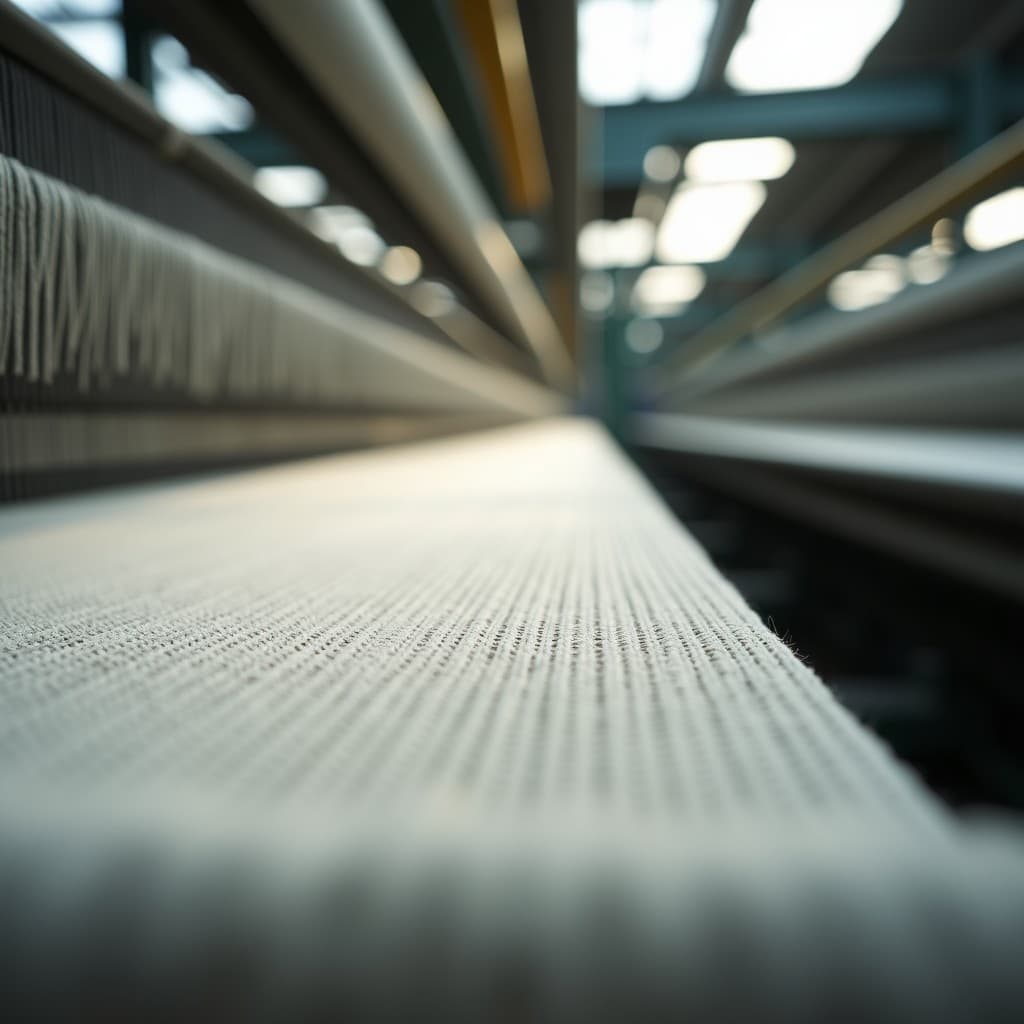
Warp knitting is accelerating footwear innovation through performance, sustainability and faster product development, according to Knitting Industry reporting on remarks made at the opening of the Karl Mayer Textile Innovation Center in Obertshausen. The technology, which integrates yarn formation with fabric construction in a single step, reduces waste and shortens the path from design to finished shoe—advantages that New Balance and other major manufacturers are beginning to exploit.
For Marche, Italy's shoe capital, the shift toward warp-knitted uppers represents a structural challenge and opportunity. The region's footwear district, built on traditional cutting, stitching and assembly methods, has already begun experimenting with knitted construction; the foreign press coverage suggests that manufacturers who master the transition will gain competitive advantage in speed and sustainability—two metrics that increasingly drive procurement decisions among global athletic brands.
The technology's appeal lies partly in sustainability: warp knitting generates less scrap than traditional cut-and-sew methods, a factor that matters to brands facing pressure from retailers and consumers on environmental footprint. It also compresses time-to-market, allowing manufacturers to respond faster to trend shifts. For a region like Marche, where family firms and small clusters have traditionally competed through craft quality and design sensitivity rather than production speed, the technology offers a path to retain margin while meeting the velocity demands of contemporary supply chains.
The Karl Mayer announcement signals that warp knitting is moving from niche experimentation into mainstream footwear production. Knitting Industry reported that the innovation center's opening was attended by major athletic brands seeking to understand how the technology integrates with their existing design and manufacturing workflows. The implication is clear: manufacturers who do not adopt or partner with warp-knitting expertise risk losing contracts to those who do.
Marche's response has been pragmatic. La Veduta reported in recent weeks on how the region's shoe makers are exploring knitted uppers alongside traditional methods, treating the technology as an addition to their toolkit rather than a replacement. That approach reflects the district's strength: its ability to combine different production methods and materials in service of design. A warp-knitted upper paired with a traditionally lasted and lasted sole, for instance, allows for hybrid products that preserve craft identity while reducing waste and lead time.
The broader implication for central Italy's manufacturing is that technological adoption will not erase the district model; it will reshape it. The firms that thrive will be those that integrate new methods into existing networks of suppliers, toolmakers and design expertise. For Marche, the challenge is ensuring that young workers and entrepreneurs see the district as a place where innovation happens, not just where traditional methods persist.