
UMBRIA
World Heritage status brings tourism strain; inland Italy weighs the cost
As some UNESCO sites globally fight for delisting, Umbrian hill towns confront the tension between preservation, visitor pressure, and local life
Niccolò Mariani285 wordsEdition №16Monday, 15 June 2026 — Edition № 16
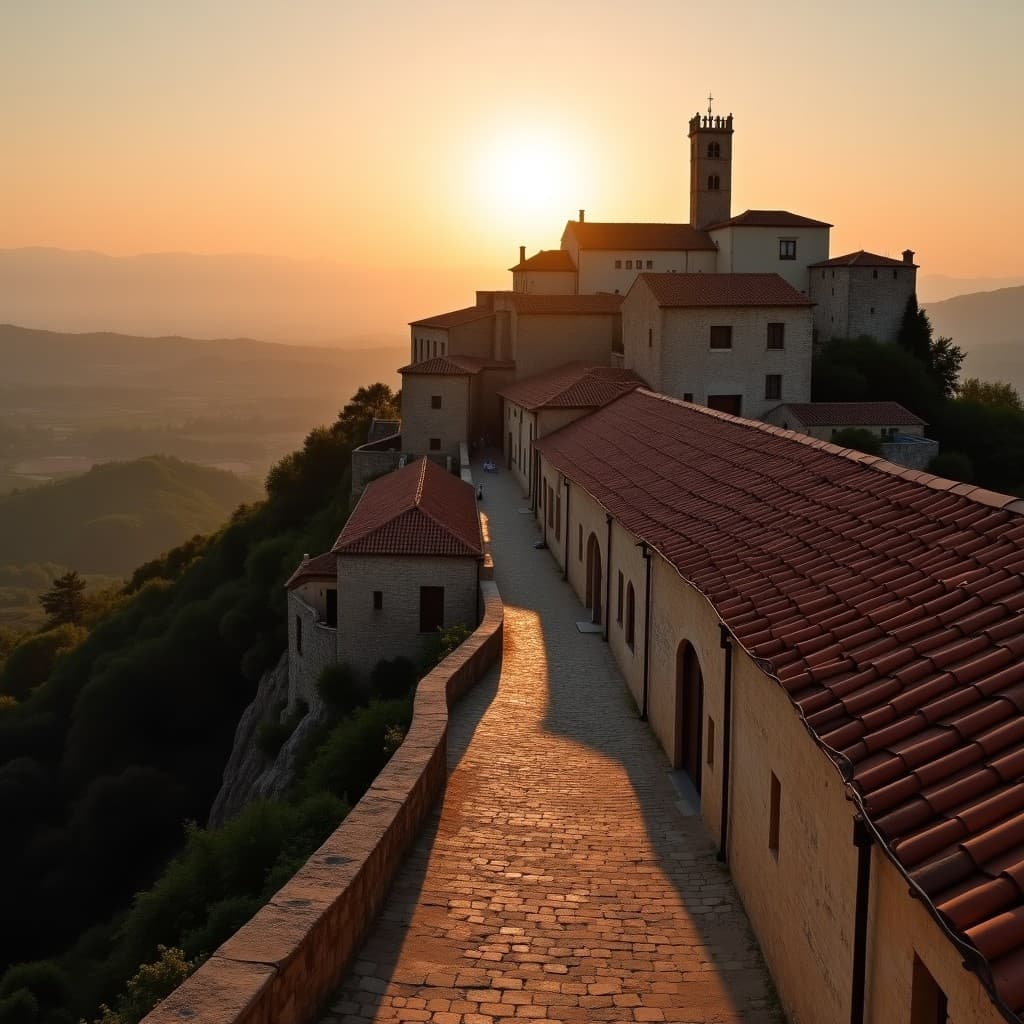
The BBC reported that certain UNESCO World Heritage sites are actively seeking delisting, arguing that the designation has created more problems than benefits for local communities. The pattern—tourism pressure outweighing cultural preservation, visitor numbers overwhelming infrastructure, and the erosion of everyday life under the weight of international attention—reflects a broader global reckoning with how heritage protection functions in practice.
Umbria is home to Assisi's Franciscan Basilica, a UNESCO World Heritage site since 2000, and numerous hill towns that draw visitors year-round. The region's small medieval centres face mounting pressure from seasonal tourism that strains local infrastructure and communities. Assisi, in particular, draws significant numbers of pilgrims and tourists annually to its Basilica and Franciscan sites.
The BBC's reporting on global sites seeking delisting suggests that the tension between heritage preservation and tourism management is not unique to Umbria but part of a worldwide pattern now forcing reconsideration of how UNESCO protection functions.
The BBC article notes that some communities argue the UNESCO listing has created more issues than benefits, a sentiment that may resonate with smaller heritage towns. Unlike major urban centres such as Rome or Florence, which possess infrastructure and institutional capacity to absorb mass tourism, Umbria's smaller towns face distinctive challenges in managing visitor flows.
The BBC's reporting on global sites seeking delisting suggests that the paradox of heritage designation—as a driver of economic activity that can simultaneously create pressures on communities—is part of a worldwide pattern now forcing reconsideration of how UNESCO protection actually functions.
The question of how heritage status serves residents versus the international tourism industry remains a broader concern reflected in the BBC's framing that some communities view delisting as preferable to the costs of preservation and visitor management.