
VALLE D'AOSTA
Ancient yeast from Ötzi reveals Alpine microbial life
Scientists extract microbes from 5,300-year-old mummy on the Italy-Austria border, baking sourdough from prehistoric cultures.
Camille Bréan347 wordsEdition №36Sunday, 5 July 2026 — Edition № 36
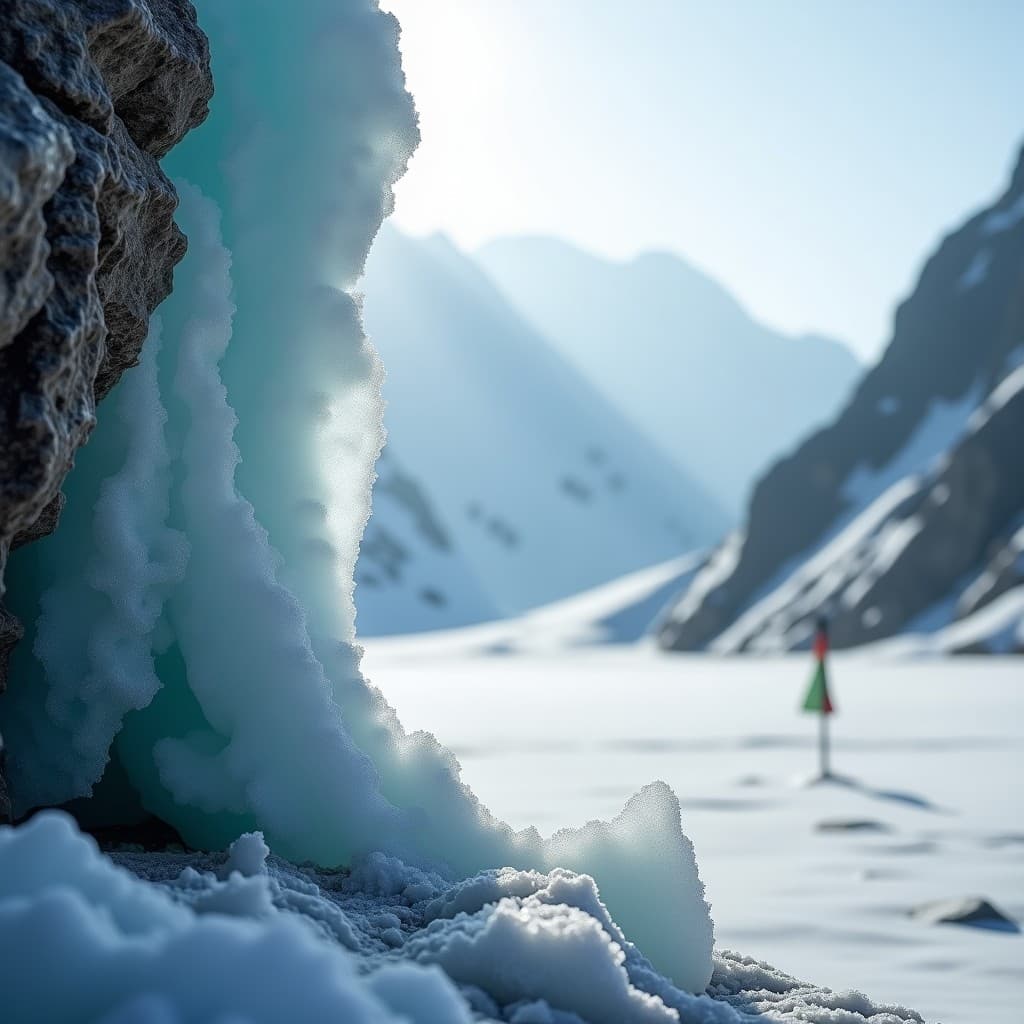
Scientists have extracted yeast from the digestive tract of Ötzi the Iceman, the 5,300-year-old mummy found in the Alps on the border between Italy and Austria, according to reporting by Phys.org. The discovery marks the first recovery of living microbes from the ancient human remains, offering researchers an unprecedented window into the microbial ecology of the high mountain environment millennia ago. The yeast has survived intact in the frozen conditions of the Alpine peaks for more than five thousand years.
The research team used the recovered microbes to produce a functioning sourdough bread, demonstrating the viability of the ancient culture. Ötzi was killed by an arrow wound while traversing the mountains before the Egyptian pyramids were constructed. The find underscores how the extreme cold and altitude of the Alps have preserved organic material that would decompose elsewhere, creating a natural archive of prehistoric life.
The isolation of living yeast from Ötzi's remains is significant for Alpine archaeology and microbiology. The high-altitude, frozen environment of the discovery site—roughly 3,200 meters above sea level on the Similaun glacier—has maintained anaerobic conditions that prevent bacterial and fungal decay. This preservation mechanism has allowed researchers to recover genetic material and living organisms from the Iceman that would typically vanish within decades in lowland contexts.
For Valle d'Aosta, the finding reinforces the region's role as a natural laboratory for Alpine science. The valley's glacial systems, permafrost zones and extreme elevation create similar preservation conditions to those that protected Ötzi. As international climate research increasingly focuses on how warming threatens Alpine microbial archives—including frozen organic matter that may harbor pathogens or historical genetic records—the Iceman study demonstrates both the scientific value and fragility of the high mountain environment. The discovery also highlights how cross-border Alpine research, conducted across the Italy-Austria frontier, continues to yield insights into prehistoric human settlement and survival in Europe's most demanding terrain.