
LOMBARDIA
Zegna stages Los Angeles runway show as Italian luxury chases US growth
Milan menswear house joins Dior and Gucci in seeking American market expansion amid sector-wide slowdown
Beatrice Comolli1,389 wordsEdition №5Friday, 5 June 2026 — Edition № 5
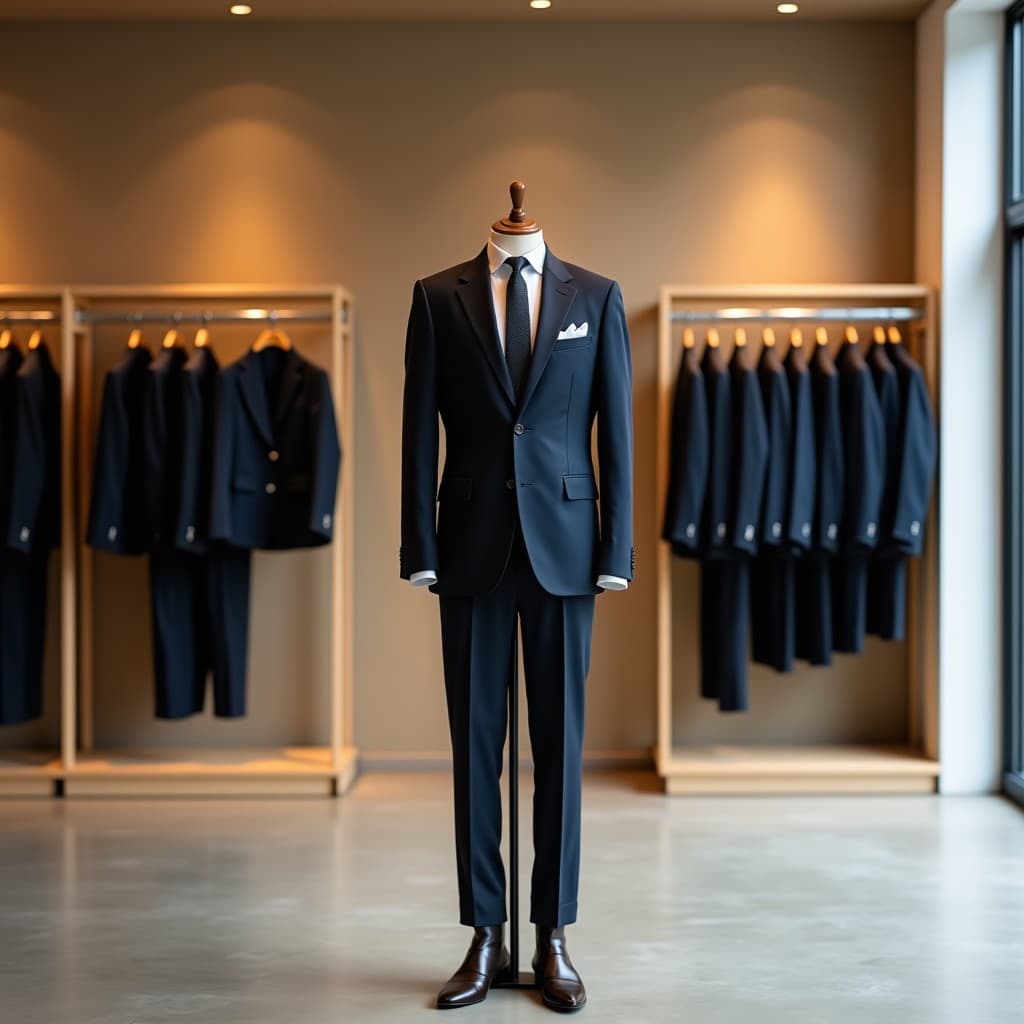
Ermenegildo Zegna, the Italian menswear label, will stage a major runway show in Los Angeles on Friday as it aims to extend its winning streak in the US market, according to the Business of Fashion. The move places Zegna alongside Dior, Gucci and Louis Vuitton in pursuing American growth at a moment when the global luxury sector faces a prolonged slowdown.
The Los Angeles show signals a strategic shift for the Bergamo-based house, which has historically anchored its presentations to Milan Fashion Week and the European calendar. The decision to stage a standalone US runway event reflects the gravity of the American market for luxury menswear and the relative weakness of European demand.
For Lombardia, Zegna's expansion represents both opportunity and risk. The region is home to Italy's luxury supply chain—tanneries, mills, component makers and artisanal workshops that feed the menswear and fashion sectors. A sustained rebound in US demand could support employment and investment across this ecosystem. However, the move also signals that Italian luxury houses are increasingly decoupling from the European market.
Zegna's Los Angeles presentation comes at a critical moment for Italian luxury. The global sector has contracted for three consecutive quarters, according to reports from Bloomberg and the Financial Times citing industry data. American consumers, however, have continued to spend on premium menswear, making the US market a relative bright spot. Zegna's decision to invest in a standalone runway event in Los Angeles reflects the company's assessment that the American opportunity outweighs the cost of bypassing the traditional Milan Fashion Week calendar.
The company, founded in 1910 and based in Trivero, Piedmont, has long been a pillar of Italian menswear. However, it is headquartered in the Lombardia region and maintains significant operations there, including design, marketing and distribution functions. The house is majority-owned by the Zegna family, which has resisted pressure to sell to larger luxury conglomerates, preserving operational independence.
Zegna's US strategy reflects broader shifts in luxury consumption. According to the Business of Fashion, American buyers have shown resilience in spending on premium menswear, particularly in categories like tailoring, outerwear and accessories. This contrasts sharply with European demand, where consumers have pulled back on discretionary spending amid high interest rates and inflation. The divergence has prompted luxury houses to rebalance their marketing and presentation calendars toward the US.
The Los Angeles show also signals Zegna's confidence in its product positioning. The house has built a reputation for technical innovation in menswear—advanced fabrics, sustainable materials and precision tailoring. These attributes appeal to affluent American buyers who value craftsmanship and heritage. Zegna's ability to command premium prices in the US market, where brand prestige carries greater weight than in Europe, makes the American expansion economically rational.
For Lombardia's luxury ecosystem, Zegna's pivot carries mixed implications. The region's tanneries, mills and component suppliers depend on steady orders from fashion houses. A sustained rebound in US demand for Zegna products would support employment and investment in these supply-chain businesses. However, the shift also reflects a broader hollowing of European demand, which could weaken the region's position as a global luxury manufacturing hub if the trend persists.
The timing of Zegna's Los Angeles show is also significant. It comes weeks after Gucci, another Kering-owned Italian house, staged a major presentation in New York, and as Dior and Louis Vuitton have similarly emphasised American market expansion. The pattern suggests that European luxury houses are treating the US market not as a secondary opportunity but as the primary driver of growth. This represents a structural shift from the 2010s, when European demand and the Asian market were the focus.
Zegna's financial performance in recent years has been opaque, as the company remains private. However, industry analysts cited by the Business of Fashion have noted that the house has maintained pricing power and brand prestige even as competitors have struggled. The Los Angeles show is an opportunity to reinforce that positioning with American retailers and consumers.
The broader context of Italian luxury weakness cannot be overlooked. According to reports from Reuters and Bloomberg, Italian luxury exports fell 8 per cent in the first quarter of 2026 compared to the same period in 2025. The decline reflects weak demand from Europe and Asia, as well as currency headwinds that have made Italian goods more expensive for foreign buyers. Zegna's American focus is partly a hedge against these headwinds.
For Milan's fashion and design ecosystem, Zegna's move also raises questions about the future of Milan Fashion Week itself. The event, held twice yearly, has historically been the global stage for Italian menswear. However, if major houses increasingly stage standalone shows in New York, Los Angeles or other cities, the Milan calendar could lose prestige and economic value. This would have ripple effects for the hotels, restaurants, logistics providers and media organisations that depend on Fashion Week activity.
Zegna's investment in the Los Angeles show also reflects the company's confidence in its own brand equity. Unlike some Italian luxury houses that have struggled to maintain relevance with younger consumers, Zegna has successfully positioned itself as a heritage brand with contemporary appeal. The house's emphasis on sustainability, technical innovation and artisanal craftsmanship resonates with affluent American buyers aged 35 to 55, a key demographic for premium menswear.
The show itself is expected to feature Zegna's spring-summer 2027 collection, with an emphasis on tailoring, outerwear and accessories. According to the Business of Fashion, the presentation will highlight the house's use of sustainable materials and technical fabrics, themes that have become central to luxury marketing in the US market. The event will also serve as a platform for Zegna to strengthen relationships with American retailers and press.
For Lombardia's fashion and design industries, Zegna's Los Angeles strategy offers a template for survival in a weakening European market. The region's other luxury houses—including Loro Piana, Brunello Cucinelli and smaller menswear specialists—are likely watching closely. If Zegna's American expansion proves successful, others may follow, further shifting the gravity of Italian luxury away from Milan and toward the United States.
The financial stakes are significant. Menswear represents roughly 40 per cent of Italian luxury exports, and Lombardia and Piedmont account for the majority of Italian menswear production. A sustained rebound in US demand could support thousands of jobs across the region's tanneries, mills, tailoring workshops and design studios. Conversely, if American demand weakens or if Italian houses lose market share to competitors, the regional economy could face significant pressure.